
Posts by Dentist Edmonton South
Why Are Your Teeth Shifting Even With Retainers
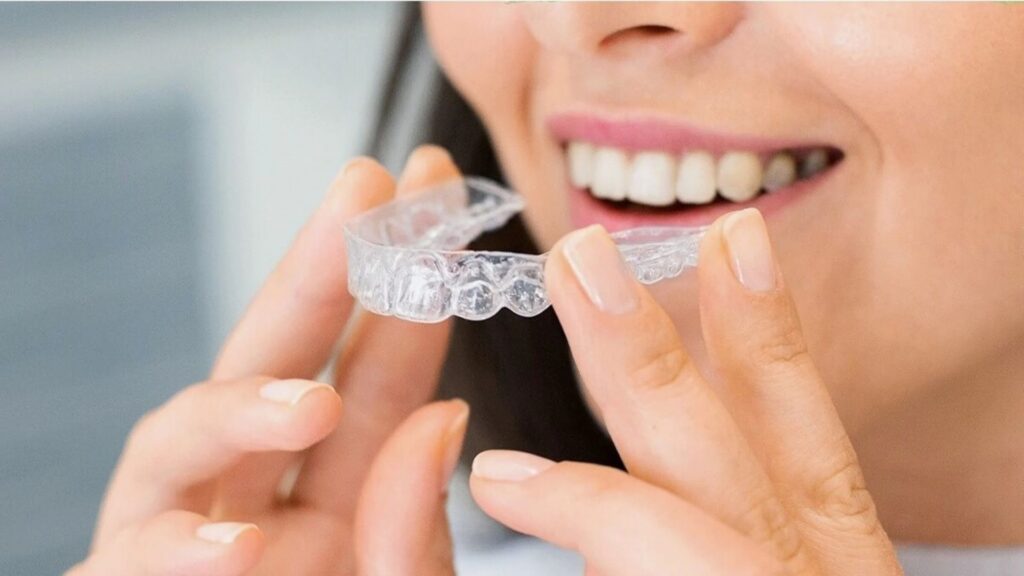
You did everything right. You wore your dental braces or clear aligners, finished treatment, got your retainer, and now you are noticing your teeth are not quite where they used to be. It is frustrating, and honestly, it is more common than most people realize. The truth is, wearing a retainer does not always mean…
Read MoreAcid Reflux and Tooth Erosion: How They’re Connected

Most people associate tooth damage with sugary drinks, poor brushing habits, or skipping dental appointments. But there is another culprit that rarely gets mentioned in the same conversation: your own stomach acid. If you experience frequent heartburn, acid reflux, or have been diagnosed with gastroesophageal reflux disease (GERD), your teeth may already be paying the…
Read MoreWhat Causes Supernumerary Teeth To Form?
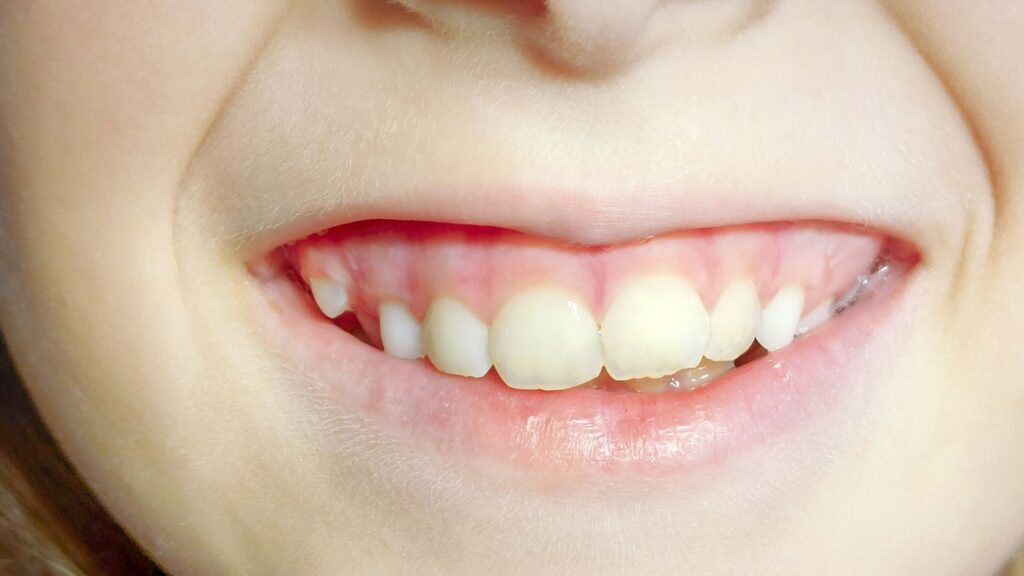
Most people are born expecting two sets of teeth. First come the deciduous teeth – the baby teeth that fall out in childhood. Then the permanent teeth push through, and that is supposed to be that. But for some people, the story does not end there. A small percentage of the population grows extra teeth.…
Read MoreIs Mouth Taping Safe for Sleep Apnea?

You have probably seen it on social media. An influencer tapes their mouth shut before bed, credits it for better sleep, clearer skin, and more energy, and suddenly everyone is curious. But if you or someone you love deals with sleep apnea, the question is not just about trends. It is about safety. So let…
Read MoreRoot Planing vs Scaling: Which One Treats Gum Disease Better
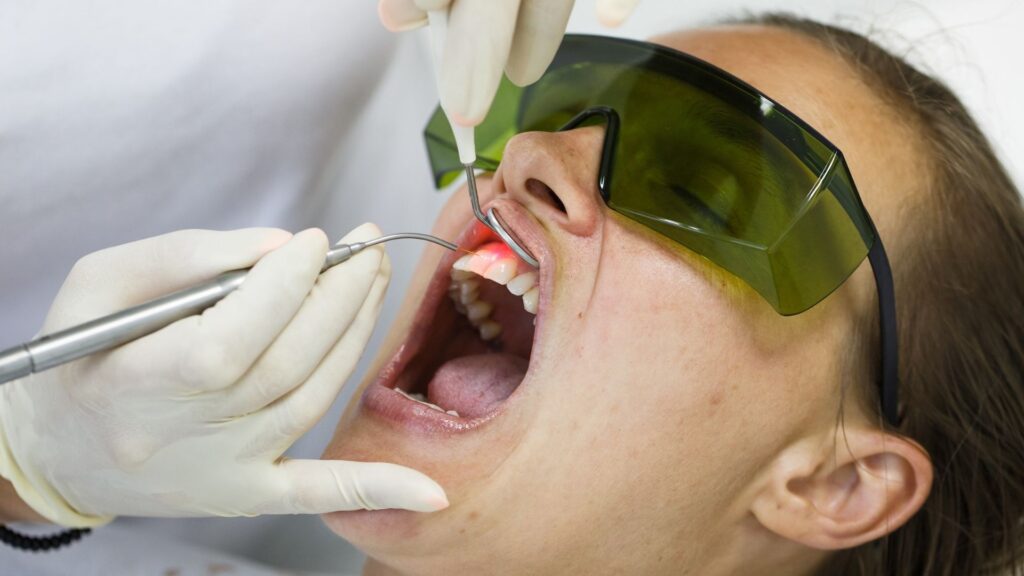
If your dentist has mentioned scaling and root planing, you might be wondering whether these are the same thing or two completely different procedures. It is a fair question, and the answer matters more than most people realize. Both treatments target the same enemy: the buildup of dental plaque and calculus (dental tartar) that hides…
Read MoreSilver Amalgam Vs Composite Resin: Which Filling Wins?
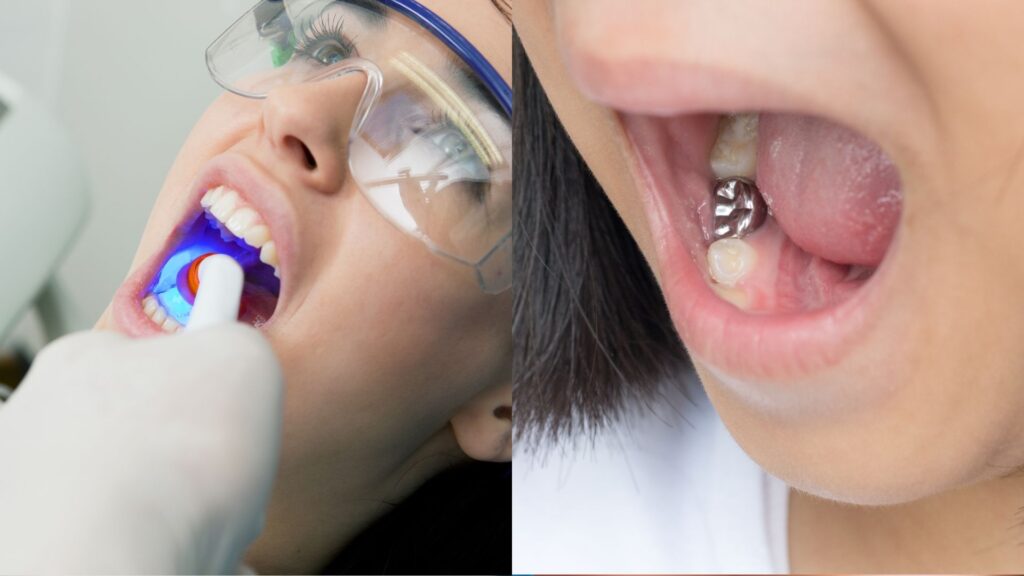
If you’ve ever had a cavity filled, chances are your dentist mentioned two options: silver amalgam or composite resin. And if you stared back with a blank expression, you’re not alone. Most patients leave the chair without fully understanding why one material was chosen over the other. The truth is, both are legitimate dental restoration…
Read MoreWhat Really Causes Enamel Hypoplasia in Kids’ Teeth
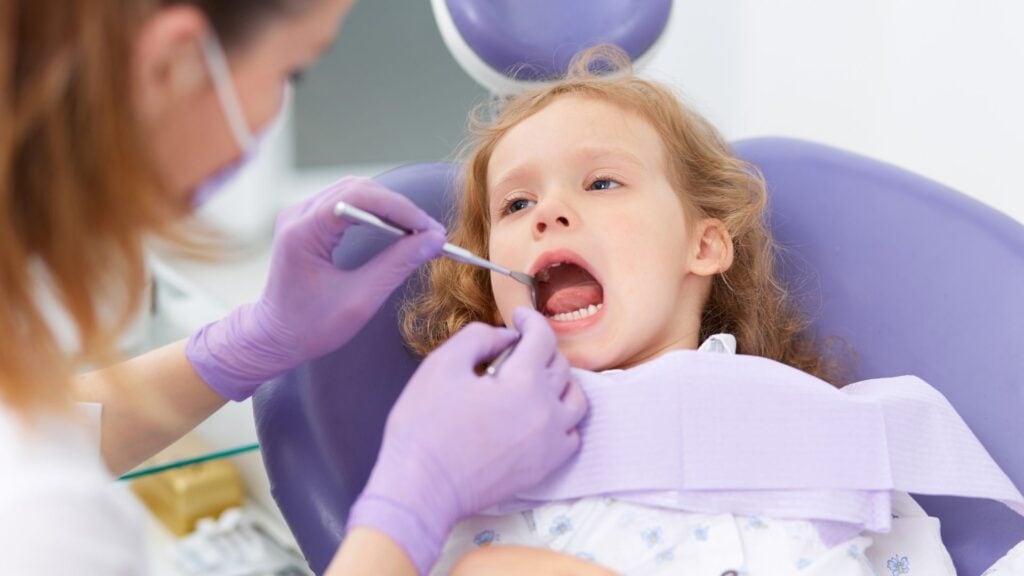
If your child’s dentist has mentioned something called enamel hypoplasia, you might be wondering what it actually means and where it came from. It sounds technical, but the core idea is straightforward: it means the tooth enamel did not develop properly, leaving the tooth surface thinner, weaker, or incomplete in certain spots. This condition can…
Read MoreYour Toddler’s Tooth Is Turning Grey: Here’s What That Signals
You glance at your toddler’s smile, and something catches your eye. One of their little front teeth – maybe an incisor – has taken on a grey or bluish tint. It wasn’t like that before. Now you’re somewhere between confused and quietly panicking, wondering what on earth is going on inside that tiny tooth. First,…
Read MoreAre Dental Emergencies Covered by Insurance in Canada? Here’s the Catch
So you cracked a tooth on a Friday night, your mouth is throbbing, and your first thought after the pain is: will my insurance actually pay for this? The short answer is yes, most Canadian dental plans do cover dental emergencies. But the longer answer involves a few important conditions that catch people off guard.…
Read MoreCraze Lines vs a Cracked Tooth: Know the Difference Before You Panic
You notice something while brushing your teeth – a thin line running across the surface of one of your front teeth. Your first thought might be the worst-case scenario, but before you spiral, it helps to understand what you are actually looking at. Not every line on a tooth means something is seriously wrong. Sometimes…
Read More