
Is Mouth Taping Safe for Sleep Apnea?
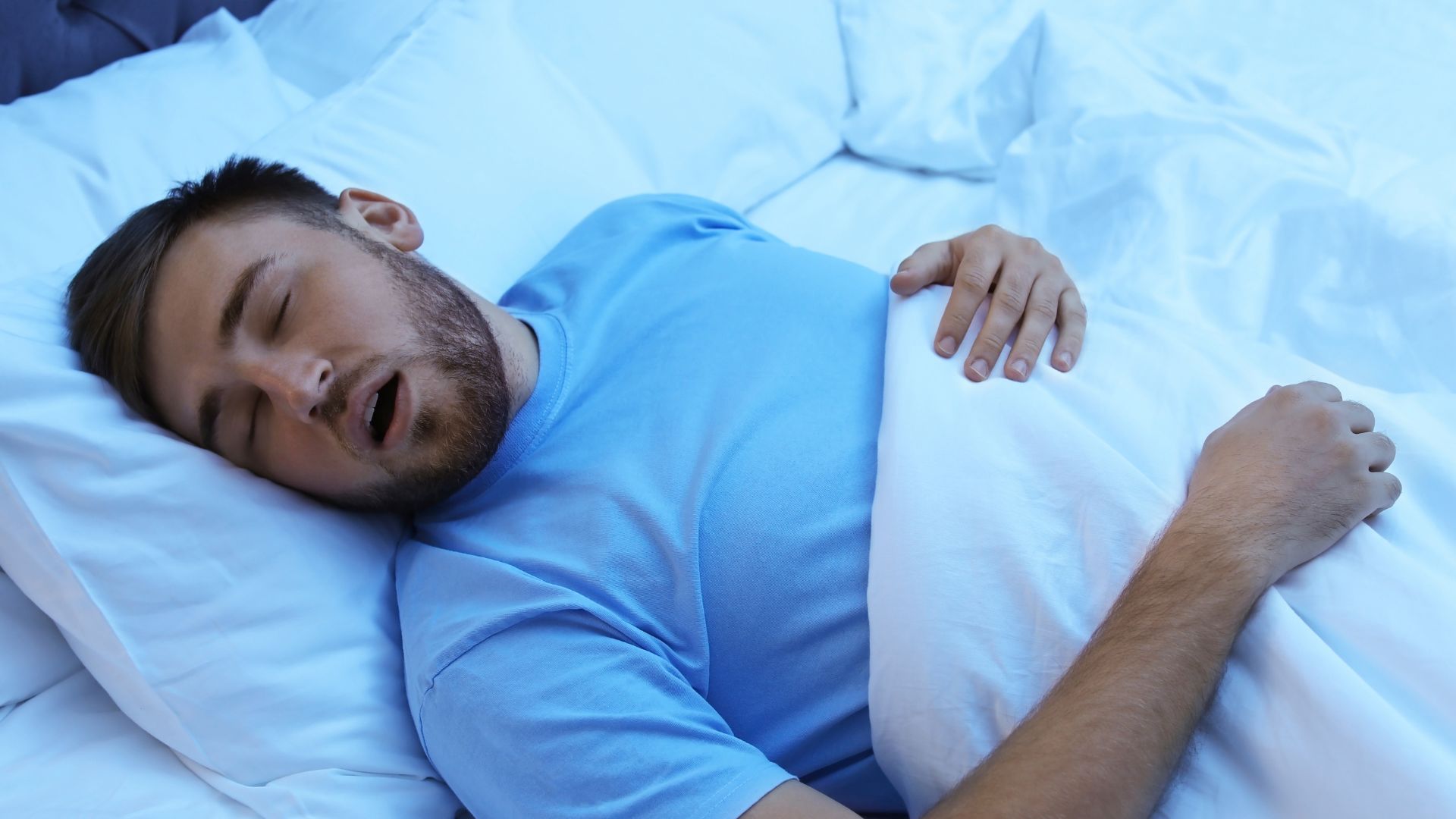
You have probably seen it on social media. An influencer tapes their mouth shut before bed, credits it for better sleep, clearer skin, and more energy, and suddenly everyone is curious. But if you or someone you love deals with sleep apnea, the question is not just about trends. It is about safety.
So let us get into the real answer, without the hype.
What Is Mouth Taping, and Why Are People Doing It?
Mouth taping involves placing a small piece of tape over the lips before sleep to encourage breathing through the nose instead of the mouth. The idea is that nasal breathing filters air more effectively, humidifies the respiratory tract, and supports better oxygen delivery overnight.
Supporters argue it reduces snoring, improves sleep hygiene, and helps with mouth breathing habits formed over years. And for people without underlying conditions, some of that might hold up. The problem is that sleep apnea changes the equation entirely.
The Risk Nobody Talks About
Obstructive sleep apnea happens when the throat and soft palate partially or fully block the airway during sleep. The body responds by waking itself up just enough to restore airflow. This cycle can repeat dozens of times per night, driving up the apnea-hypopnea index and leaving patients exhausted without understanding why.
When you tape your mouth shut, you remove the backup route for air. If nasal airflow is blocked due to an allergy, congestion, or a deviated septum, and the throat is also collapsing, the patient has no safe way to breathe. That is not a wellness hack. That is a hazard.
What the Research Actually Says
Studies on mouth taping are limited and mostly small in scale. Some research suggests it may mildly reduce snoring in people with primary snoring and no apnea diagnosis. However, for those with confirmed obstructive sleep apnea, the evidence does not support mouth taping as a treatment, and some findings suggest it could worsen breathing events overnight.
A proper sleep study, not a social media trend, is what establishes whether someone has apnea and how severe it is. Before experimenting with anything that affects airflow during sleep, that evaluation matters.
Who Should Absolutely Avoid Mouth Taping?
Mouth taping is not a one-size-fits-all solution, and it carries real risks for specific groups.
Anyone with a diagnosed or suspected case of sleep apnea should avoid it without direct guidance from a health professional. The same goes for people who experience shortness of breath, chronic nasal congestion from allergies, or signs and symptoms of upper airway obstruction.
Children should never have their mouths taped during sleep. People who use alcohol before bed should also avoid it, as alcohol relaxes the throat muscles further and worsens apnea episodes. And if you have sensitive skin or a history of lip or skin irritation, the adhesive itself can become its own problem.
Using something like duct tape, which some influencers have actually suggested, is particularly dangerous. It is not designed for skin contact, and removing it can cause irritation or injury.
What About Nasal Strips?
Nasal strips are a gentler option for encouraging nasal breathing. They sit across the bridge of the nose and gently widen the nasal passages. Unlike mouth taping, they do not block any airway route. For mild snoring or congestion-related mouth breathing, they are a far lower-risk starting point.
That said, nasal strips are not a treatment for sleep apnea either. They may improve comfort but do not address the underlying airway collapse that defines the condition.
What Actually Works for Sleep Apnea
Effective sleep apnea therapy has been researched extensively and continues to evolve. The most well-known option is CPAP therapy, which delivers continuous positive airway pressure to keep the airway open overnight. Many patients find it effective but struggle with comfort.
A mandibular advancement splint is another clinically recognized option. This is a custom oral device that repositions the mandible slightly forward during sleep, which helps keep the throat open and reduces apnea events. It is particularly useful for patients with mild to moderate obstructive sleep apnea or those who cannot tolerate CPAP.
This is where dental care intersects with sleep health. A dentist trained in sleep apnea treatment can evaluate the airway, assess jaw position, and fit a mandibular advancement splint properly. This approach is grounded in evidence and can be paired with good sleep hygiene, exercise, and, where necessary, medication or referral to an otorhinolaryngology specialist for further assessment.
A Note on Sleep Hygiene
Improving sleep does not have to start with tape. Sleep hygiene practices like maintaining a consistent sleep schedule, limiting alcohol before bed, keeping the sleep environment cool and dark, and sleeping on your side can all reduce snoring and improve breathing without any risk of blocking airflow.
These are not glamorous tips. But they work, and they are safe.
What to Do Instead of Mouth Taping for Sleep Apnea
Mouth taping might seem harmless, but for anyone with sleep apnea, it can be genuinely risky. The safer path is an accurate diagnosis followed by a proven treatment plan. If you are in Edmonton and dealing with snoring, disrupted sleep, or a suspected airway issue, reach out to Dr. Molly Rodgers Dental to learn more about sleep apnea and snoring treatment. You can also call the clinic directly at 780-463-8803 to schedule an evaluation.
