
Acid Reflux and Tooth Erosion: How They’re Connected
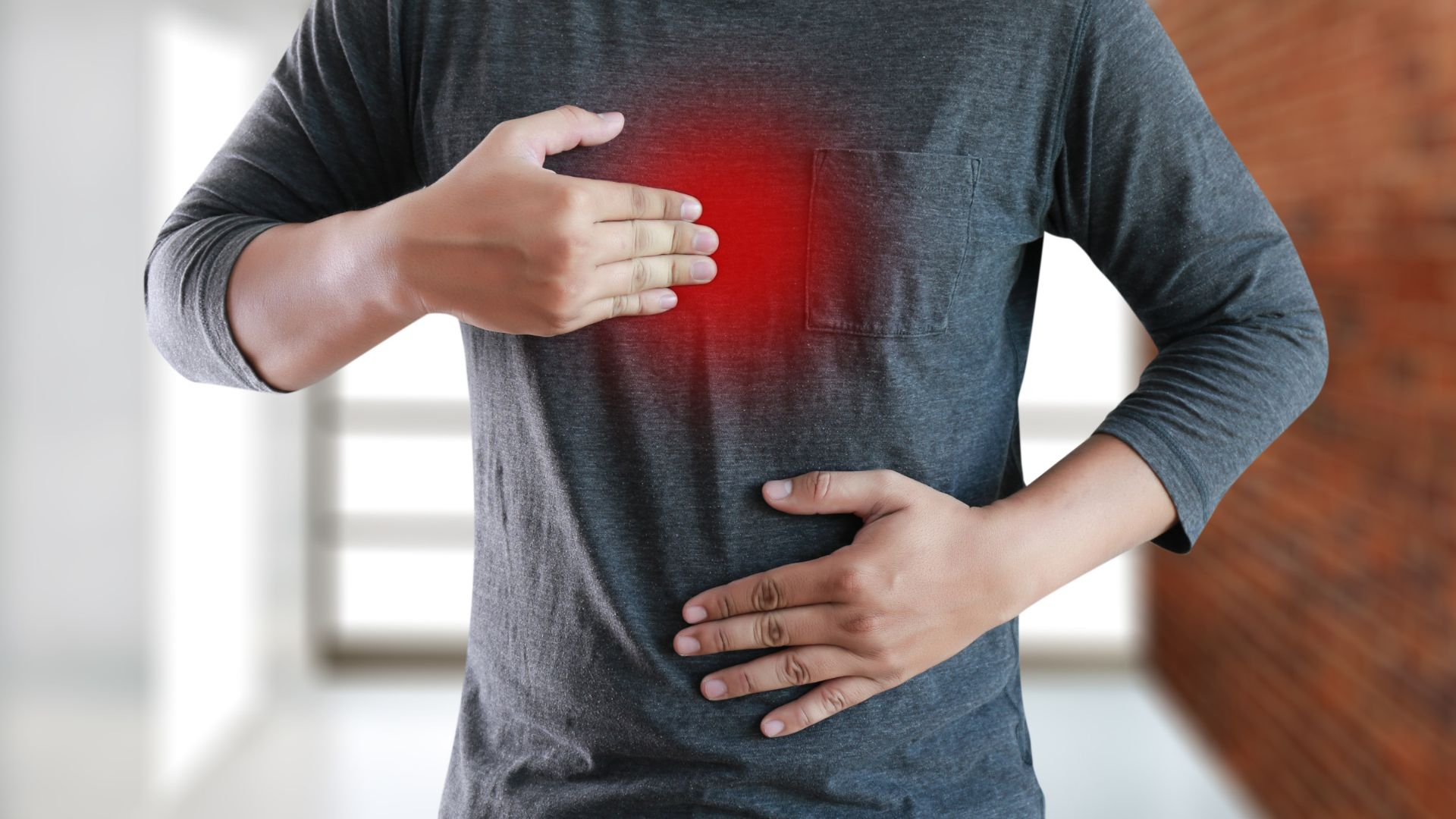
Most people associate tooth damage with sugary drinks, poor brushing habits, or skipping dental appointments. But there is another culprit that rarely gets mentioned in the same conversation: your own stomach acid. If you experience frequent heartburn, acid reflux, or have been diagnosed with gastroesophageal reflux disease (GERD), your teeth may already be paying the price – and you might not even know it yet.
What Stomach Acid Actually Does to Your Teeth
Your stomach produces gastric acid to break down food. Under normal circumstances, that acid stays where it belongs – in your stomach and esophagus. But when it travels upward into the mouth, it can come into direct contact with your tooth enamel, the hard outer layer that protects your teeth.
The problem is pH. Stomach acid has an extremely low pH, which means it is highly acidic. Tooth enamel begins to dissolve when exposed to substances with a pH below 5.5. Gastric acid sits well below that threshold. Over time, repeated exposure triggers demineralization, a process where minerals are stripped from the hard tissue of your teeth, leaving them weak, sensitive, and vulnerable.
This is what dental professionals refer to as dental erosion – and unlike tooth decay caused by bacteria, erosion is a direct chemical attack on your enamel with no bacterial involvement at all.
GERD, Acid Reflux, and Tooth Wear: Understanding the Connection
Gastroesophageal reflux disease is one of the most common digestive conditions in North America. Research published through the National Institutes of Health and referenced by the American Dental Association has highlighted the strong link between chronic acid reflux and accelerated tooth wear.
When stomach contents repeatedly wash over your permanent teeth, the enamel gradually thins. Physical forces such as grinding, also known as bruxism, cause dental attrition, whereas acid-related wear is called erosion. In many patients, both processes happen simultaneously, which compounds the damage significantly.
Who Is at Risk?
Acid reflux and tooth erosion can affect anyone, but certain risk factors increase your exposure:
- Frequent heartburn or confirmed GERD diagnosis
- Bulimia nervosa, where repeated vomiting exposes teeth to stomach acid regularly
- Xerostomia (dry mouth), since saliva plays a critical role in neutralizing acid and protecting enamel
- High intake of acidic foods and beverages
- Smoking, which can worsen reflux and reduce saliva production
- Bruxism (teeth grinding), which compounds erosion by adding physical wear on top of chemical damage
- Abdominal pain or discomfort that leads to frequent burping or regurgitation
The etiology of dental erosion is often multifactorial, which is why a thorough evaluation by your dentist matters so much.
Signs Your Teeth Are Being Eroded by Acid
Dental erosion does not always hurt right away. The signs and symptoms tend to build quietly before becoming obvious. Here is what to watch for:
Your teeth may start to look more yellow or translucent at the edges, especially along the incisor tips. This happens because the enamel has thinned enough to reveal the darker dentin underneath. You might also notice that your molars feel rounded or flattened on their chewing surfaces.
Increased tooth sensitivity is another early warning sign. If hot drinks, cold foods, or sweet substances cause a sharp reaction, that can signal enamel loss. In more advanced cases, you may notice visible cupping or concavities forming on the biting surfaces of your back teeth.
Unlike decay, erosion typically affects smooth surfaces and tends to spare the areas right next to the gumline – patterns a trained dentist can use to distinguish erosion from other types of tooth damage.
How Saliva Protects You – and When It Stops Being Enough
Saliva is your mouth’s natural defense system. It helps rinse away food particles, neutralizes acid, and delivers minerals back to your enamel in a process that counteracts demineralization. This is why xerostomia (dry mouth) is such a significant risk factor for erosion.
Certain medications, dehydration, and some medical conditions can all reduce saliva flow. When that protective barrier is compromised and acid reflux is also present, the risk to your teeth multiplies quickly. Lifestyle adjustments – like staying hydrated and avoiding tobacco – can help support healthy saliva production.
What Your Dentist Can Do About It
If your dentist spots signs of erosion during a routine checkup, they are not just going to hand you a pamphlet and send you home. The first step is identifying the source of the acid. That might mean referring you to a gastroenterology specialist if GERD or another esophageal condition is suspected.
On the dental side, treatment options vary depending on how much enamel has been lost. Fluoride applications can help strengthen remaining enamel and slow further demineralization. For more significant tooth wear, metal-free restorations can rebuild and protect damaged teeth without altering the appearance of your smile.
Using the right toothpaste also matters. The American Dental Association and the United States National Library of Medicine both note that highly abrasive toothpastes can worsen erosion, particularly when enamel is already softened by acid exposure. Your dentist can recommend options that are gentler and more protective.
The goal is always to stop the damage from progressing and restore what has already been lost – without making the experience stressful or overwhelming for the patient.
Protect Your Teeth From Acid Reflux Damage
Stomach acid and tooth erosion are more connected than most people realize, and the damage often starts long before any pain or visible changes appear. If you have been experiencing acid reflux, heartburn, or any of the signs mentioned above, it is worth having your teeth properly evaluated.
The team at Dr. Molly Rodgers Dental offers thorough restorative dental care designed to catch these issues early and help you protect your smile for the long haul. Call 780-463-8803 to schedule your evaluation today.
