
Why Are Your Teeth Shifting Even With Retainers
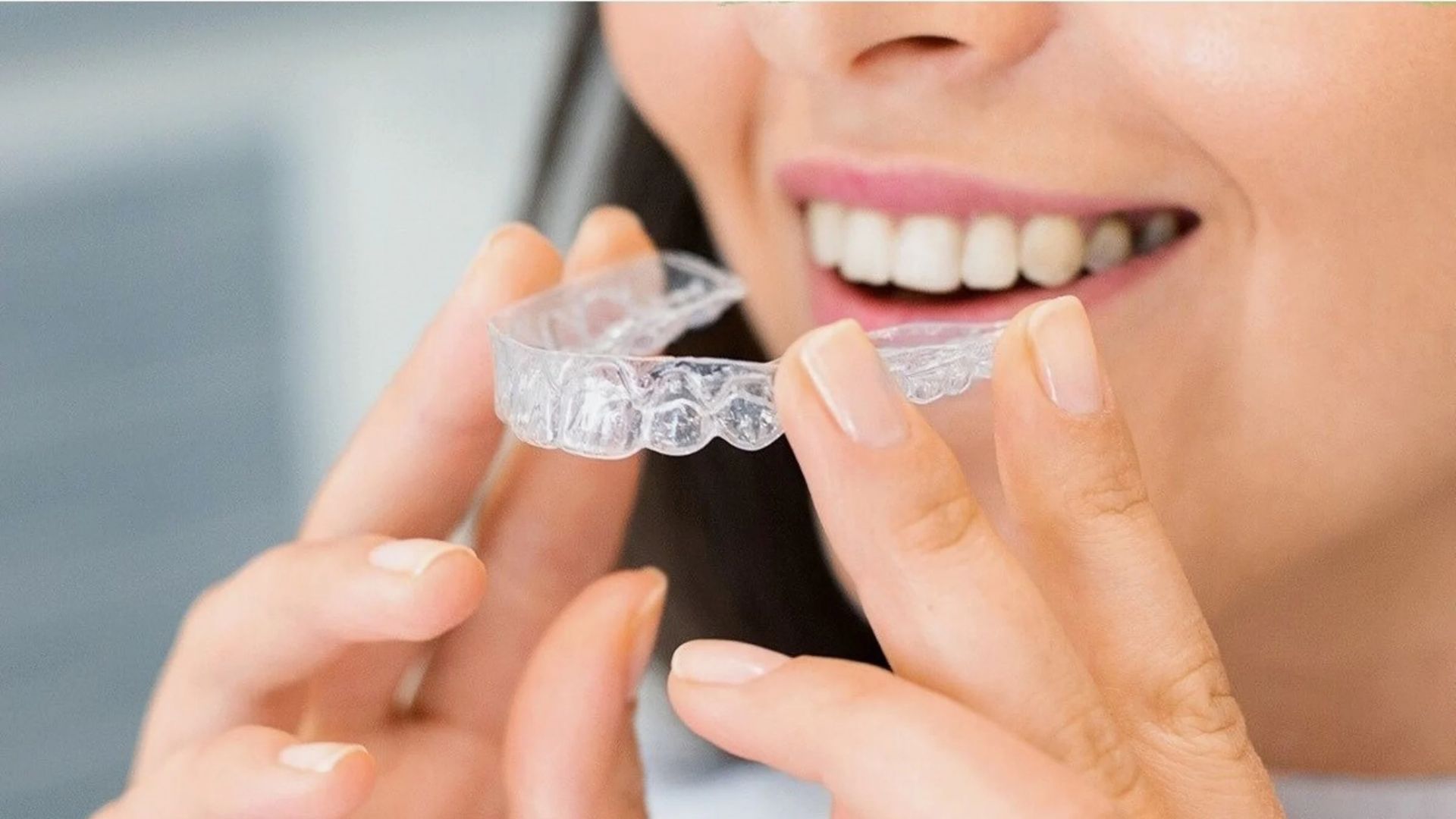
You did everything right. You wore your dental braces or clear aligners, finished treatment, got your retainer, and now you are noticing your teeth are not quite where they used to be. It is frustrating, and honestly, it is more common than most people realize.
The truth is, wearing a retainer does not always mean your teeth stay perfectly locked in place forever. There are several reasons why shifting can still happen, and understanding them is the first step to protecting your smile long-term.
What a Retainer Actually Does (and What It Does Not)
A retainer in orthodontics is designed to hold your teeth in their corrected positions after treatment with dental braces or Invisalign. It works by applying gentle, consistent pressure against the teeth and surrounding tissue to resist the natural tendency for relapse.
But here is the thing – a retainer is not a guarantee. It is a maintenance tool. If it is not worn consistently, if it no longer fits properly, or if other forces are acting on your teeth, movement can still occur.
Common Reasons Your Teeth Are Still Shifting
You Are Not Wearing Your Retainer Often Enough
This is the most straightforward reason. Many patients are told to wear their retainer full-time initially, then transition to nights only. If you skip nights regularly, or if weeks go by without wearing it at all, your teeth will begin to drift back toward their original positions. Orthodontists call this relapse, and it happens faster than most adults expect.
Your Retainer No Longer Fits Correctly
Retainers can warp, crack, or simply become outdated. If your retainer feels tight or uncomfortable when you put it back in after a few days of not wearing it, that is a sign your teeth have already shifted. Forcing an ill-fitting retainer into place is not the solution – it is time to see your dentist.
Natural Ageing and Bone Changes
Even without orthodontic history, teeth shift over time. As part of the natural ageing process, bone density in the jaw decreases and the mandible can change shape slightly. The periodontal ligament, which connects each tooth root to the surrounding bone, can gradually change over time, making teeth more susceptible to movement. This means teeth become more susceptible to movement, especially the lower incisors.
Gum Disease and Periodontal Problems
Periodontal disease is one of the most underestimated causes of tooth shifting in adults. When inflammation and infection affect the gums and surrounding bone, the supporting structures of each tooth weaken. Gingival recession, bone loss, and damage to the cementum can all reduce the stability of permanent teeth. Without a solid foundation, even properly retained teeth can drift.
If you notice bleeding gums, swelling, or recession, these are signs and symptoms that should be addressed right away, not ignored. Periodontology is the branch of dentistry that focuses on these conditions, and catching periodontal disease early can make a significant difference in preventing tooth loss.
Bruxism and Nighttime Grinding
Bruxism – or teeth grinding during sleep – puts enormous force on your teeth and jaw. This wear and tear can gradually shift the position of individual teeth, particularly the upper and lower incisors. The stress placed on tooth enamel and the surrounding bone over time creates pressure that no retainer is fully equipped to counteract on its own.
If you grind or clench, a mouthguard is often recommended alongside your retainer. The two serve different purposes. The retainer holds the tooth position; the mouthguard absorbs the force from grinding.
Changes in Jaw Position and Malocclusion
Your jaw continues to develop and adapt throughout adulthood. Shifts in the mandible due to ageing, chewing patterns, or unresolved malocclusion can exert pressure on your teeth over time. If your bite is slightly off, the force from everyday chewing is distributed unevenly, and teeth respond by slowly migrating toward a position of less resistance.
Gum and Tissue Health
Healthy gums and tissue matter more than most people think. The gums are not just a frame for your smile – they are an active part of your tooth’s support system. Poor oral hygiene habits, including inconsistent tooth brushing and skipping dental floss, allow plaque to build up along the gumline. Over time, this can lead to infection, inflammation, and eventually periodontal disease that destabilizes the teeth and increases risk of movement.
What a Diastema Tells You
A diastema is a gap that forms between two teeth, most commonly the upper front teeth. If you had a diastema corrected through orthodontic treatment and it is starting to return, it is a clear sign of relapse. This can be caused by tongue pressure, gum tissue pulling the teeth apart, or inconsistent retainer use. Either way, it is something worth bringing up with your dentist before it widens further.
When to See a Dentist About Shifting Teeth
If your retainer no longer fits, if you are noticing visible gaps or crowding, or if you are experiencing jaw discomfort, these are signals that something needs to be assessed. In some cases, additional orthodontic treatment may be necessary. In others, a new or updated retainer is enough. For patients with significant bone loss due to periodontal disease, dental implants may eventually be considered as part of a longer-term treatment plan.
Regular checkups allow your dentist to catch small shifts before they become bigger problems. X-rays and intraoral imaging can reveal changes in bone and root position that are not visible to the naked eye.
How to Prevent Further Shifting
The most effective strategy is a combination of consistent retainer wear, good oral hygiene, and regular dental visits. Beyond that, a few habits make a real difference:
- Wear your retainer every night as directed, without exception.
- Replace your retainer if it is cracked, warped, or no longer fits properly.
- Address bruxism with a properly fitted mouthguard.
- Keep up with tooth brushing and dental floss to reduce the risk of gum disease.
- Stay on top of your dental checkups, where bone health and gum condition can be monitored over time.
Consistency is the key. Teeth are living structures surrounded by bone, tissue, and ligament. They respond to force, pressure, and health conditions continuously throughout your adult life.
What to Do If Your Teeth Are Shifting
Teeth shifting while wearing a retainer is a sign that something else may be going on – whether it is inconsistent wear, gum disease, bruxism, or the natural effects of ageing. The good news is that most causes are manageable when caught early. If you are noticing changes in your smile and want an honest assessment, the team at Dr. Molly Rodgers Dental is here to help. Reach out at 780-463-8803 to book a visit and get ahead of the shift before it becomes a bigger concern.
