
Canker Sore vs Cold Sore: Which One Is Contagious?
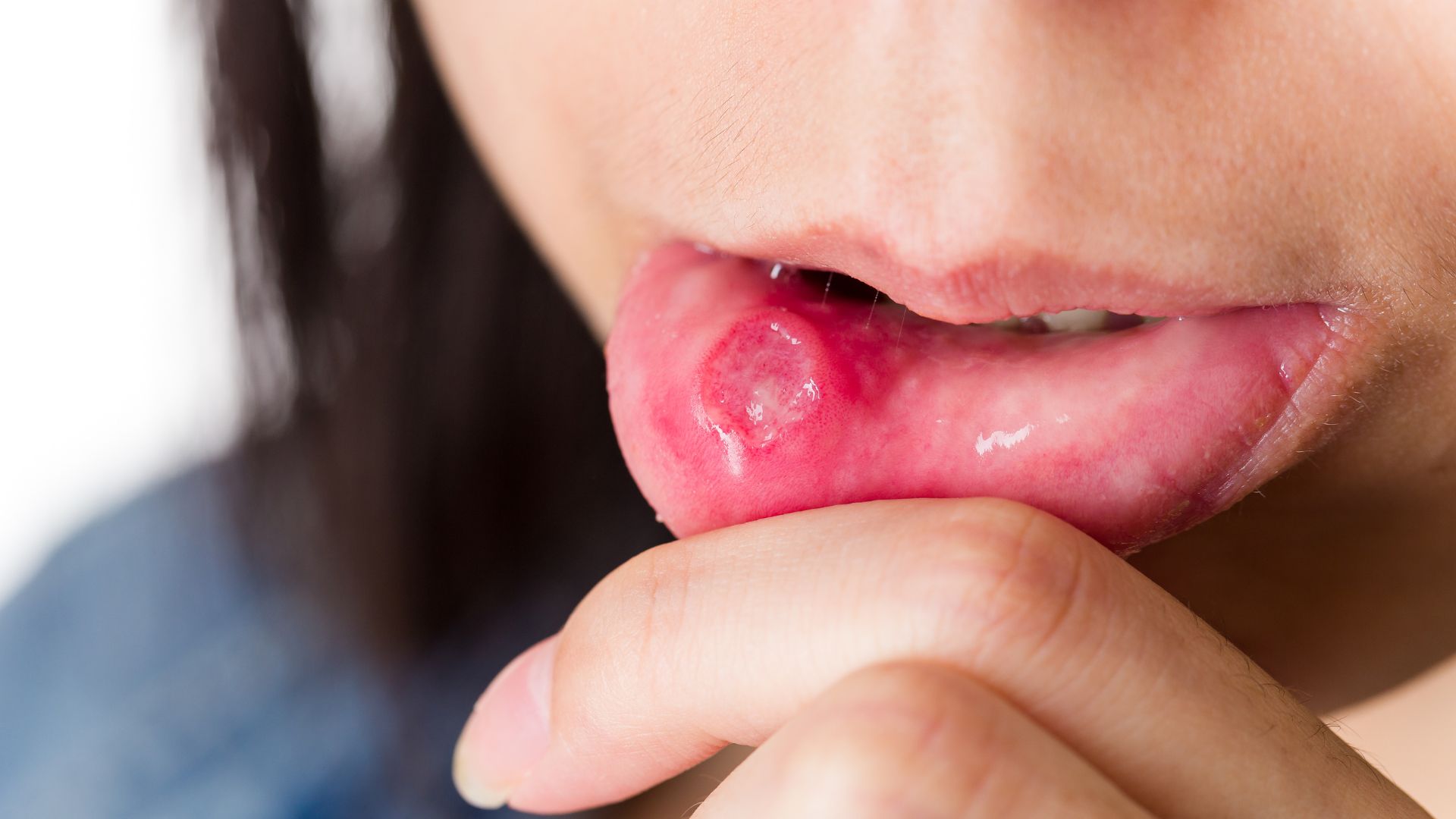
You wake up with a sore spot in your mouth or on your lip, and immediately the question hits: is this a canker sore or a cold sore? They both hurt. They both show up without warning. But they are not the same thing – not even close.
One is contagious. The other is not. And knowing which one you have matters more than most people realize.
What Is a Canker Sore?
A canker sore is a small, shallow ulcer that forms inside your mouth. You might find it on the inside of your cheek, under your tongue, on your gums, or on the soft tissue at the back of your throat. They are usually round or oval with a white or yellowish center and a red border.
Here is the important part: canker sores are not contagious. You cannot give one to another person through kissing, sharing utensils, or any kind of contact. They are not caused by a virus.
What Causes Canker Sores?
The exact cause is not fully understood, but several triggers are well-documented. Minor mouth injuries – like accidentally biting your cheek or irritation from a sharp food – are common culprits. Stress, hormonal changes, nutritional deficiencies (especially B12, iron, or folate), and even certain toothpastes containing sodium lauryl sulfate have been linked to canker sore outbreaks.
Some people get them more frequently than others, and they tend to run in families. If you are constantly dealing with recurring sores inside your mouth, that is worth bringing up with your dentist.
What Is a Cold Sore?
A cold sore is a fluid-filled blister that forms outside your mouth – most often on or around your lips, though it can also appear on your chin or nose. Cold sores are usually caused by the herpes simplex virus type 1 (HSV-1), and unlike canker sores, they are absolutely contagious.
The virus spreads through direct contact. Kissing someone during an active outbreak, sharing a drink, or even touching the sore and then touching someone else can transmit HSV-1. Once a person is infected, the virus stays in the body permanently, lying dormant until something triggers a flare-up.
What Triggers a Cold Sore Outbreak?
Cold sore triggers vary from person to person, but some of the most common ones include illness (hence the nickname “fever blisters”), prolonged sun exposure, lack of sleep, stress, and a weakened immune system.
Before the blister actually appears, most people experience a tingling or burning sensation in the area. The virus can spread from that first tingle, and it is most contagious once the blisters break open. The blister then forms, breaks open, crusts over, and heals – usually within one to two weeks.
Canker Sore vs Cold Sore: How to Tell Them Apart
The confusion between these two is completely understandable. They are both painful oral sores that seem to appear at the worst possible times. But there are clear differences once you know what to look for.
- Location is the fastest clue. Canker sores usually develop inside the mouth, while cold sores most often appear on the lips or surrounding skin. A sore inside your mouth is more likely to be a canker sore, while one on your lip or face is more likely to be a cold sore.
- Appearance is different too. Canker sores look like shallow craters with a white or yellow center. Cold sores look like a cluster of small blisters that eventually merge, burst, and crust over.
- Contagiousness is the biggest distinction. Canker sores cannot be passed from person to person. Cold sores can – and easily.
Here is a quick comparison to keep it straight:
| Feature | Canker Sore | Cold Sore |
|---|---|---|
| Location | Inside the mouth | Outside the mouth (lips, skin) |
| Cause | Non-viral (stress, injury, diet) | Herpes simplex virus (HSV-1) |
| Contagious? | No | Yes |
| Appearance | White/yellow crater with red border | Fluid-filled blisters that crust |
| Recurrence | Varies by individual | Triggered by stress, illness, sun |
When Should You See a Dentist About a Mouth Sore?
Most canker sores heal on their own within one to two weeks without any treatment. Cold sores typically resolve in a similar timeframe, though antiviral medications prescribed by a doctor can shorten the duration and reduce discomfort.
That said, there are situations where you should not just wait it out. If a sore inside your mouth lasts longer than two weeks, is unusually large, keeps coming back, or is accompanied by fever or difficulty swallowing, you need to get it looked at. Persistent sores that do not heal can sometimes signal something more serious, including oral cancer. That is one reason regular dental checkups matter.
A dentist is often the first person to spot early signs of oral disease during a routine exam. If something in your mouth looks off, they can help you figure out what it is.
Can a Dentist Help With Canker Sores?
Yes – and more than most people expect. While there is no cure for canker sores, a dentist can recommend treatments to manage pain and speed up healing. Options include prescription mouth rinses, topical corticosteroids, or laser therapy for more severe cases.
If your canker sores are linked to sharp teeth, ill-fitting dental appliances, or chronic irritation inside your mouth, your dental team can address those underlying causes directly. Fixing a rough edge on a tooth or adjusting a dental device can make a real difference for people who deal with frequent sores.
Oral Health Habits That Can Make a Difference
Whether you are dealing with canker sores or cold sores, your overall oral health plays a role in how your mouth heals and how often these sores appear.
Keeping your mouth clean reduces bacterial load and limits irritation. Using a soft-bristled toothbrush, staying hydrated, and avoiding foods that commonly trigger sores – like acidic citrus or sharp chips – are all practical steps you can take at home.
Stress management also matters, since stress is a documented trigger for both canker sores and cold sore outbreaks. Sleep, nutrition, and regular exercise support immune function, which helps your body keep HSV-1 in check and may reduce how often canker sores flare up.
A balanced diet rich in folate, B12, iron, and zinc is particularly important. If you are deficient in these nutrients, supplementing under the guidance of a healthcare provider can reduce the frequency of canker sore outbreaks significantly.
What About Children and Mouth Sores?
Children can get both canker sores and cold sores. For parents in Edmonton, it can be alarming to see your child with a painful sore inside their mouth or on their lip, especially if you are not sure what you are looking at.
Canker sores in children are often triggered by minor mouth trauma – biting their cheek, rough food, or even a new orthodontic appliance. Cold sores in children are most commonly acquired through contact with an infected adult, often through kissing. HSV-1 transmission during childhood is very common and often happens without anyone realizing it.
If your child has frequent or severe mouth sores, it is worth mentioning to their dentist at their next checkup. Pediatric dental visits are a great opportunity to monitor oral development and catch anything unusual early.
FAQs About Canker Sores and Cold Sores
Can you get a cold sore inside your mouth?
This is a common question. The answer is technically yes, but it is rare. HSV-1 can occasionally cause sores on the gums or hard palate, but this usually happens during a primary infection (the first outbreak). Recurrent cold sores almost always appear on the outer lip or surrounding skin. If you have a sore inside your mouth, it is far more likely to be a canker sore.
Are canker sores a sign of something serious?
Most of the time, no. Occasional canker sores are extremely common and harmless. However, if they are recurring frequently, lasting longer than two weeks, or growing unusually large, they may point to an underlying condition like celiac disease, inflammatory bowel disease, or an immune disorder. A healthcare provider can help investigate if the pattern seems unusual.
Can stress really cause mouth sores?
Yes, stress is a well-established trigger for both types. Psychological stress weakens the immune system and can disrupt the oral environment, making it easier for canker sores to develop and for dormant HSV-1 to reactivate into a cold sore outbreak.
Is there a way to prevent cold sores?
You cannot prevent them entirely once you have HSV-1, but you can reduce outbreak frequency. Protecting your lips from sun exposure with SPF lip balm, managing stress, getting enough sleep, and in some cases taking daily antiviral medication (as prescribed by a doctor) can all help keep outbreaks less frequent and less severe.
Should I avoid the dentist if I have an active cold sore?
Yes, it is a good idea to reschedule your dental appointment if you have an active cold sore. Cold sores are contagious until the blister has fully crusted over and healed. Letting your dental office know when you call to reschedule is the considerate thing to do, and they will appreciate the heads-up.
How to Tell a Canker Sore From a Cold Sore
Canker sores and cold sores may seem similar at first, but they are fundamentally different – in cause, location, and especially in whether they can spread to others. If the sore is inside your mouth, it is likely a canker sore and is not contagious. If it is on your lip or face, it is likely a cold sore caused by a virus that can be passed to others. When sores persist, recur often, or simply leave you unsure, your dentist is the right person to ask. For comprehensive dental care in Edmonton, learn more about our general dentistry services or call us at 780-463-8803.
