
What Causes Supernumerary Teeth To Form?
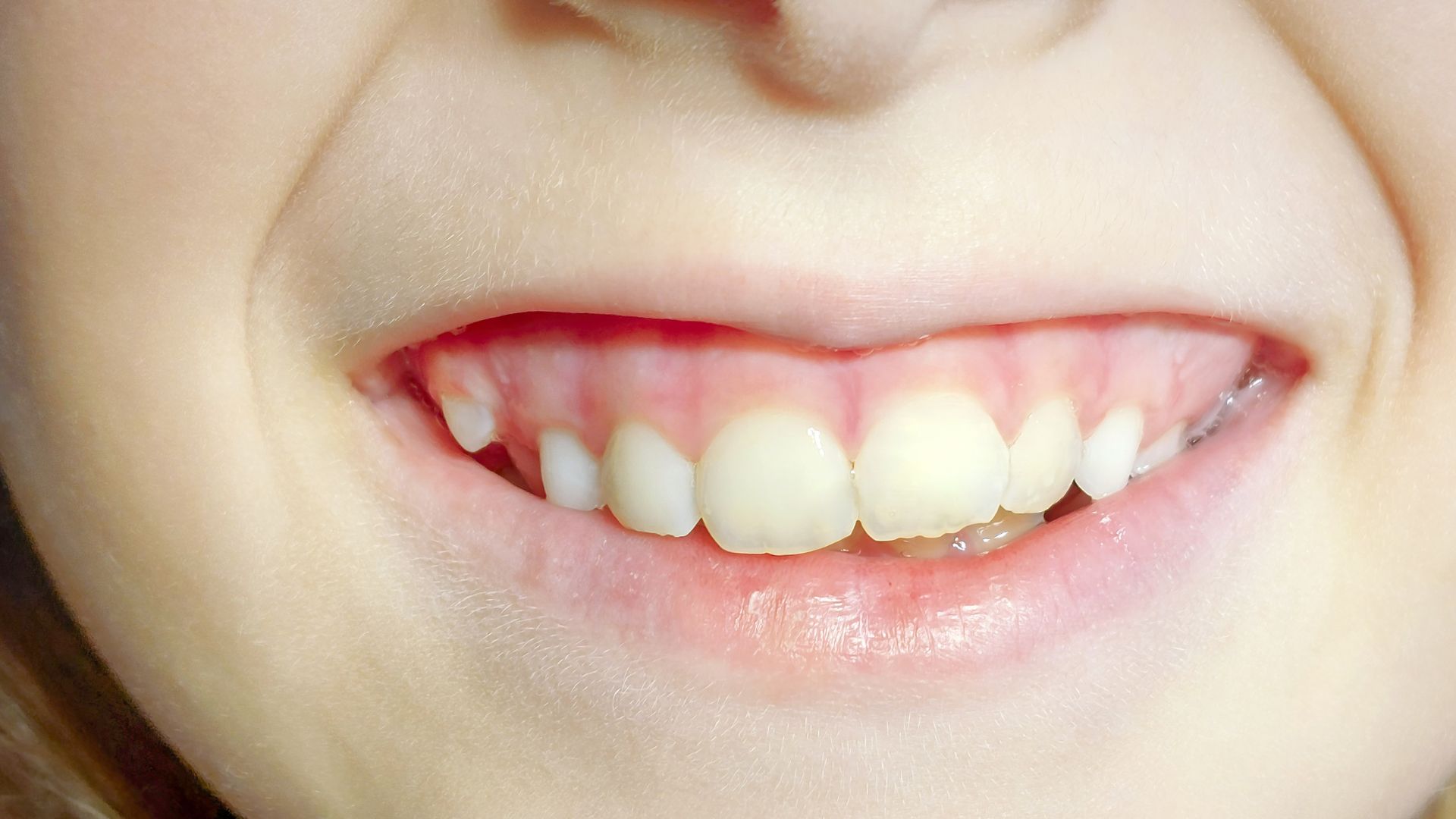
Most people are born expecting two sets of teeth. First come the deciduous teeth – the baby teeth that fall out in childhood. Then the permanent teeth push through, and that is supposed to be that. But for some people, the story does not end there.
A small percentage of the population grows extra teeth. These are called supernumerary teeth, and they fall under a condition known as hyperdontia. If you or your child has been told there are extra teeth where they should not be, you probably have questions. This article breaks down the real causes, the genetics behind it, and what it means for your dental health.
What Are Supernumerary Teeth?
Supernumerary teeth are extra teeth that develop beyond the typical number. Adults normally have 32 permanent teeth, while children have 20 deciduous teeth. When the body produces more than that, the extras are considered supernumerary.
These additional teeth can appear anywhere in the mouth – in the maxilla (upper jaw), the mandible (lower jaw), or both. They vary widely in shape and size. Some mimic a normal tooth in morphology, while others grow in unusual forms like a peg, a cone, or a small tubercle.
Where Do They Usually Appear?
The most common location is near a maxillary central incisor, one of the front teeth in the upper jaw. A supernumerary tooth in this position is called a mesiodens. Other locations include behind the molar area, near the premolar region, and around the maxillary sinus.
Extra teeth can remain buried in the bone and never erupt, or they can push through the gums and crowd the surrounding dentition. Both situations can cause problems if left unaddressed.
The Genetics Behind Hyperdontia
Here is where it gets genuinely interesting. Genetics plays a significant role in hyperdontia, though researchers have not pinpointed a single gene responsible for all cases. According to sources including the Cleveland Clinic and the NLM (National Library of Medicine), both heredity and environmental factors are likely involved.
Hyperdontia appears to follow a pattern of autosomal dominance in some families, meaning a single copy of the relevant gene mutation can be enough to cause the condition. If a parent has extra teeth, there is a real chance the child might too. This does not mean it is guaranteed, but the genetic link is well established in research literature.
The dental lamina – the tissue layer responsible for initiating human tooth development – is thought to be central to the problem. When the dental lamina becomes hyperactive or fails to stop producing tooth buds at the right time, extra teeth can begin to form. It is essentially the body’s tooth-building process not knowing when to quit.
Gene Mutations and Their Role
Specific gene mutations have been connected to supernumerary tooth formation. Genes involved in signaling pathways that control tooth eruption and the overall growth of the jaw appear to be particularly relevant. Mutations in certain regulatory genes can disrupt the normal stopping point of dentition development.
Researchers continue to study which genes are most directly responsible. What is clear is that this is not just a random anomaly – there is a biological and genetic blueprint driving it.
Syndromes Linked to Supernumerary Teeth
Supernumerary teeth do not always appear in isolation. In many cases, they occur as part of a broader genetic disorder or syndrome. Identifying these connections matters for diagnosis and overall health management.
Cleidocranial dysostosis is one of the most well-known syndromes associated with hyperdontia. It is a genetic disorder that affects bone and tooth development, often causing multiple supernumerary teeth alongside problems with the collarbone and skull development.
Gardner’s syndrome is another condition where extra teeth are a notable sign. This syndrome involves benign growths in the colon and soft tissues, and extra teeth – including odontomas (tumor-like masses made of dental tissue) – are a recognized feature.
Other syndromes include:
- Ellis-Van Creveld syndrome – a rare genetic disorder affecting bone growth and often associated with extra teeth and heart abnormalities
- Cleft lip and cleft palate – a birth defect that can alter normal tooth formation in the affected area
- Rubinstein-Taybi syndrome – linked to various dental abnormalities including supernumerary teeth
- Nance-Horan syndrome – an X-linked condition associated with dental and eye abnormalities
- Fabry disease – a rare inherited metabolic disorder that can present with dental and oral health complications
The presence of extra teeth in a child can sometimes be the first clue that a broader genetic syndrome is involved. This is one reason a thorough diagnosis matters beyond just counting teeth.
Environmental Factors: Not Just in the Genes
While genetics is the main driver, environmental factors may also contribute to hyperdontia. Some researchers believe that certain disruptions during fetal development – possibly from infections, medication exposure, or other external stressors during pregnancy – could influence the dental lamina and trigger abnormal tooth bud formation.
The relationship between environment and gene expression in tooth development is still an active area of research. What is understood is that both nature and nurture can intersect when it comes to how teeth form.
Signs and Symptoms to Watch For
Supernumerary teeth do not always cause obvious symptoms, especially if they are impacted (stuck in the bone and never erupting). However, there are signs and symptoms worth paying attention to.
A dentist may spot extra teeth on dental radiography – an X-ray – before any physical signs appear. In other cases, visible problems arise, including:
- Crowding or misalignment of existing teeth
- Delayed or disrupted tooth eruption in children
- Pain or discomfort in the jaw
- Swelling or pressure in the gums
- Gaps between teeth that should not be there
- Difficulty chewing properly
In some cases, impacted supernumerary teeth can damage the roots of nearby permanent teeth, contribute to tooth decay, increase the risk of infection, or even lead to periodontal disease if they create pockets where bacteria collect.
Diagnosis: How Dentists Identify Extra Teeth
Diagnosis typically begins with a physical examination and a dental X-ray. A standard radiograph gives a dentist a two-dimensional view of the teeth and bone, which is often enough to spot an extra tooth. In more complex cases, a cone beam CT scan may be used for a three-dimensional picture of the jaw and surrounding structures.
For children, early dental visits are crucial. Hyperdontia is more common in permanent teeth than in deciduous teeth, and catching it early gives the patient more treatment options. Dental radiography during routine checkups is one of the most effective tools for early identification.
There is also an observed association between hyperdontia and conditions like attention deficit hyperactivity disorder in some research populations, though this connection is still being studied and is not yet fully understood.
Prevalence: How Common Is Hyperdontia?
The prevalence of hyperdontia varies by population. Studies generally report it occurring in roughly 0.1% to 3.8% of the general population, with higher rates seen in association with the syndromes mentioned above. It tends to appear more often in males than females, and more often in the permanent dentition than the deciduous dentition.
Hypodontia – the condition involving missing teeth rather than extra ones – is actually far more common. But hyperdontia, while rarer, can be more immediately disruptive when it does occur.
Treatment: What Happens Next?
The most common treatment for hyperdontia is dental extraction – removing the extra tooth or teeth. Whether removal is necessary depends on how the supernumerary tooth is affecting the patient.
If the extra tooth is causing crowding, interfering with eruption, pressing against other teeth, or creating hygiene problems that increase the risk of tooth decay or infection, extraction is usually recommended. In cases where the extra tooth is fully impacted and not causing harm, a dentist may recommend monitoring it with regular X-rays rather than immediate removal.
Orthodontics may be needed after extraction to guide the remaining teeth into their correct positions, especially in younger patients whose permanent teeth are still coming in.
The decision always comes down to what is best for the individual patient, their age, the position of the extra tooth, and the overall health of the surrounding teeth, bone, and gums.
What to Do About Supernumerary Teeth
Supernumerary teeth are more than just a dental curiosity – they are rooted in real genetics, real biology, and sometimes real syndromes that deserve proper attention. Whether you have noticed something unusual in your child’s mouth or received an unexpected finding on an X-ray, the right next step is a professional evaluation.
If you are in Edmonton and have questions about your child’s tooth development or an unexpected dental finding, the pediatric dentistry team at Dr. Molly Rodgers Dental is ready to help. Call 780-463-8803 to book an appointment.
