
How Long Do Dental Implants Last? Post vs. Crown
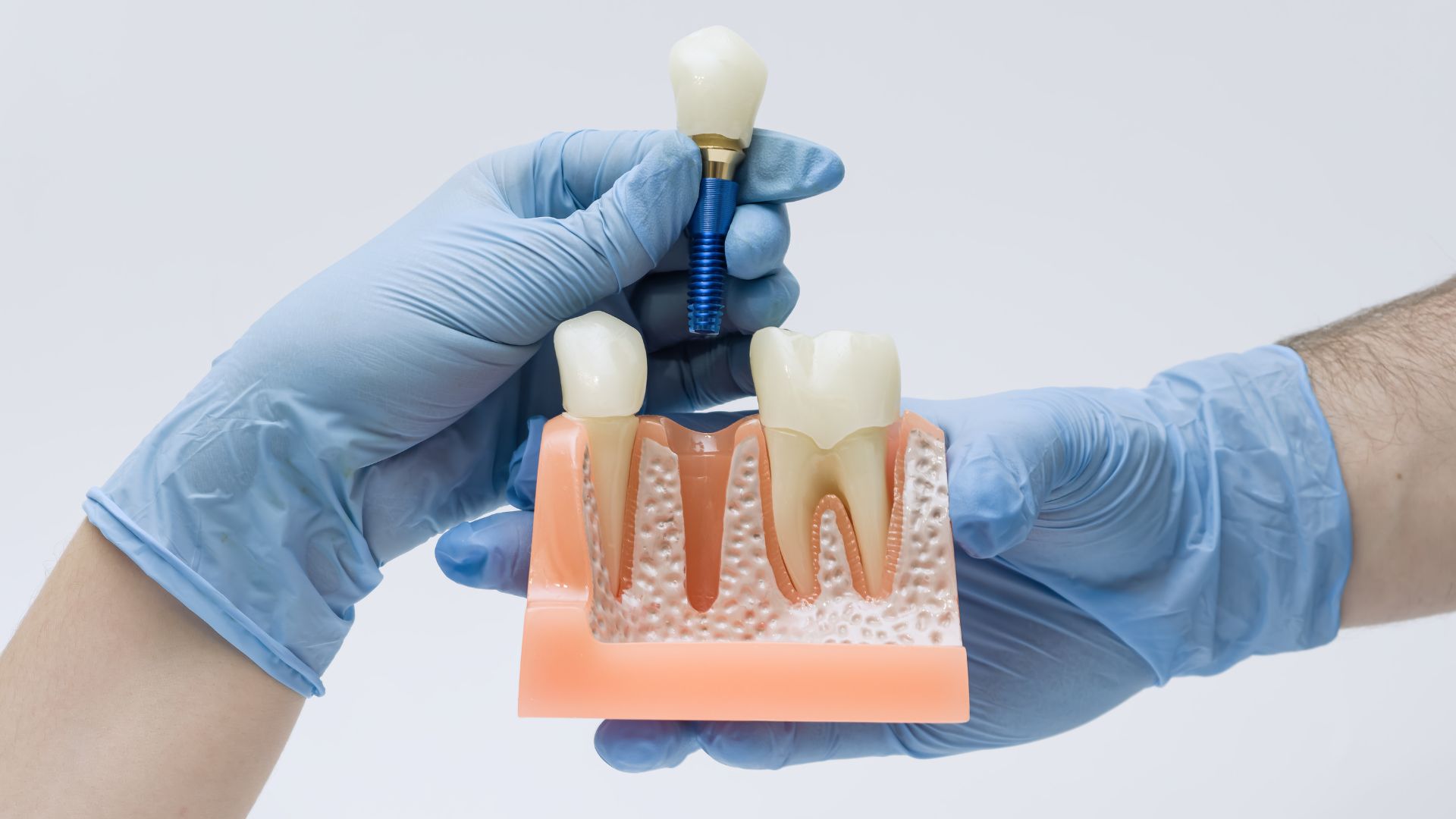
If you have ever looked into replacing a missing tooth, you have probably heard the phrase “dental implants can last a lifetime.” But what does that actually mean? Is it marketing speak, or is there real substance behind it?
The honest answer is somewhere in the middle – and understanding the nuance could save you a lot of money, discomfort, and second-guessing down the road.
What Are Dental Implants, Exactly?
Before we talk about longevity, it helps to understand what you are actually getting. A dental implant is a small titanium post that gets surgically placed into your jawbone. Over time, the bone fuses around it – a process called osseointegration – turning the implant into a stable, root-like anchor.
On top of that anchor sits a crown, which is the visible tooth-shaped piece you actually see when you smile. The implant itself and the crown are two separate components, and they can have very different lifespans.
How Long Do Dental Implants Actually Last?
Here is the realistic breakdown. The implant post itself – the titanium piece embedded in your jaw – can genuinely last 25 years, 30 years, or even a full lifetime when properly placed and cared for. Studies consistently show survival rates above 90% at the 10-year mark, with many reaching well beyond that.
The crown sitting on top, however, typically lasts between 10 and 15 years before it may need to be replaced due to normal wear and tear. That is not a failure of the implant – it is just the reality of how dental restorations age.
So when someone says implants last forever, they are mostly right about the foundation. The visible part may need refreshing over the decades, which is completely normal.
Why Titanium Works So Well
Titanium is not a random material choice. It is biocompatible, meaning your body does not reject it, and it is remarkably resistant to corrosion. The bone actually grows around and bonds to it, which is why properly integrated implants feel and function almost identically to natural teeth.
This is also why implants are considered so superior to other tooth replacement options over the long term. Dental bridges, for example, typically last 10 to 15 years and require the surrounding teeth to be filed down to support them.
What Factors Affect Dental Implant Longevity?
Saying implants can last decades is true – but it is not guaranteed. Several real-world variables influence how long yours will actually hold up.
Your Oral Hygiene Habits
This is the biggest one. Implants cannot get cavities, but the gum tissue and bone around them absolutely can be affected by bacteria. A condition called peri-implantitis – which is essentially gum disease around an implant – is one of the leading causes of implant failure.
Brushing twice daily, flossing regularly, and not skipping your dental checkups are non-negotiable if you want your implant to last decades rather than years.
Bone Density and Jaw Health
Implants need enough healthy jawbone to anchor into. If you have experienced significant bone loss from a long-missing tooth or gum disease, you may require a bone graft before or alongside implant placement.
Working with an experienced dental team who can properly assess your bone health upfront matters enormously. Rushing past this step is one of the reasons some implants fail earlier than they should.
Smoking and Tobacco Use
If there is one lifestyle habit that dramatically reduces implant success rates, it is smoking. Tobacco impairs blood flow and slows healing, which can interfere with the osseointegration process and increase the risk of infection.
Studies have shown that smokers have implant failure rates significantly higher than non-smokers. If you are a smoker considering implants, quitting – or at minimum cutting back – is strongly advised before proceeding.
Teeth Grinding (Bruxism)
Do you grind or clench your teeth, especially at night? This places excessive force on implants and can accelerate wear on the crown or even destabilize the implant itself over time.
The good news is this is manageable. A custom night guard can protect your implant and your natural teeth from the effects of bruxism. It is a simple, inexpensive way to protect a significant investment.
The Skill and Experience of Your Dental Provider
Implant placement is a surgical procedure. The precision of the placement – the angle, depth, and positioning – directly impacts how well the implant integrates and how long it lasts. Choosing a knowledgeable, experienced dental provider is not a minor detail.
Implants vs. Other Tooth Replacement Options: A Longevity Comparison
It is worth stepping back and comparing implants to the alternatives, because longevity is one of the strongest arguments in their favor.
Dentures offer a removable solution that many patients find convenient, but they require periodic adjustments and replacements – typically every 5 to 10 years. They also do not prevent the bone loss that occurs when a tooth root is missing, which can gradually change the shape of your jaw and face.
Dental bridges are fixed and feel more natural than dentures, but they come with their own drawbacks. They typically last 10 to 15 years; they involve grinding down healthy adjacent teeth, and they still do not address bone loss beneath the gap.
Implants are the only tooth replacement option that actually mimics the function of a natural tooth root. They preserve bone, feel stable, and when properly cared for, outlast every other option by a significant margin.
Signs Your Implant May Be in Trouble
Even the best implants can run into problems if warning signs are ignored. Knowing what to watch for gives you the chance to address issues early before they become costly or lead to failure.
Pay attention if you notice any of the following:
- Persistent pain or discomfort around the implant site, especially after the initial healing period
- The implant feeling loose or shifting when you chew
- Swelling, redness, or bleeding of the gums around the implant
- Difficulty chewing that was not present before
- A visible gap forming between the implant crown and the gum line
None of these symptoms should be dismissed as normal. Catching peri-implantitis or bone loss early makes treatment far more straightforward.
How to Make Your Dental Implants Last as Long as Possible
The good news is that the habits that protect your implant are the same habits that protect your overall oral health. There is nothing complicated or expensive about maintaining an implant – it largely comes down to consistency.
Brush twice a day using a soft-bristled toothbrush. Floss daily, and consider an interdental brush to clean around the implant abutment. Use a non-abrasive toothpaste, as harsh abrasives can scratch the crown surface over time.
Visit your dentist at least twice a year for professional cleanings and checkups. These appointments allow your dental team to monitor the gum tissue and bone around the implant and catch any early signs of trouble before they escalate.
Avoid using your implant teeth as tools – do not chew ice, bite your nails, or use your teeth to open packaging. While implants are strong, applying excessive force in the wrong direction can cause damage to the crown or stress the implant over time.
Does Diet Play a Role?
Yes, though perhaps not as dramatically as the factors above. Maintaining a balanced diet that supports bone health – including adequate calcium and vitamin D – helps maintain the jaw density that keeps your implant anchored.
Limiting sugary foods and acidic beverages also protects the gum tissue surrounding your implant. Healthy gums are essential to implant stability over the long term.
What to Expect During the Implant Process
Understanding the timeline helps set realistic expectations. Getting a dental implant is not a one-visit procedure – it involves multiple stages spread over several months.
The initial step involves consultation, imaging, and planning. If a bone graft is needed, that is done first and requires a healing period of a few months before the implant post can be placed.
Once the post is placed, osseointegration – the bone fusing around the implant – takes anywhere from three to six months. After that, the abutment and crown are attached, completing the restoration.
The process takes patience, but the result is a tooth replacement that looks, feels, and functions like a natural tooth – and can last the rest of your life with proper care.
Dental Implants in Edmonton: What Patients Should Know
For Edmonton residents considering implants, accessibility and affordability are common concerns. Many people assume implants are out of reach financially, but that is not always the case.
At Dr. Molly Rodgers Dental, the team understands that dental care needs to be accessible without cutting corners on quality. Flexible in-house financing plans are available to help spread the cost of implant treatment over time, making it a realistic option for more patients.
The clinic also uses computerized digital imaging to plan implant placements with precision – an important detail that affects both the success of the procedure and the longevity of the result. Accurate imaging means the implant is placed in exactly the right position to support long-term stability.
Frequently Asked Questions About Dental Implant Longevity
Can a dental implant fail years after it is placed?
Yes, though late failures are less common than early ones. Late implant failure is usually related to peri-implantitis, bone loss, or trauma. Regular dental checkups significantly reduce the risk by catching problems early.
Is it painful to get a dental implant?
The placement procedure is performed under local anesthesia, so discomfort during the surgery itself is minimal. Some soreness in the days following is normal and manageable with over-the-counter pain relief. For patients with dental anxiety, options like laughing gas or sleep dentistry can make the experience much more comfortable.
Does a failed implant mean I cannot try again?
Not necessarily. Many patients who experience implant failure can be re-treated, often with a bone graft to rebuild the site before a new implant is placed. Your dental provider can assess whether re-treatment is a viable option in your specific situation.
Are implants covered by dental insurance in Canada?
Coverage varies depending on your plan. Some insurance policies cover a portion of implant costs, while others do not. It is worth checking your plan details and asking your dental office about direct billing options.
How is an implant different from a natural tooth when it comes to care?
In most practical ways, you care for an implant exactly like a natural tooth – brushing, flossing, and regular checkups. The main difference is that implants cannot get cavities, but the surrounding gum and bone still require the same diligent care as they would for a natural tooth.
Conclusion
Dental implants genuinely can last decades – often a lifetime – when placed correctly and maintained consistently. The titanium post is built to endure, and the habits required to protect it are the same ones that support your overall oral health. If you are ready to explore whether implants are the right fit for your situation, learning more about restorative options like dental bridges can help you make a fully informed comparison. Call Dr. Molly Rodgers Dental at 780-463-8803 to start that conversation
