
How Long Does Dental Bonding Last?
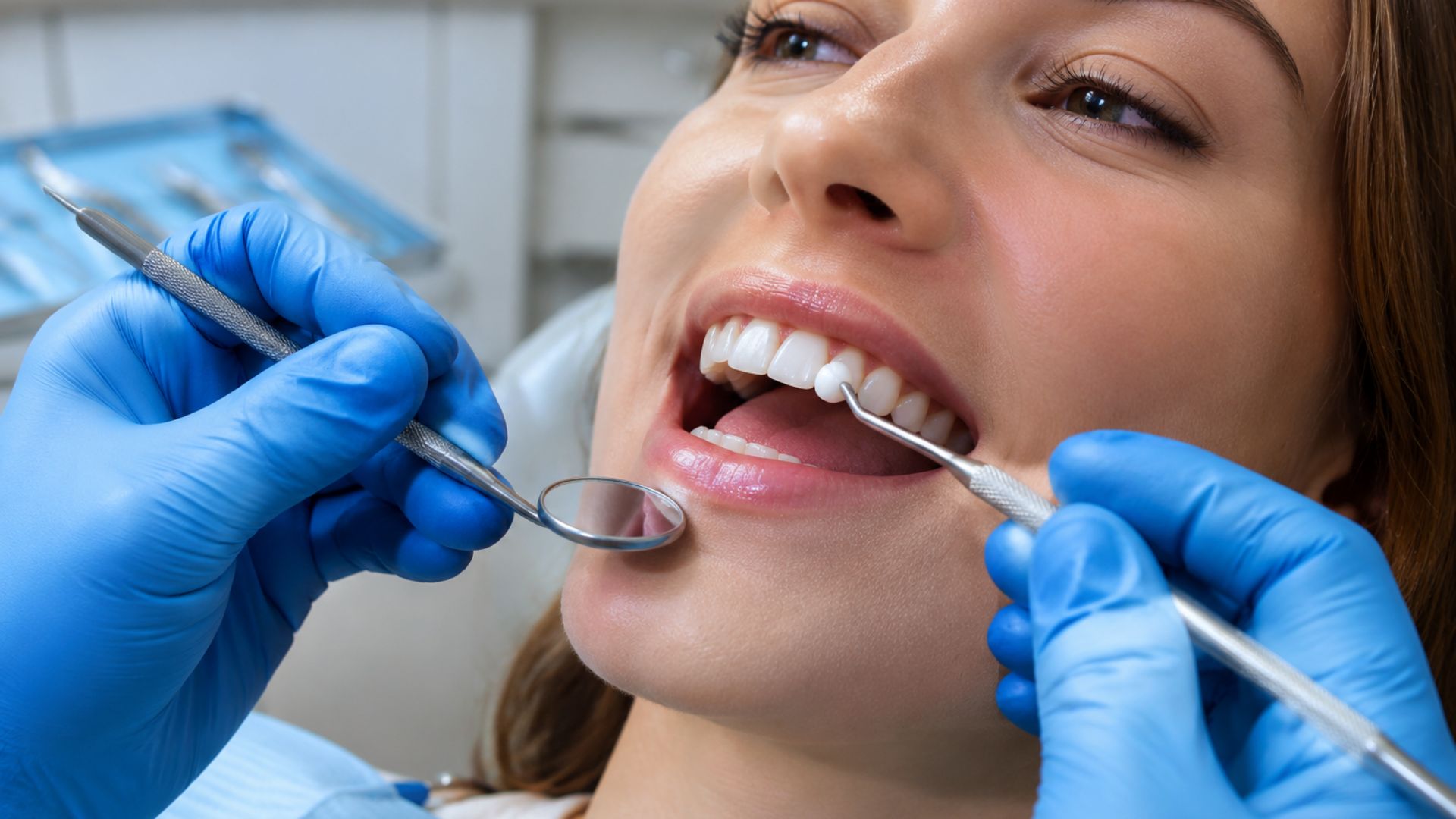
So you’ve heard about dental bonding and you’re wondering if it’s worth it. Maybe you’ve got a chipped tooth, a small gap, or some discolouration you’d like to fix without breaking the bank. Dental bonding sounds appealing, but one question keeps coming up: how long does dental bonding last before you need to go back in?
It’s a fair question, and the honest answer is: it depends. But let’s break that down in a way that actually helps you plan.
What Is Dental Bonding, Anyway?
Dental bonding is a cosmetic dental procedure where a tooth-coloured composite resin is applied directly to a tooth, shaped, and hardened with a special light. It’s one of the more straightforward cosmetic treatments available, and it doesn’t require the same level of prep work as veneers or crowns.
It’s commonly used to fix chips, cracks, gaps between teeth, staining, or even slightly misshapen teeth. The whole process usually takes less than an hour per tooth, and in most cases, it doesn’t require any anaesthesia unless you’re treating decay.
How Long Does Dental Bonding Last on Average?
Here’s the realistic answer most people are looking for: dental bonding typically lasts between 3 and 10 years before it needs to be touched up or replaced. That’s a wide range, and it’s intentional, because longevity really does vary from person to person.
The composite resin used in bonding is durable, but it’s not as strong as natural enamel or porcelain veneers. Over time, it can chip, stain, or wear down depending on how you treat it. With reasonable care, many patients get a solid 5 to 7 years before needing any significant repair.
Why the Range Is So Wide
Think of it this way: a bonded tooth on someone who grinds their teeth at night and drinks coffee every day is going to wear down much faster than the same procedure on someone with gentler habits. Your dentist will assess your situation and give you a more specific estimate, but the variables are real.
The location of the bonding also matters. Bonding on a front tooth that rarely takes direct biting force tends to last longer than bonding on a molar that grinds food all day.
Factors That Affect How Long Dental Bonding Lasts
Understanding what affects the lifespan of your bonding helps you make it last as long as possible. Here are the main factors to keep in mind.
Your Bite and Chewing Habits
If you tend to bite your nails, chew on pens, or use your teeth as tools (we all know someone who does), that’s going to shorten the life of your bonding considerably. The resin isn’t designed to handle that kind of stress repeatedly.
Teeth grinding, also known as bruxism, is another major concern. If you grind your teeth at night, the bonding is likely to chip or crack faster than average. Your dentist may recommend a night guard to protect both the bonding and your natural teeth.
What You Eat and Drink
Composite resin is more susceptible to staining than your natural enamel. Coffee, tea, red wine, and deeply pigmented foods can discolour the bonding over time, making it look mismatched against your surrounding teeth.
It’s worth noting that bonding can’t be whitened the way natural enamel can. So if the bonding stains, you’ll typically need polishing or replacement rather than a whitening treatment. This is an important consideration if you rely on regular whitening to keep your smile bright.
Oral Hygiene Routine
Good brushing and flossing habits don’t just protect your natural teeth – they also extend the life of dental bonding. Plaque and bacteria can build up around the edges of bonded areas and lead to decay underneath, which would require the bonding to be removed and the tooth treated.
Keeping up with your regular checkups and cleanings is also essential. During those visits, your dentist can spot early signs of wear, chipping, or lifting before they become a bigger problem.
The Skill of the Application
This one doesn’t get talked about enough. How well the bonding is applied in the first place has a significant impact on how long it lasts. A properly placed bond that’s well-polished and accurately shaped will hold up better than one that wasn’t given the same attention to detail.
Choosing an experienced dental provider matters here, not just for aesthetics but for durability.
Signs Your Dental Bonding Needs a Touch-Up
Your bonding won’t necessarily fail dramatically. More often, it’s a gradual process that you might not notice right away. Here are some things to watch for.
You might notice sharp or rough edges on the tooth that weren’t there before – this usually means a small chip has occurred. The bonded area may also look slightly different in colour from the surrounding teeth, which is a sign of staining or wear. In some cases, you might feel a difference when you bite down, suggesting the shape has changed.
If any of these things happen, it’s worth booking an appointment sooner rather than later. Minor repairs are usually quicker and less expensive than waiting until the damage gets worse.
Can Dental Bonding Be Repaired Without Full Replacement?
Yes, in many cases it can. If the chip or wear is minor, your dentist can often add a small amount of new resin and re-shape the area without having to redo the whole bond. This is one of the advantages of bonding compared to other cosmetic options – it’s relatively easy to repair incrementally.
That said, if the bonding is significantly worn, stained throughout, or if there’s decay underneath, a full replacement may be the better option. Your dentist will evaluate the situation and recommend the most practical solution.
How to Make Your Dental Bonding Last Longer
There’s no way to make bonding last forever, but you can definitely push toward that upper end of the lifespan range with a few consistent habits.
Avoid biting directly into very hard foods like hard candies, ice, or crusty bread with the bonded tooth. Rinse your mouth with water after consuming staining beverages and try to limit how frequently you consume them. Use a soft-bristled toothbrush and avoid abrasive whitening toothpastes, which can gradually wear down the resin surface.
If you grind your teeth, talk to your dentist about a custom night guard. It’s a small investment that can meaningfully extend the life of your bonding, and your overall dental health will benefit as well.
Attending your scheduled checkups is probably the simplest and most effective thing you can do. Your dentist can catch wear early, polish the surface to remove light staining, and advise you on any adjustments to your routine.
Is Dental Bonding Worth It Given the Lifespan?
This is ultimately a personal decision, but for many people, the answer is yes. Dental bonding is one of the most affordable cosmetic dental procedures available, and it can be completed in a single visit. Even if it needs a touch-up every few years, the ongoing cost is typically manageable compared to alternatives like porcelain veneers or crowns.
For patients in Edmonton looking for a cosmetic fix that’s quick, non-invasive, and effective, bonding is often a smart starting point. It’s particularly well-suited for minor repairs and improvements rather than major structural issues.
Dental Bonding vs. Other Cosmetic Options
It helps to understand how bonding stacks up against some alternatives when it comes to longevity.
Porcelain veneers, for example, typically last 10 to 20 years with proper care. They’re more resistant to staining and are generally more durable than composite resin. However, they’re also significantly more expensive and require more preparation of the tooth surface, which is irreversible.
Dental crowns typically last 5 to 15 years, sometimes much longer with good care, but they’re intended for teeth with more significant structural damage. Using a crown for a cosmetic concern that could be addressed with bonding would be like using a sledgehammer when a regular hammer would do the job.
Bonding sits in a practical middle ground: not as permanent as veneers or crowns, but far more accessible and less invasive.
Frequently Asked Questions
Does dental bonding fall off on its own?
It can, but it’s not common when the bonding is applied correctly. The resin is bonded to the enamel surface using a conditioning agent, which creates a durable hold. However, significant impact, biting force, or decay underneath can cause it to come loose over time. If a bonded piece does fall off, keep it and contact your dentist promptly.
How often should bonded teeth be checked?
Your regular dental checkups, typically every six months, are usually sufficient. Your dentist will examine the bonded areas during those visits as part of a routine assessment. If you notice changes between appointments, don’t wait – book an assessment.
Can you whiten bonded teeth?
Whitening treatments affect natural enamel but not composite resin. This means if you whiten your teeth after getting bonding, your natural teeth may brighten while the bonded area stays the same shade, creating a mismatch. It’s generally better to whiten your teeth before getting bonding so the resin can be matched to your desired shade.
Is bonding painful?
For most patients, dental bonding involves little to no discomfort. No drilling is required in most cases, and the procedure doesn’t typically require anaesthesia unless decay is being treated at the same time. Patients who are anxious about dental work can discuss comfort options with their provider.
How Long Dental Bonding Can Last With Proper Care
Dental bonding is a practical, affordable cosmetic option that typically lasts 3 to 10 years depending on your habits and how well the work is maintained. With the right care, many patients comfortably reach the higher end of that range before needing any significant touch-up. If you’re considering bonding and want to understand what’s right for your specific situation, the team at Dr. Molly Rodgers Dental can walk you through your options. Explore cosmetic dentistry services in Edmonton to learn more or call 780-463-8803 to book a consultation.
