
Root Planing vs Scaling: Which One Treats Gum Disease Better
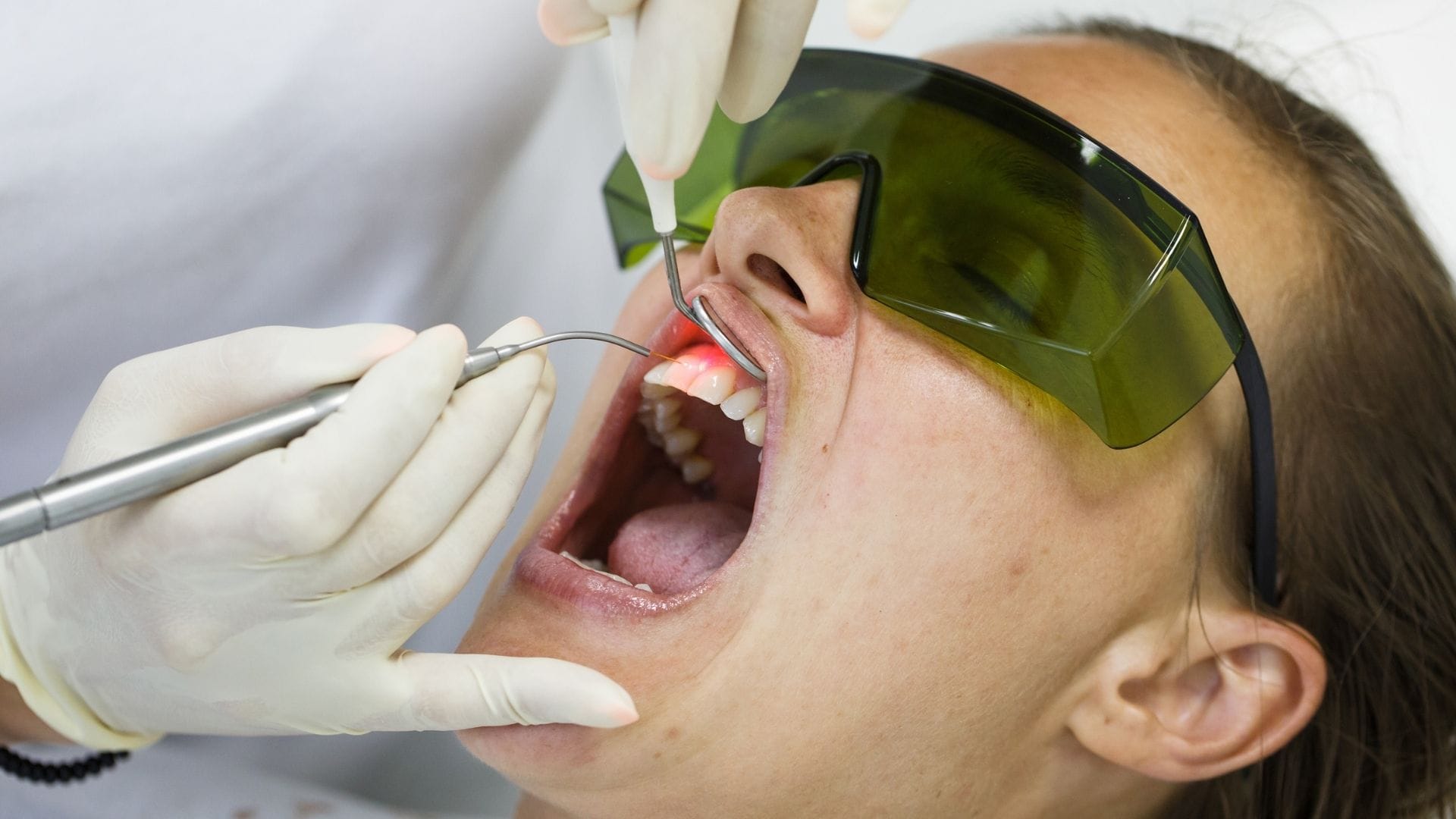
If your dentist has mentioned scaling and root planing, you might be wondering whether these are the same thing or two completely different procedures. It is a fair question, and the answer matters more than most people realize.
Both treatments target the same enemy: the buildup of dental plaque and calculus (dental tartar) that hides beneath your gumline. But the severity of your gum disease determines which one you actually need.
What Happens Below Your Gumline
Your mouth is home to billions of bacteria. When those bacteria combine with saliva and food particles, they form dental plaque – a sticky film that clings to your teeth. If you are not brushing and flossing consistently, that plaque hardens into calculus, which no toothbrush can remove on its own.
Over time, the inflammation caused by this buildup leads to gingivitis, the earliest stage of periodontal disease. If left untreated, it progresses into chronic periodontitis, a more serious infection that damages the bone and tissue holding your teeth in place. This is where gingival and periodontal pockets become a real problem.
Scaling: The Starting Point
Standard teeth cleaning – what you get during a regular checkup – focuses on surfaces above the gumline. Scaling goes deeper. It removes hardened calculus and plaque from below the gumline, targeting the areas where bacteria accumulate and trigger bleeding on probing and inflammation.
Think of scaling as the foundation. It is often the first response when a patient shows signs of early gum disease. Your hygiene appointment becomes more clinical, and your dental hygienist uses specialized tools to carefully clean inside those pockets around each tooth.
When Scaling Alone Is Enough
If your gum pockets are measuring around 1 to 3 millimeters – generally considered within a healthy range – a standard cleaning combined with scaling may be all you need. Consistent oral hygiene at home, including proper tooth brushing, dental floss use, and mouthwash, can maintain these results effectively.
Root Planing: Going One Step Further
Root planing is typically performed alongside scaling, which is why the full procedure is called scaling and root planing. Once the calculus is removed, root planing smooths out the rough surfaces on the root of the tooth itself – the dentin layer that sits just below the gumline.
Why does this matter? Rough root surfaces make it easier for bacteria to reattach and reform colonies. By smoothing the dentin, the procedure discourages that reattachment and helps the gum tissue heal and reattach more firmly to the tooth.
Signs Your Gums May Need Root Planing
Your gums are telling you something if you notice any of the following:
- Persistent bad breath that does not improve with brushing
- Gums that bleed easily during tooth brushing or flossing
- Gingival recession, where teeth appear longer than usual
- Tenderness, swelling, or visible redness along the gumline
- Pain when chewing
According to the Cleveland Clinic, untreated periodontal disease has been linked to systemic health issues, including cardiovascular disease. Your mouth is not isolated from the rest of your body.
What the Procedure Actually Feels Like
Scaling and root planing is performed under local anesthetic to keep you comfortable. Depending on how advanced the disease is, the dentist or hygienist may treat one section of your mouth per appointment. The area is numbed, and you should feel pressure but not sharp pain.
After the procedure, some patients experience dentin hypersensitivity – sensitivity to cold or heat – for a few days. Over-the-counter analgesics can help manage any discomfort during recovery. Your dental team may also prescribe an antibiotic to address lingering infection in deeper pockets.
What to Expect During Recovery
Recovery is generally straightforward. Sticking to soft foods for the first day or two helps. Warm salt water rinses or an antimicrobial mouthwash will support healing. The gum tissue should gradually tighten back around the root as inflammation resolves.
Some practices, including specialists in periodontology like those at Peace Periodontics, may monitor healing over several weeks to assess whether pockets have reduced and whether further treatment is needed.
The Difference That Changes Everything
Here is the clearest way to understand it. Scaling cleans the tooth. Root planing cleans and smooths the root. One targets the surface; the other targets the structure. If your periodontal pockets are deeper than 4 millimeters, if there is significant bone involvement, or if your gums are actively receding, root planing becomes necessary – not optional.
Leaving deep pockets untreated creates the conditions for chronic infection and, eventually, tooth loss.
Preventing the Need for Either
Consistent oral hygiene is your best defense. A soft-bristled toothbrush used twice daily, daily flossing, and regular dental checkups every six months go a long way. Early-stage gingivitis can often be reversed completely. Periodontitis, once it sets in, requires management rather than a cure.
Which Gum Treatment Do You Need?
Your gums are not passive bystanders – they are actively protecting the bone and roots beneath your teeth. Whether you need scaling, root planing, or both comes down to the current state of your periodontal health. The earlier you address it, the more straightforward the treatment. If it has been a while since your last cleaning or your gums have been signaling trouble, book a general dentistry appointment at Dr. Molly Rodgers Dental. You can also reach the clinic directly at 780-463-8803.
