
What Are Periodontal Pockets? Signs, Causes, And Treatment Options
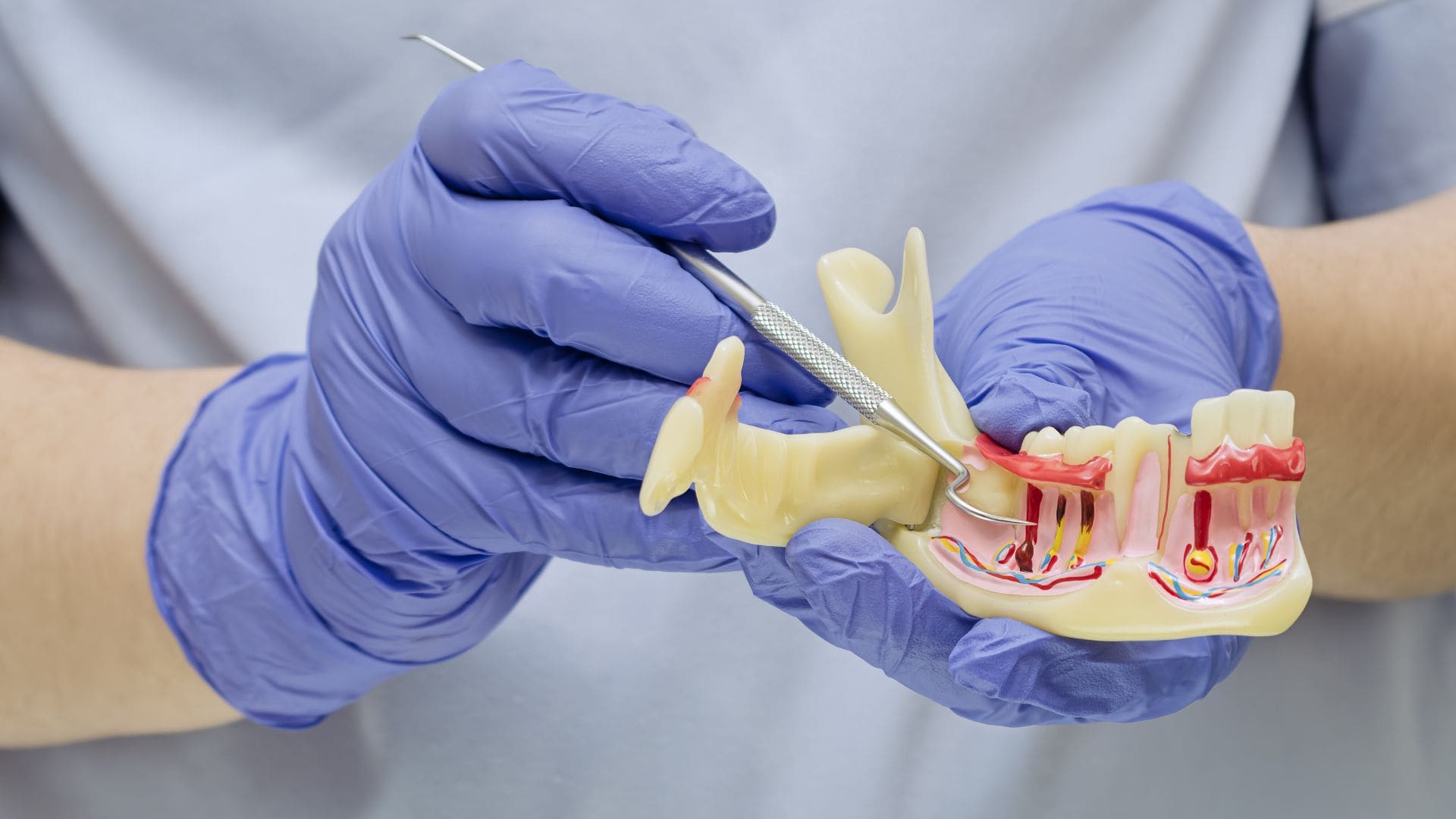
If your dentist has ever mentioned that your gums are forming “pockets,” you might have walked away a little confused. What exactly is a periodontal pocket, and should you be worried? The short answer: yes, it matters, but the good news is that catching it early makes a real difference.
What Is a Periodontal Pocket?
Healthy gum tissue forms a tight seal around each tooth, hugging the base snugly. The shallow space that naturally exists between the gum line and the tooth is called the gingival sulcus, and in a healthy mouth, it measures about 1 to 3 millimeters deep.
A periodontal pocket forms when gum disease causes the gum tissue to pull away from the teeth, creating a deeper space around the tooth. These pockets can capture and hold bacteria, plaque, and food debris, places your toothbrush simply cannot reach.
As the pocket depth increases, so does the risk of infection, bone loss, and eventually tooth loss.
How Does Gum Disease Create Pockets?
The formation of periodontal pockets starts with something familiar: plaque. Plaque is a sticky film of bacteria that constantly builds up on your teeth and gums. When plaque is not removed through regular brushing and flossing, it hardens into tartar, also called calculus, which can only be removed by a dental professional.
Tartar buildup triggers gum inflammation, which is the earliest stage of gum disease known as gingivitis. At this point, the gums may look red, swollen, or bleed when you brush. If gingivitis is not treated, it progresses into periodontal disease, where pockets form between the gums and teeth, and the structures around the teeth begin to break down.
Gum disease and periodontal pockets are closely linked. Active gum disease deepens the pockets, and deeper pockets make the infection harder to control.
Signs of Periodontal Pockets You Should Not Ignore
Periodontal pockets may not always cause pain, which makes them tricky to detect without a professional exam. However, there are signs of gum disease you can watch for:
- Gums that bleed when you brush and floss
- Persistent bad breath that does not go away
- Gum recession or teeth that look longer than before
- Swollen, tender, or red gums
- Tooth mobility or shifting teeth
- A bad taste in your mouth is a sign of a gum infection
These symptoms of gum disease should prompt you to book a dental visit promptly. Periodontal pockets can lead to serious complications if left untreated, including damage to the jaw and surrounding bone.
How Your Dentist Checks for Periodontal Pockets
To measure periodontal pockets, your dentist or dental hygienist will use a periodontal probe, a small instrument with millimeter markings. They gently insert the probe around each tooth to measure the depth of the periodontal pockets. This process helps them assess severity and determine the appropriate course of treatment.
A pocket depth of 4 millimeters or more typically signals that treatment is needed. Deep periodontal pockets, those 6 millimeters or deeper, are generally a sign of advanced gum disease requiring more intensive care.
Treatment Options for Periodontal Pockets
Periodontal pockets can be treated in several ways depending on how far the disease has progressed.
Scaling and Root Planing
For mild periodontal disease, scaling and root planing are often the first step. This deep cleaning procedure removes plaque and tartar from below the gum line and smooths the root surface so gum tissue can reattach to the tooth. Patients with periodontal disease often see significant improvement after this treatment.
Pocket Reduction Surgery and Grafting
For deep pockets that do not respond to scaling and root planing, pocket reduction surgery may be recommended. In some cases, a graft, either a bone graft or a gingival graft, may be needed to regenerate lost gum and bone tissue. Guided bone and tissue regeneration techniques have made these procedures increasingly effective.
Antibiotics and Antimicrobial Treatments
A dentist may prescribe an antibiotic or antimicrobial medication, sometimes as a topical medication placed directly at the bottom of the pocket, to help control bacteria and reduce gum inflammation.
How to Prevent Periodontal Pockets
The best way to prevent periodontal disease and protect your gum health is through consistent oral hygiene. Brush and floss daily. A water flosser can be especially helpful for cleaning around the gum line. Regular dental cleanings help remove tartar before it triggers gum problems.
To prevent periodontal pockets from forming or returning, schedule cleanings every six months and follow your treatment plan closely. Good oral health habits, including using mouthwash and keeping teeth and gums clean, reduce your risk significantly. Conditions like diabetes can increase the risk and severity of gum disease, so managing overall health matters, too.
If tooth loss does occur as a result of periodontal disease, explore options like dental implants or custom denture solutions.
For comprehensive general dentistry services and periodontal treatment tailored to your needs, the team at Dr. Molly Rodgers Dental & Associates is here to help. Whether you need to treat gum disease early or address a more serious case of periodontal pockets, you can count on gentle, knowledgeable care from a trusted Edmonton dental clinic. If symptoms arise suddenly, our emergency dental clinic in Edmonton is also available when you need it most.
Conclusion
Periodontal pockets are a serious but treatable sign of gum disease. The earlier you catch gum disease, the better your chances of protecting your teeth, gums, and jaw. Do not wait for pain to tell you something is wrong. Schedule a dental checkup, ask your dentist to check your pocket depth, and commit to good oral hygiene every day. Your gums work hard to protect your smile, and they deserve the same care in return. Book your visit with Dr. Molly Rodgers Dental at 780-463-8803 today.
