
Silver Amalgam Vs Composite Resin: Which Filling Wins?
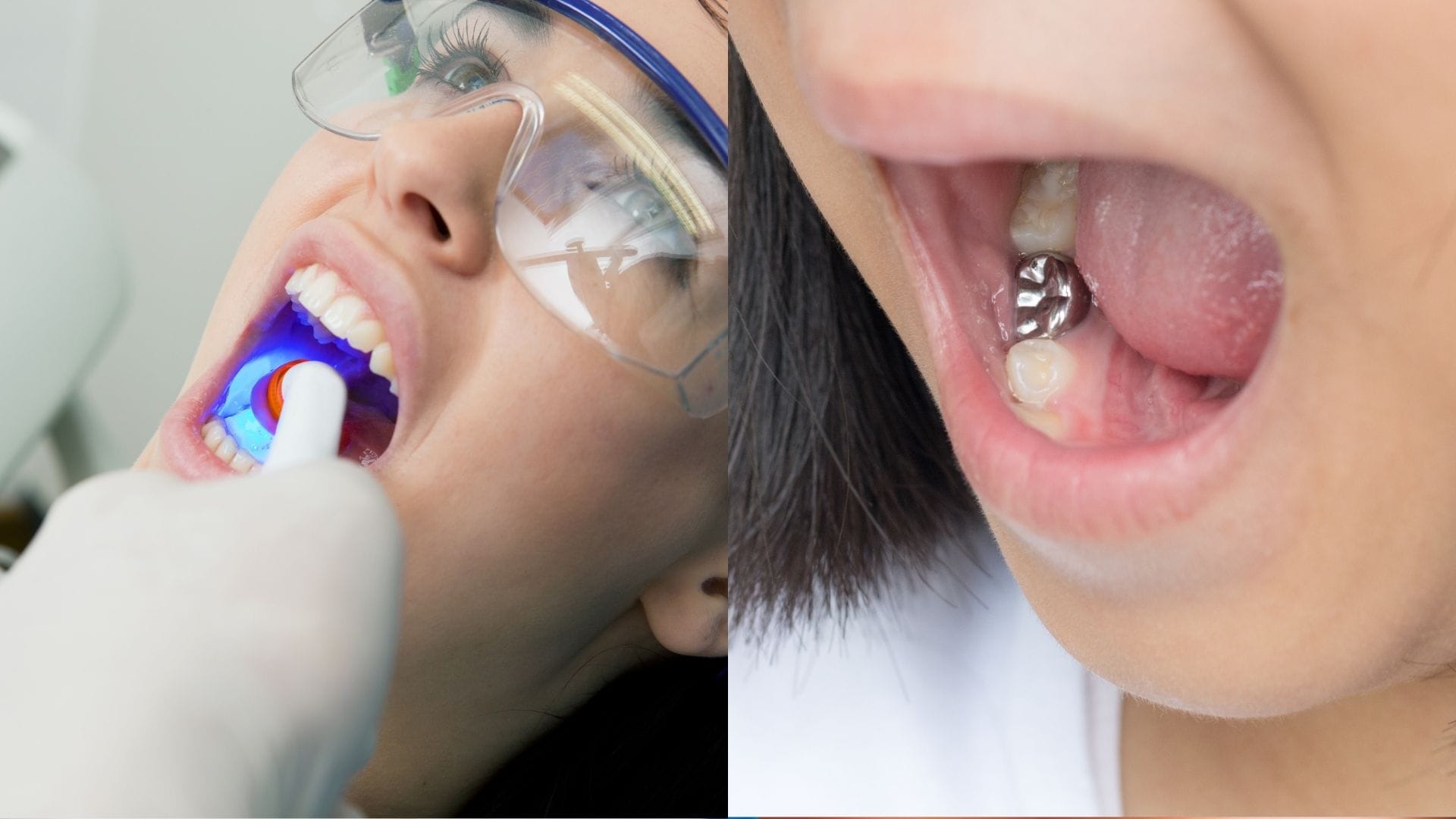
If you’ve ever had a cavity filled, chances are your dentist mentioned two options: silver amalgam or composite resin. And if you stared back with a blank expression, you’re not alone. Most patients leave the chair without fully understanding why one material was chosen over the other.
The truth is, both are legitimate dental restoration materials. But they serve different purposes, come with different trade-offs, and the “right” choice really depends on your specific tooth, your health history, and what matters most to you.
Let’s break it down.
What Is Silver Amalgam, Exactly?
Silver amalgam is one of the oldest dental materials in the history of dentistry. It’s an alloy made from a combination of metals – silver, tin, copper, and mercury. Yes, mercury is in there, and yes, that raises eyebrows.
The mercury binds the other metals together to create a stable, durable filling material. The American Dental Association and the Food and Drug Administration have both reviewed amalgam extensively and consider it safe for most patients.
The concern about mercury leading to neurological disorders or other neurological side effects has been studied at length, and current evidence does not support that standard amalgam fillings pose a significant health risk to the general population.
That said, the FDA does advise caution for certain groups – including children under six, pregnant individuals, and those with specific kidney conditions or known sensitivities to mercury or other metals.
What Is Composite Resin?
Composite resin is a tooth-coloured dental material made from a mixture of plastic and fine glass particles. It bonds directly to the tooth enamel, which means less of the natural tooth structure needs to be removed during placement.
Aesthetically, composite wins every time. It blends seamlessly with the surrounding tooth, making it the go-to choice for incisors, canines, and any tooth that shows when you smile. For patients who prioritize a natural-looking result, dental composite is hard to argue against.
Why Dentists Still Use Amalgam
Here’s where it gets interesting. Despite composite resin’s popularity, many dentists still reach for amalgam in specific situations – and for good reason.
Silver amalgam is exceptionally durable. It can withstand the heavy chewing forces placed on posterior teeth, particularly molars. It also has a longer track record of performance and tends to be more forgiving in areas that are difficult to keep completely dry during placement.
Cost is another factor. Amalgam fillings are typically less expensive, and depending on your dental insurance plan, they may be more fully covered. Composite restorations can cost more and may not always be covered at the same rate by insurance providers.
When Composite Resin Makes More Sense
For front teeth – incisors and teeth that are visible when you speak or smile – composite resin is almost always the better choice. The aesthetics matter here, and amalgam’s silver-grey colour would stand out noticeably.
Composite is also a better fit for smaller cavities and situations where preserving more of the natural tooth structure is a priority. Since it bonds chemically to the tooth, it requires less drilling, which can reduce the risk of fracture or injury to surrounding enamel over time.
Patients who want metal-free restorations for personal, medical, or cosmetic reasons will naturally lean toward composite. At Dr. Molly Rodgers Dental in Edmonton, metal-free restorations are available for patients looking to move away from traditional amalgam fillings entirely.
The Durability Question
Amalgam typically lasts 10 to 15 years, sometimes longer. Composite resin tends to last 5 to 10 years before it may need replacing. In high-stress areas like molars, amalgam has historically outperformed composite.
However, newer generations of dental composite materials are closing that gap. Technology in dental material science has improved significantly, and today’s composite resins are far stronger than what was available even a decade ago.
What About Replacing Old Amalgam Fillings?
Some patients ask about having their existing amalgam fillings replaced. Unless a filling is cracked, causing pain, or contributing to tooth decay around the margins, most dentists will recommend leaving it alone. Removing a filling unnecessarily can cause more harm than good – including unintended tooth injury, increased risk of fracture, or even the need for a crown or dental extraction down the road.
If an old filling needs replacing due to wear or disease, that’s a good opportunity to switch to composite if aesthetics or metal concerns are a priority.
Which Filling Option Is Right for Your Tooth?
Choosing between silver amalgam and composite resin is not about which is “better” – it’s about what works best for your specific tooth, your health, and your goals. Your dentist weighs durability, placement location, cost, and patient preference before picking sides.
If you’re considering metal-free restorations or want to understand your filling options in more detail, explore Dr. Molly Rodgers Dental’s metal-free restorations page or call 780-463-8803 to talk it through with the team.
