
Posts by Dentist Edmonton South
Nano Hydroxyapatite Toothpaste Vs Fluoride: Which Protects Enamel Better?
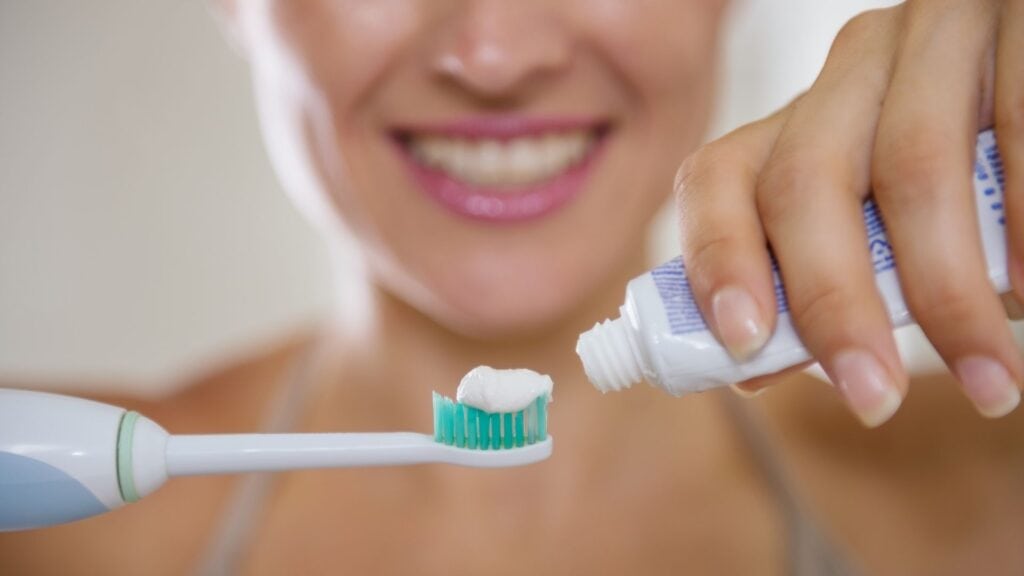
You’re standing in the dental care aisle, staring at a wall of toothpaste options. One tube says “fluoride protection.” Another says “nano hydroxyapatite.” Both promise to protect your tooth enamel, but they go about it in completely different ways. So which one actually wins? The honest answer is: it depends on your teeth, your habits,…
Read MoreChildhood Tooth Decay: Age-by-Age Risk Windows Every Parent Should Know
Cavity risk isn’t constant throughout childhood. It shifts noticeably at different ages, driven by changes in diet, habits, and which teeth are present in the mouth at any given time. Understanding these specific risk windows helps parents know exactly when to be most vigilant, rather than applying the same general caution uniformly across every stage…
Read MoreBroken Tooth? Here’s What to Do Right Away
Biting down on something unexpected and feeling a piece of your tooth break away is genuinely alarming, even when it doesn’t hurt much in the moment. Knowing exactly what to do in the minutes and hours right after it happens, and understanding your repair options once you’re seen, can turn a stressful situation into a…
Read MoreDaytime Clenching vs. Nighttime Grinding: Why the Difference Matters for Treatment
Bruxism, the general term for grinding or clenching your teeth, isn’t a single, uniform habit. It shows up differently depending on whether it happens while you’re awake or asleep, and that distinction genuinely matters when it comes to figuring out the right treatment approach. A nightguard might solve one person’s problem entirely while barely touching…
Read MoreDentures 101: Full, Partial, and Implant-Supported Options Compared
Deciding to get dentures, whether you’re facing full tooth loss or replacing several missing teeth, comes with a lot of questions. What type of denture is actually right for your situation? What will it cost, and what does insurance typically cover? What problems are common, and are they normal or a sign something needs adjusting?…
Read MoreHow to Keep Your Mouth Cavity-Free: Practical Daily Tips
Cavities are one of the most common, and most preventable, dental problems out there, yet they remain incredibly widespread. Part of the reason is that cavity prevention involves several factors working together, and missing even one, whether it’s the right products, proper technique, or consistent timing, can leave the door open for decay to take…
Read MoreOvercoming Dental Anxiety: 7 Tips for a More Comfortable Visit
Dental anxiety is far more common than most people realize, and it ranges from mild nervousness to a genuine, sometimes debilitating fear that keeps people away from the dentist entirely, often to the detriment of their oral health. If a dental visit fills you with dread, you’re not alone, and more importantly, there are real,…
Read MoreBotox in Dentistry: How It’s Used and Who Should Perform It
Botox has been associated with cosmetic medicine for decades, but it’s increasingly being offered by dental practices as well, which surprises many patients the first time they hear about it. The connection makes more sense once you understand the anatomy involved. Dentists work extensively with the muscles, nerves, and joints of the face and jaw,…
Read More3 Important Questions to Ask Your Dentist Before Getting Dental Implants
Dental implants are one of the most significant investments you can make in your oral health, both in terms of cost and the commitment involved in the process. Because implants are meant to be a permanent, long-term solution, walking into that first consultation with the right questions can make the difference between a smooth experience…
Read MoreWhy Shark Teeth in Kids Rarely Need Panic

Seeing two rows of teeth in your child’s mouth can be surprising. In many cases, however, shark teeth in kids are a temporary part of the transition from baby teeth to permanent teeth. The term “shark teeth” describes a permanent tooth erupting behind a baby tooth that has not fallen out yet. It often…
Read More