
Why Do My Gums Bleed at Night? Causes, Fixes, And When To See A Dentist
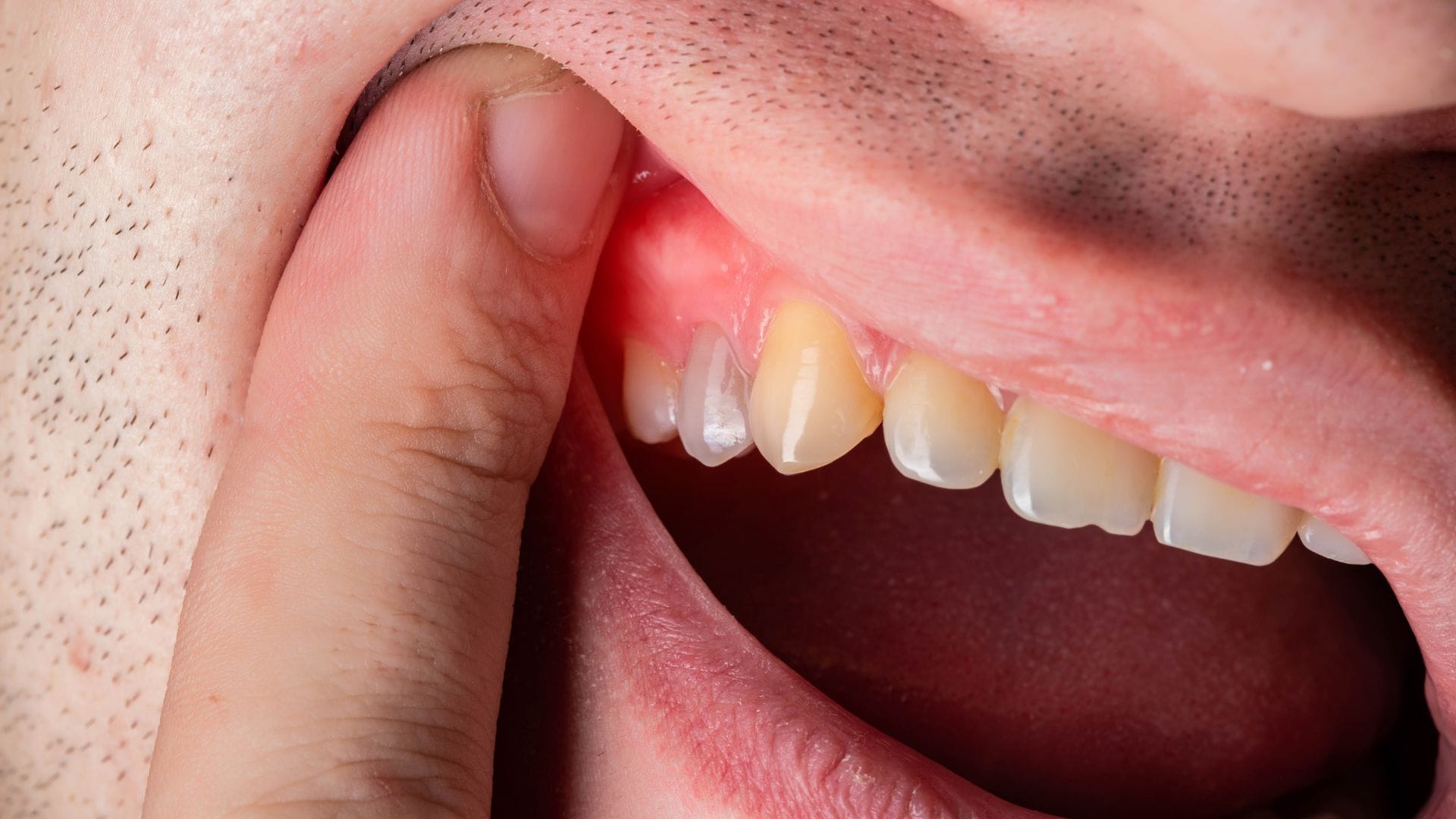
Waking up to a copper taste in your mouth or noticing blood on your pillow can be unsettling. If your gums bleed at night, your body is likely sending you a signal that something is off, and it is worth paying attention to.
The good news? Most causes of bleeding gums are treatable, especially when caught early.
Here is what you need to know.
What Causes Gums to Bleed at Night?
Bleeding gums are rarely random. There is almost always an underlying reason, and identifying it is the first step toward fixing the problem.
Gingivitis and Periodontal Disease
The most common culprit is gingivitis – the early stage of gum disease. When dental plaque builds up along the gumline, bacteria trigger inflammation, causing your gums to become red, swollen, and prone to bleeding. Left untreated, gingivitis can progress into periodontal disease, a more serious condition that affects the bone supporting your teeth and can eventually lead to tooth loss.
A key sign dentists look for during checkups is bleeding on probing, which happens when a dental instrument gently touches the gumline and bleeding occurs. This is one of the earliest indicators of gum inflammation in dentistry.
Bruxism (Teeth Grinding at Night)
Bruxism, or the habit of grinding or clenching your teeth while you sleep, creates significant pressure on your jaw and gum tissue. Over time, this repeated stress can irritate the gums, cause gingival recession, and make them more susceptible to bleeding. Many people with bruxism do not even realize they have it until a dentist spots the signs.
Medications and Coagulation Issues
Certain medications, particularly anticoagulants (blood thinners), can affect your blood’s ability to clot properly, leading to a condition called coagulopathy. If you have recently started a new medication and noticed your gums bleeding more than usual, that connection may not be a coincidence. Always inform your dentist about any medications you are taking, and never stop a prescribed medication without speaking with your physician first.
Vitamin Deficiency
A lack of vitamin C or vitamin K can directly affect your gum health and blood coagulation.
Vitamin C is essential for tissue repair and immune system function, and a deficiency can cause the gums to become fragile and bleed easily.
Pregnancy and Hormonal Changes
Hormonal shifts during pregnancy can increase blood flow to the gums, making them more sensitive and prone to inflammation. This is sometimes called “pregnancy gingivitis” and typically improves after delivery, though good oral hygiene during pregnancy remains essential.
Underlying Health Conditions
In rarer cases, bleeding gums can be linked to more serious systemic issues. Conditions like diabetes, leukemia, and disorders of the circulatory system can all affect gum health.
Diabetes, in particular, weakens the immune system’s response to infection, making it harder for the body to fight off the bacteria responsible for periodontal disease.
What You Can Do at Home
If your gums are bleeding, a few straightforward habits can make a real difference before you see a dentist.
- Improve your brushing technique. Use a soft-bristled toothbrush and brush gently in circular motions twice daily. A hard toothbrush or aggressive scrubbing can actually injure the gum tissue further.
- Start flossing consistently. Dental floss removes the bacteria and food particles hiding between teeth that your toothbrush cannot reach. Yes, your gums may bleed a bit more when you first start flossing – that is normal and should resolve within a week or two as the gums strengthen.
- Use the right toothpaste and mouthwash. An antimicrobial toothpaste or mouthwash can help reduce the bacteria contributing to plaque buildup and calculus (dental tartar). Look for products with ingredients like chlorhexidine or fluoride.
- Watch your diet. Foods high in sugar feed the bacteria that cause gum disease. Reducing sugar intake supports both your oral hygiene and your overall health.
- Manage stress. Stress has a direct biological impact on your immune system and can worsen inflammation throughout your body, including in your gums.
When To See a Dentist
Home care can go a long way, but some situations require professional attention.
You should book an appointment if:
- Your gums bleed regularly and have not improved after two weeks of better oral hygiene
- You notice bad breath that does not go away
- Your gums look swollen, show signs of edema, or appear to be pulling away from your teeth
- You experience a toothache or increased tooth sensitivity
- You have been diagnosed with diabetes or are pregnant
A dentist can perform a professional teeth cleaning and, if needed, recommend scaling and root planing – a deeper cleaning procedure used in periodontology to remove calculus below the gumline and allow the gum tissue to heal.
What to Do About Bleeding Gums at Night
Bleeding gums at night are not something to brush off. Whether the cause is gingivitis, bruxism, a vitamin deficiency, or a systemic health condition, early action protects both your smile and your overall well-being. If you are in Edmonton and your gums have been bothering you, the team at Dr. Molly Rodgers Dental is ready to help. Book a checkup and cleaning today by calling 780-463-8803 – your gums will thank you for it.
