
Is Charcoal Toothpaste Good For Your Teeth, Or Just Your Instagram
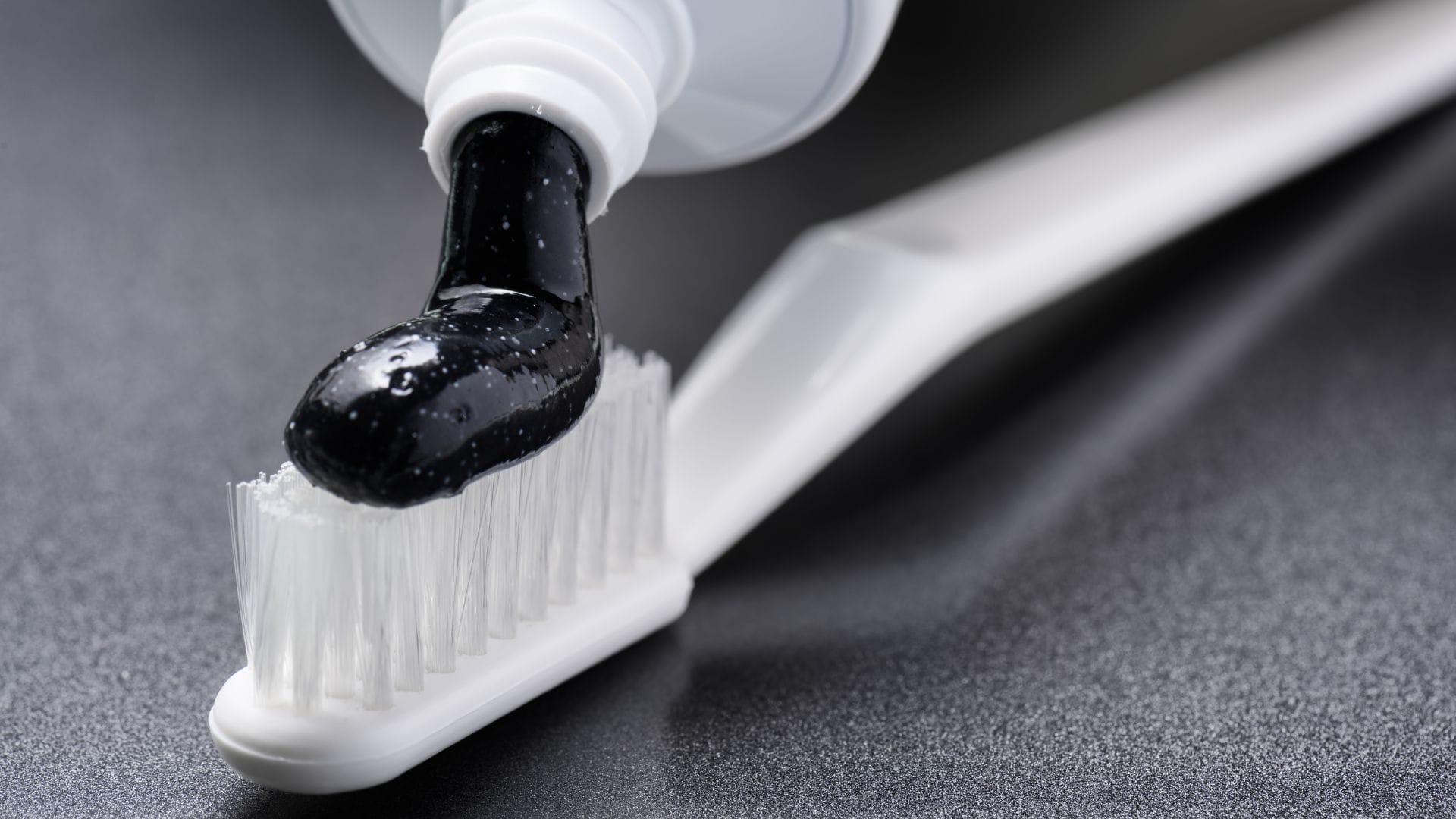
Scroll through any wellness feed and you will eventually land on someone brushing their teeth with a jet-black paste. It looks dramatic, it photographs beautifully, and the claims sound convincing: whiter teeth, fresher breath, detoxified gums.
But is charcoal toothpaste actually good for your teeth, or is it more of a social media moment than a dental health solution?
Let us break it down honestly, because your tooth enamel deserves better than a trending product that has not earned its place in your bathroom cabinet.
What Is Charcoal Toothpaste, Exactly?
Charcoal toothpaste is a dental product made with activated carbon – a form of charcoal that has been processed at high temperatures to make it highly porous. That porosity is what gives activated carbon its reputation as a toxin absorber in medical settings. The idea carried over into dentistry, with manufacturers claiming it pulls stains and bacteria off the surface of your teeth.
Some versions mix the charcoal powder with coconut oil or other natural ingredients to make the formula feel more wholesome. The result is a dark paste or loose powder that turns your mouth black mid-brush and rinses away (mostly) clean.
The Whitening Promise: Does It Actually Deliver?
Here is where things get complicated. Charcoal toothpaste can remove some surface stains, which might make your teeth look slightly brighter. But that is not the same as true tooth whitening, which works beneath the enamel surface.
The concern raised by dentists and researchers is that activated carbon is highly abrasive. According to a review referenced by Harvard’s Healthbeat, contributor Toni Golen noted that the evidence supporting charcoal toothpaste’s safety or effectiveness is limited at best. What is better documented is the risk of dental abrasion – where an abrasive material gradually wears down the enamel layer that protects your permanent teeth.
Once enamel is gone, it does not grow back. Thinner enamel means more sensitivity, a higher risk of tooth decay, and ironically, teeth that look more yellow because the inner layer (dentin) begins to show through. So the product that promises a whiter smile could actually be working against you over time.
Surface Roughness and Why It Matters
Charcoal-based products have also been linked to increased surface roughness on teeth. A rougher tooth surface is not just a cosmetic issue – it gives bacteria more places to cling and build up, which can contribute to plaque accumulation and gum irritation.
This is particularly relevant for patients with dental restorations like crowns, veneers, or composite bonding. The abrasive nature of charcoal can scratch and degrade those surfaces, shortening their lifespan and affecting how they look.
What About Fluoride?
This is one of the biggest issues with most charcoal toothpaste products. Many of them do not contain fluoride, which is the ingredient most strongly supported by evidence in dentistry for preventing tooth decay and strengthening enamel.
Fluoride has been a cornerstone of dental health promotion for decades. Replacing your regular fluoride toothpaste with a charcoal alternative – especially for children – removes a critical layer of protection against cavities. If you are using charcoal toothpaste as your primary product, you may be trading away real protection for a temporary aesthetic effect.
Is There Any Situation Where It Might Be Okay?
Some dentists acknowledge that using charcoal toothpaste occasionally – not as a daily product – is unlikely to cause major harm for most healthy adults. If your enamel is in good shape and you are not replacing fluoride toothpaste entirely, the risk may be lower.
That said, the evidence for benefit is thin. If surface staining is your concern, there are dentist-approved whitening toothpastes and professional tooth whitening options that are far more effective and do not carry the same risks of dental abrasion or surface roughness.
What to Look For in a Toothpaste Instead
- Fluoride content – this is non-negotiable for cavity prevention
- ADA or CDA approval as a quality indicator
- Low abrasivity if you have sensitive teeth or existing dental restorations
- Whitening agents like hydrogen peroxide if stain removal is a priority
Your toothbrush technique matters too. Brushing too hard with any toothpaste – charcoal or otherwise – contributes to enamel wear and gum recession. A soft-bristled toothbrush used with gentle, circular strokes is the better long-term strategy.
What Your Dentist Actually Recommends
If tooth discoloration is something you are concerned about, the most effective and safest path is a conversation with your dentist. Professional tooth whitening options are regulated, evidence-backed, and tailored to your specific tooth health – something no off-the-shelf charcoal powder can claim.
At Dr. Molly Rodgers Dental & Associates, patients receive complimentary teeth whitening with every checkup and cleaning. That means you can get real, safe results without experimenting with products that may be doing more harm than good.
Is Charcoal Toothpaste Good for Your Teeth?
Charcoal toothpaste makes for a striking photo, but the science does not back up the hype. The risks – enamel erosion, dental abrasion, loss of fluoride protection, and surface roughness – outweigh the modest and temporary stain removal it might offer. If a brighter smile is your goal, skip the trend and explore professional cosmetic dentistry options backed by real evidence.
Call Dr. Molly Rodgers Dental at 780-463-8803 to find a whitening solution that actually works for your teeth.
