
Bleeding Gums In Pregnancy: Causes, Safe Remedies, And When To See A Dentist
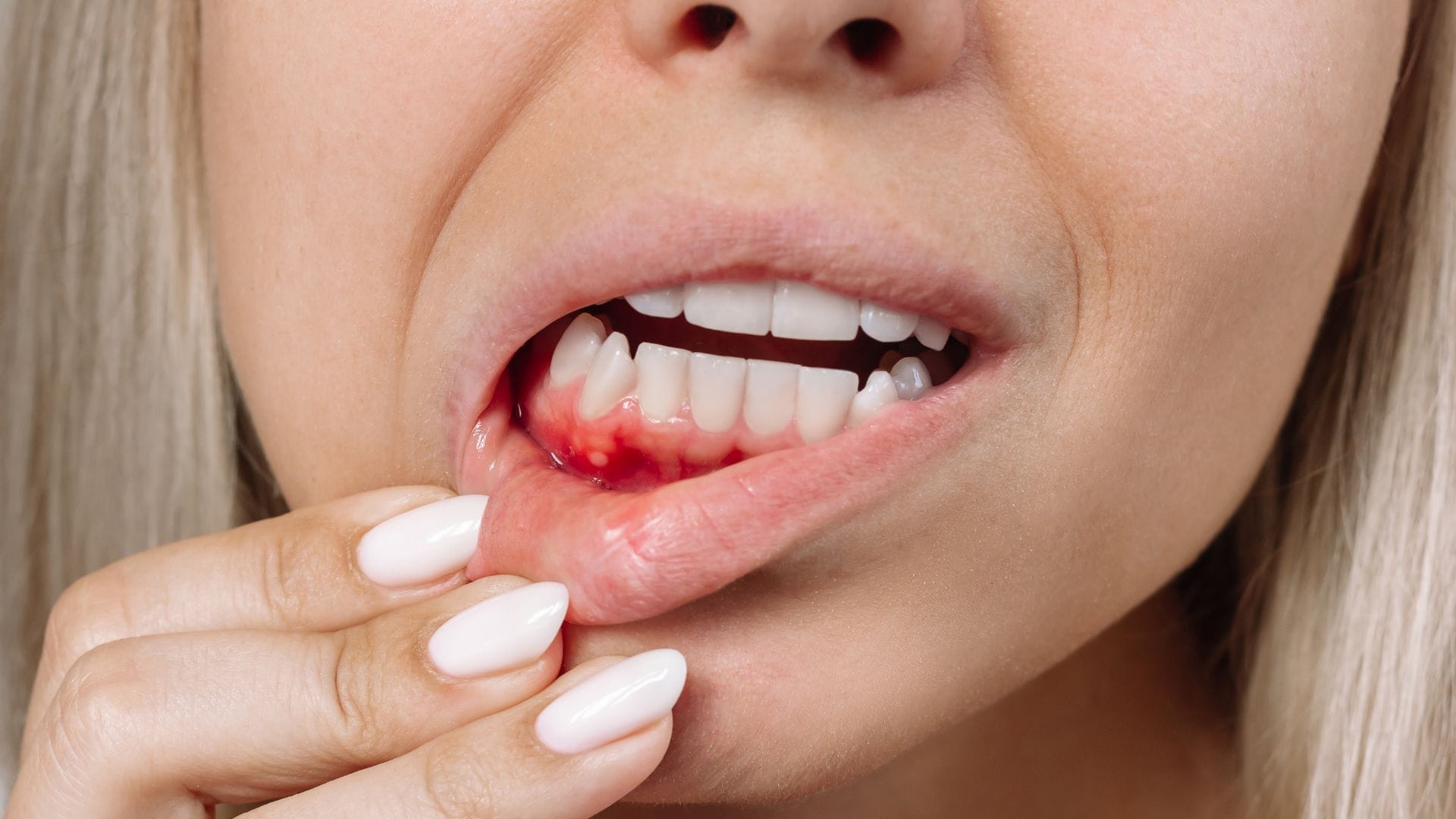
You brush your teeth one morning and notice pink in the sink. Your gums are bleeding, and you are pregnant. Before you panic, take a breath. Bleeding gums during pregnancy are more common than most people realize, and there are clear reasons why it happens. Understanding those reasons and knowing what to do about them can make a real difference for your oral health during pregnancy.
Why Do Gums Bleed During Pregnancy?
The short answer is hormones. During pregnancy, your body experiences a significant surge in estrogen and progesterone. These hormonal shifts affect nearly every system in your body, including your gums.
Progesterone, in particular, increases blood flow to your gum tissue and makes it more sensitive to the bacteria found in dental plaque. Even a small amount of buildup that would normally cause no issue can trigger inflammation, swelling, and bleeding. This condition is called pregnancy gingivitis, and it is one of the most common oral health concerns during pregnancy.
The Role of Dental Plaque and Bacteria
Dental plaque is a sticky film of bacteria that forms on your teeth and along the gumline throughout the day. When plaque is not removed through regular tooth brushing and dental flossing, the bacteria within it irritate the gum tissue. During pregnancy, your gums are already in a heightened state of sensitivity due to hormonal changes, which means they respond more aggressively to that bacterial irritation.
The result is inflammation, swelling, tenderness, and bleeding when you brush, floss, or have your gums checked during a dental exam.
Left untreated, pregnancy gingivitis can progress into periodontal disease, a more serious infection that affects the deeper structures supporting your teeth.
Morning Sickness and Tooth Enamel
Morning sickness adds another layer of risk. Frequent vomiting exposes your tooth enamel to stomach acid, which weakens the enamel over time. Weakened enamel increases susceptibility to tooth decay and makes your teeth more sensitive. It also alters the environment of your mouth in ways that can encourage the growth of harmful bacteria, worsening gum inflammation.
If you experience morning sickness, rinse your mouth with water or a gentle, alcohol-free fluoride mouthwash after vomiting rather than brushing immediately. Brushing right after acid exposure can actually accelerate enamel erosion. Wait about 30 minutes before brushing to give your enamel time to recover.
Food Cravings, Snacking, and Gum Health
Pregnancy often brings intense food cravings and more frequent snacking. While completely understandable, frequent snacking – especially on sugary or starchy foods – feeds the bacteria responsible for dental plaque and tooth decay. This increases the risk of both cavities and gum disease during an already vulnerable time.
Being mindful of your snack choices and rinsing your mouth with water after eating can help reduce that risk without requiring you to give up the foods your body is asking for.
What Is Pregnancy Gingivitis?
Pregnancy gingivitis is not just sore gums. It is a recognized medical diagnosis that affects a large percentage of pregnant people. Signs and symptoms include red, swollen gums that bleed easily when you brush or floss, tenderness along the gumline, and occasionally bad breath.
Pregnancy gingivitis can happen at any point during pregnancy, though it is often noticed more during the second and third trimesters. The good news is that it is largely manageable with proper oral hygiene and professional dental care.
When Gingivitis Becomes Something More Serious
If gingivitis is left untreated, the infection can spread below the gumline, leading to periodontal disease. This is where the condition becomes more medically significant. Research has established a link between periodontal disease in pregnant people and an increased risk of preterm birth and low birth weight.
The exact mechanism is still being studied, but the leading theory is that the bacteria and inflammatory markers from a gum infection can travel through the bloodstream and affect the fetus. This does not mean every case of bleeding gums will lead to complications – but it does underscore why prenatal general dental care is genuinely important, not just for your smile, but for your baby’s health.
What Is a Pyogenic Granuloma?
Some pregnant people develop a localized overgrowth of gum tissue called a pyogenic granuloma, sometimes referred to as a pregnancy tumor. Despite the alarming name, it is not cancerous. It is a benign, painless lump on the gum that bleeds easily and is triggered by the same hormonal and bacterial factors behind pregnancy gingivitis.
Pyogenic granulomas often resolve on their own after delivery. However, if one is causing significant discomfort or bleeding, a dentist can safely remove it during pregnancy.
Safe Remedies for Bleeding Gums During Pregnancy
The most effective remedies are also the most straightforward. Consistent oral hygiene is the foundation of managing pregnancy gingivitis.
- Use a soft-bristled toothbrush and brush gently twice a day using a fluoride toothpaste. Brands like Colgate offer fluoride toothpastes that are safe during pregnancy.
- Flossing once a day with dental floss removes plaque from between teeth that a toothbrush simply cannot reach.
- Rinsing with a gentle, alcohol-free mouthwash can also help reduce bacteria in the mouth without irritating already sensitive gum tissue.
- Avoid tobacco in any form – smoking increases the risk of periodontal disease and dramatically worsens gum health during pregnancy.
- Staying hydrated and eating a balanced diet support your immune system and reduces the bacterial environment in your mouth.
- If food cravings push you toward sugary snacks, try to follow them with water to rinse away residue.
Is It Safe to See a Dentist While Pregnant?
Yes – absolutely. This is one of the most important things to understand. Routine dental visits, including cleanings and exams, are not only safe during pregnancy but actively recommended.
The second trimester is generally considered the most comfortable time for dental treatment, but necessary dental care should not be delayed if you have pain, infection, or another urgent concern.
Your dentist can perform a thorough cleaning to remove plaque and tartar buildup that home hygiene cannot address. They can also monitor for signs of periodontal disease and provide guidance specific to your situation.
Regarding dental radiography, dental X-rays are generally avoided during pregnancy unless there is a clear clinical need. Modern digital X-ray technology minimizes radiation exposure significantly, and your dentist will use appropriate protective measures if imaging is necessary for your care.
When Should You Actually Call a Dentist?
If your gums are bleeding consistently, that is already reason enough to schedule a visit. But there are specific signs that indicate you should not wait.
- Gums that are bleeding heavily or do not stop bleeding after gentle brushing
- Visible swelling, pus, or signs of infection around a tooth
- Loose teeth or significant loss of gum attachment
- A new lump or growth on your gums
- Severe tooth pain that is affecting your ability to eat or sleep
These symptoms could indicate a more advanced stage of periodontal disease or another infection that warrants prompt attention. Delaying care during pregnancy does not protect your baby – in fact, untreated oral infections carry their own risks.
Take Bleeding Gums in Pregnancy Seriously
Bleeding gums during pregnancy are common, but they are not something to ignore. Hormonal changes, dental plaque, morning sickness, and shifting habits all play a role – and so does the care you choose to seek out. If you are in Edmonton and looking for a dentist who understands the nuances of prenatal dental care, the team at Dr. Molly Rodgers Dental offers gentle, judgment-free support. Call 780-463-8803 to schedule a visit and keep both your smile and your pregnancy on the right track.
