
ROOT CANAL THERAPY IN EDMONTON
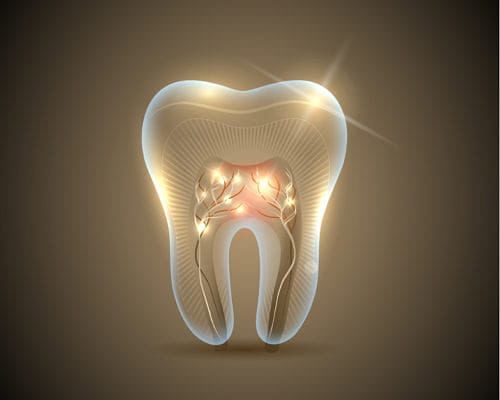
HOW DOES ROOT CANAL TREATMENT WORK?
When you make an appointment to visit our Canadian Dental Association-approved dentist, Dr. Molly Rogers, she will discuss with you everything you need to know about the dental procedure you will be having performed on you. For a root canal, the details may be a bit fuzzy for most people, so here are the basic steps in the endodontic treatment designed to save your natural tooth from having to be extracted:
- X-ray: The first step is to pinpoint the exact location of the affected area which is causing your inflammation and infection. This will ensure that the proper tooth is treated.
- Anesthesia: Because the root canal treatment process is definitely not a comfortable one, you will receive a local anesthesia to numb the area. Dr. Rogers will make sure that you have no feeling in the area before she begins. If you still feel sensitive, she may inject more anesthesia.
- Dam placement: Once you are fully numbed, our dentist will then place a thin, flexible sheet of latex called a rubber dam over the tooth to ensure it remains dry throughout the procedure.
- Pulpectomy: The pulp chamber must be accessed through an opening made in the crown of the tooth. Through this opening, the tooth's nerve (or dental pulp) is removed from the pulp chamber and the canal of each root of the tooth.
- Cleaning: Each canal is then cleaned, shaped, and disinfected in preparation for the filling material.
- Infection treatment: The dentist makes sure that the infection is taken care of by inserting medication into the chamber and root canals.
- Sealing: Following the medical treatment, the root canals are filled with a rubber-like material called gutta-percha for sealing.
- Temporary filling: To prevent infection of the canals, temporary root canal filling material is placed in the tooth.
- Permanent filling: Once the infection is gone, your dentist removes the previous filling in order to place a crown or permanent filling to give the tooth added strength and improved aesthetics.
Once the endodontic therapy is complete, you will be ready to go home, follow the care instructions, and get back to your normal, pain-free life.

Root Canal Therapy
When it comes to activities that people are most excited about engaging in, getting a root canal procedure done at their dentist's office probably does not come to mind. However, for those who are suffering from pain and discomfort deep in an infected tooth's root, the possibility of root canal treatment zooms to the top of the list. Root canal treatments have become a widely used therapy for treating an infected tooth rather than extracting it.
Root Canal Therapy (Endodontic Care) is necessary when the nerve tissue of the tooth is irreversibly damaged due to decay, trauma, or tooth fracture. Root canals are generally one-visit procedures that allow a patient to retain a tooth that would have been removed in the past.
Signs You May Need Root Canal Therapy
It isn't always obvious when a tooth needs root canal therapy rather than a filling. Common signs include:
Persistent or Severe Tooth Pain
Especially pain that lingers, throbs, or worsens when you bite down or chew.
Prolonged Sensitivity
Sharp pain or lingering discomfort when eating or drinking something hot or cold, even after the hot or cold item is gone.
Swollen or Tender Gums
Swelling near the affected tooth, or a small, recurring pimple-like bump on the gums.
Tooth Discoloration
A tooth that has darkened or turned grayish, which can signal damage to the nerve inside.
A Cracked or Chipped Tooth
Trauma that exposes the inner pulp to bacteria, even if the tooth doesn't hurt right away.
If you notice any of these signs, it's worth having Dr. Rodgers take a look before the infection has a chance to spread.
BENEFITS OF ROOT CANALS
The primary benefit of having a root canal treatment is that you are able to save infected teeth rather than extracting them. In the past, a decayed tooth would need to be taken out, and this could affect the adjacent teeth over time. Without the support of the previous tooth, the other teeth may begin to shift in place. This can be painful and cause you issues when chewing, eating, or talking.
Another benefit of root canal treatment is that the restored tooth can last a lifetime with proper at-home care, regular dental visits, and a good dental hygiene regimen which includes brushing teeth twice per day and flossing. You can also rest assured that you will likely not need other dental procedures on that tooth as long as you continue to care for it as instructed.
Is Root Canal Therapy Worth It?
For most patients, yes. Saving your natural tooth with root canal therapy generally costs less over time than extracting the tooth and later replacing it with a bridge, denture, or dental implant, and it avoids the bite and jaw bone changes that can follow tooth loss. A root canal also lets you keep chewing and speaking the way you always have, since nothing artificial is replacing the tooth itself, only the damaged nerve tissue inside it.
IS ROOT CANAL THERAPY PAINFUL?
Although the root canal gets a bad reputation for being very painful, it is really a matter of slight discomfort accompanied by an apprehension that makes the experience seem worse. We realize that the above treatment method is certainly going to cause some pain so that is why one of the first steps is anesthesia.
If a topical anesthetic or local anesthetic does not provide enough relief for a patient, we can also use nitrous oxide (laughing gas) or a prescription anti-anxiety medication (prescribed to you before the root canal) to calm your nerves. With laughing gas, many patients actually fall asleep through the whole procedure.
Recovery and Aftercare After Root Canal Therapy
Most patients feel some tenderness in the treated tooth and surrounding gum for a few days after treatment, especially when chewing. This is usually manageable with over-the-counter pain medication, though your dentist can prescribe something stronger if needed.
During recovery, avoid chewing on the treated tooth until your permanent crown or filling is in place, stick to softer foods if the area feels tender, and continue brushing and flossing normally around the tooth. Most patients are back to their normal routine within a few days. Contact us if you experience severe pain, swelling, or pressure that doesn't improve, as this could be a sign of infection.
Root Canal Therapy Cost in Edmonton and CDCP Coverage
The cost of root canal therapy depends on which tooth is affected, since molars have more canals to treat than front teeth, along with whether a crown is needed afterward. We recommend a consultation with our dentist so we can give you an accurate quote based on your specific tooth and treatment plan.
The federal Canadian Dental Care Plan (CDCP) lists endodontic services, including root canal therapy, among the services that may be covered for eligible patients, depending on your income and plan tier. If you are enrolled in the CDCP, contact our team to confirm what portion of your treatment may be eligible, and we will direct bill on your behalf for approved treatment. Patients who are not eligible for the CDCP can also ask about our in-house financing plan.
Frequently Asked Questions About Root Canal Therapy
CONTACT OUR DENTAL EXPERTS TO DISCUSS TREATMENT FOR THE ROOT CANAL SYSTEM
If you are an Edmonton, AB, resident who is suffering from pain from deep decay of the pulp tissue in one or more of your teeth, contact our dental staff at Dr. Molly Rogers Dental & Associates Dental Clinic. We are committed to providing you and your family with the best possible dental solutions, including root canal therapy. Our team understands the severe pain and discomfort that comes with infected pulp, and we are here to make sure you are able to live your life pain-free.
Contact us today to schedule an appointment with our skilled and experienced Edmonton dentist, Dr. Molly Rogers!
Our Dental Solutions
A dental bridge is a custom device anchored to neighbouring teeth that replaces one or more missing teeth. When a lost tooth is replaced, the teeth on either side of the missing tooth are prepared as crowns to serve as abutments to hold the prosthetic (replacement) tooth in place.
Today’s porcelain inlays and composite resins create fillings that are not only natural looking, but also stronger than materials of the past. Our practice does not use silver amalgam and will be happy to help you in replacing older, failing amalgam restorations with Metal-Free Restorations.
Root Canal Therapy (Endodontic Care) is necessary when the nerve tissue of the tooth is irreversibly damaged due to decay, trauma, or tooth fracture. Root canals are generally one-visit procedures that allow a patient to retain a tooth that would have been removed in the past.
Dentures are removable replacements for missing teeth. They look and feel as real as your natural teeth. Although, it takes a while for users to get used to their dentures, eventually, they prove extremely functional. There are two types of dentures available – complete dentures and partial dentures.
Have a Dental Emergency?
Reach out to the Dr. Molly Rodgers team today for brighter and healthier smiles!