
What Causes Gum Recession and How You Can Stop It Before It Gets Worse
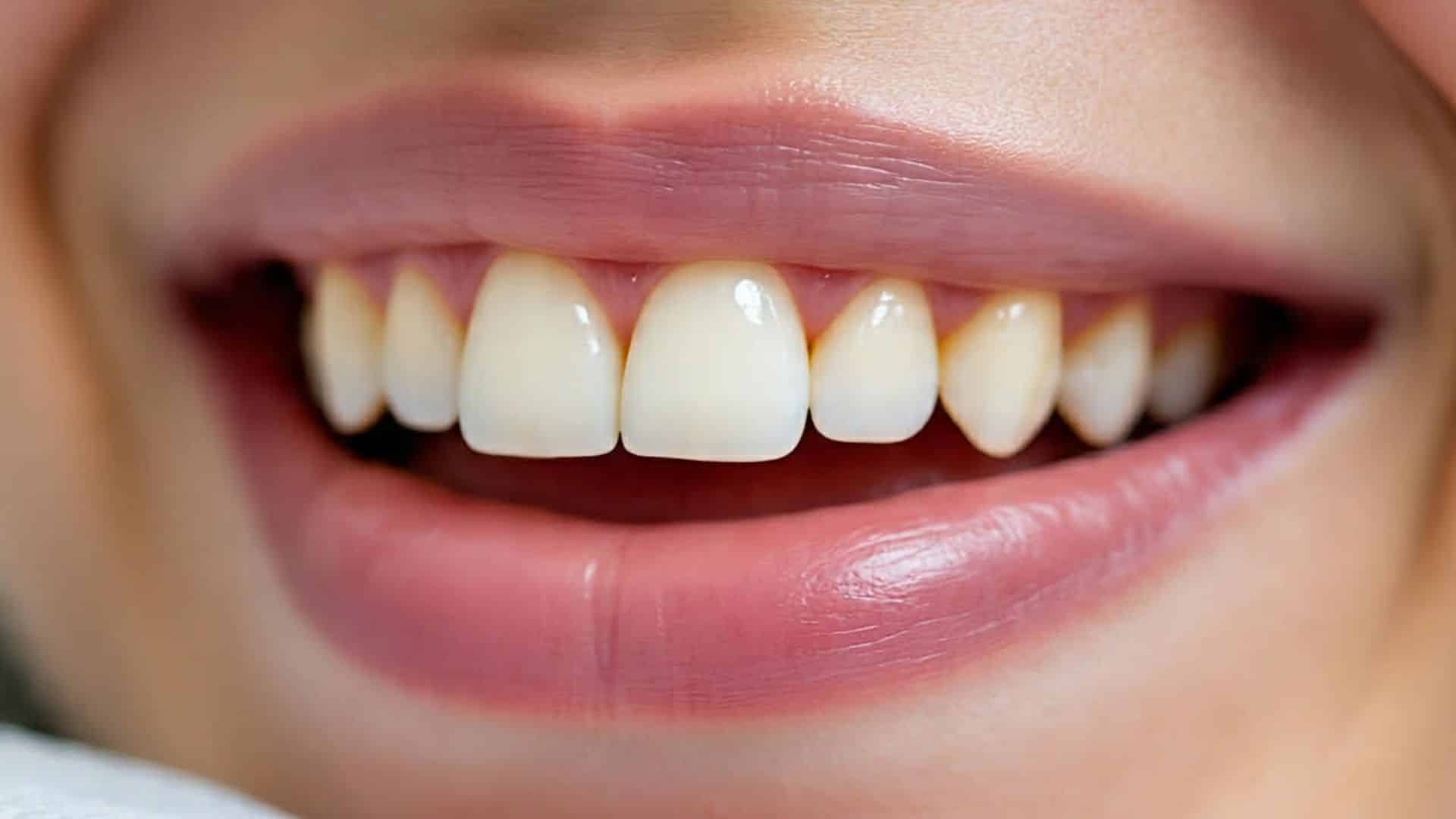 Gum recession is a common dental issue that many people in Edmonton experience without even realizing it. If you’ve noticed your teeth look longer, or your gums are pulling away from your teeth, you may be dealing with gum recession. So, what causes gum recession, and how do you stop it from getting worse?
Whether you’re already seeing signs or you’re just trying to prevent problems before they start, understanding the causes and available treatments is the first step to keeping your mouth healthy.
What Is Gum Recession?
Gum recession happens when the gum tissue surrounding your teeth wears away or pulls back.
This exposes more of the tooth or even the tooth root. Over time, it can affect your oral health and appearance, and if left untreated, it can even lead to tooth loss.
In simpler terms, your gums pull away from your teeth, which can make your teeth more sensitive and more vulnerable to damage.
Why Gums Recede: The Common Causes of Gum Recession
There isn’t just one cause of gum recession. In fact, there are several factors that can lead to gum recession, some of which might surprise you.
Poor Oral Hygiene and Gum Disease
Let’s start with gum disease – a major cause of gum recession. Gum disease (also called periodontal disease) starts with plaque – a sticky film of bacteria that forms on your teeth. If plaque isn’t removed through proper brushing, flossing, and professional cleanings, it hardens into calculus (also known as tartar).
The buildup of plaque and tartar causes:
- Gum inflammation (gingivitis)
- Infection
- Damage to the gum tissue and supporting bone
As the disease progresses, it can lead to gum recession and eventually tooth loss if not properly managed.
Aggressive Tooth Brushing
Brushing your teeth is essential, but brushing too hard or using a toothbrush with bristles that are too stiff can wear down the enamel on your teeth and cause your gums to recede.
Tooth brushing with too much pressure can:
- Damage the gum tissue
- Harm the enamel on your teeth
- Lead to gum recession over time
Genetics and Hormonal Changes
Some people may simply be more susceptible to gum disease and gum tissue breakdown, even with good oral hygiene. You may be predisposed to gum disease if your family has a history of it. Hormonal changes, such as those that occur during pregnancy or menopause, can also make gums more sensitive and more vulnerable to recession.
Misaligned Teeth or Bite Issues
Uneven pressure from misaligned teeth or an improper bite can put stress on the gums and supporting bone. This can cause your gums to pull away from the tooth surface, especially when combined with grinding or clenching (bruxism).
Common Causes of Receding Gums Include:
- Smoking or tobacco use
- Lack of proper dental care
- Teeth grinding or clenching
- Orthodontic appliances that irritate gums
- Trauma or injury to the gum tissue
- Hormone shifts, especially during pregnancy or menopause
- Certain medical conditions like diabetes
Signs and Symptoms: How to Know If Your Gums Are Receding
You might not notice your gums are receding right away. Often, gum recession is gradual. That said, there are a few signs you should watch for:
- Teeth look longer than usual
- Increased tooth sensitivity (especially to hot or cold)
- Tender or bleeding gums
- Exposed tooth roots
- Spaces forming between the teeth and gum line
- Loose or shifting teeth
If you think your gums are receding or you’ve noticed gum recession in the mirror, it’s best to book an appointment with your dentist for a full evaluation.
How Gum Recession Can Affect Your Oral Health
Gum recession can lead to much more than cosmetic concerns. When your gums recede, more of your tooth becomes exposed, which can cause:
- Increased risk of tooth decay and infection
- Tooth sensitivity due to exposed dentin or tooth roots
- Damage to the supporting bone and tissue
- Gum disease and gum recession worsening over time
- Loose teeth, tooth mobility, and even tooth loss
The gums and bones are essential for keeping your teeth in place. If they break down, tooth loss is a real risk.
How to Prevent Gum Recession
The good news is that gum recession can often be prevented with consistent care and a little know-how. Here’s what you can do to keep your gums healthy:
Practice Gentle but Thorough Oral Hygiene
- Brush your teeth twice a day using a soft-bristled toothbrush
- Don’t press too hard when you brush
- Floss daily to remove plaque between teeth
- Use an antiseptic mouthwash to reduce bacteria
Brushing and flossing the right way helps prevent gum disease and keeps both your teeth and gum tissue healthy.
Visit Your Dentist Regularly
Professional cleanings and exams can remove hardened plaque and identify early signs of gum problems. Regular checkups with your dentist or periodontist help deep-clean below the gum line and monitor gum health.
For those in Edmonton, our general dentistry services are designed to help with personalized care tailored to your needs.
Address Bite Issues or Teeth Grinding (Bruxism)
If you grind your teeth or have an uneven bite, your dentist may recommend:
- A custom night guard
- Orthodontic treatment
- Muscle-relaxing techniques or therapy
Reducing stress on the gums can prevent further recession.
Quit Smoking or Tobacco Use
Tobacco is a major risk factor for both gum disease and gum recession. Quitting will drastically improve your oral and overall health.
Manage Medical Conditions
Health issues such as diabetes or hormonal changes can affect your gums. Talk to your healthcare provider and dentist to ensure your oral hygiene is adapted to your health needs.
Treatment Options for Receding Gums
Once gums have receded, they cannot grow back on their own. However, there are effective treatment options that can stop further damage and restore gum health.
Scaling and Root Planing
A deep cleaning procedure where the dentist removes plaque, tartar, and bacteria from below the gum line and smooths the tooth root to encourage gum reattachment.
Tooth scaling and root planing is especially helpful in early to moderate stages of gum recession.
Gum Grafting Surgery
Grafting takes healthy gum tissue (often from the roof of your mouth) and attaches it to the areas of gum recession. This is often recommended when there’s not enough gum tissue to support the tooth.
Gum grafting also improves appearance and reduces sensitivity in affected areas.
Regenerative Procedures
In severe cases, regenerative techniques help rebuild the bone and tissue lost due to gum disease. This can include:
- Bone grafting
- Tissue regeneration therapy
- Flap surgery
These procedures may be performed by a dentist or gum specialist (periodontist).
When to Talk to Your Dentist
If you:
- Notice areas of gum recession
- Feel pain or sensitivity near the gum line
- Are concerned about how your teeth look
- Want to prevent gum recession before it starts
Then it’s time to speak with your dentist. Early intervention is key in preventing tooth loss and improving long-term oral health outcomes.
Your Edmonton dental team can assess your level of gum recession, identify the underlying causes, and recommend personalized gum recession treatment.
Conclusion: Take Action to Stop Gum Recession
Dealing with gum recession is more common than you might think, but you don’t have to face it alone. Understanding what causes gum recession – from brushing too hard to gum disease and genetic factors – allows you to actively protect your gum health.
To recap:
- Practice gentle but effective oral hygiene
- Visit your dentist regularly
- Tackle dental issues like misaligned teeth or bruxism early
- Quit tobacco use
- Don’t ignore the signs – early action can prevent further recession and tooth loss
If you’ve noticed gum recession or have concerns about your gum and dental health, talk to your local Edmonton dental provider. Identifying and treating problems early is the best way to keep your smile strong, healthy, and pain-free.
Want help keeping your gums healthy? Explore our general dentistry services to get started.