
When to Start Flossing Baby Teeth (and How to Make It Super Easy)
 As a parent, you want to do everything possible to keep your child’s teeth healthy. Brushing teeth is often top of mind, but many parents are unsure when exactly they should start flossing their little one’s baby teeth. If you’re wondering whether it’s too early or too late to introduce floss into your child’s routine, you’re in the right place.
Let’s break it down step by step so you can feel confident about protecting your child’s oral health now and in the future.
When Should Your Child Start Flossing?
The simple answer: as soon as their baby teeth start to fit closely together.
This usually happens around age 2, although it can vary depending on your child’s development. If food particles get trapped between baby teeth or if your toddler’s teeth are touching, it’s time to start flossing your children’s teeth.
Why Start Flossing Baby Teeth?
Flossing is important even in early childhood because:
- Toothbrushes can’t always reach between closely spaced teeth
- Dental floss helps remove plaque and food particles that brushing alone misses
- It helps prevent tooth decay, gum disease, and early cavity formation
By starting early, you build a strong foundation of good oral hygiene habits that will stick as your child grows and their permanent teeth come in.
The Importance of Flossing: More Than Just Clean Teeth
Many parents ask if flossing baby teeth is really necessary. The answer is yes – and here’s why:
- Plaque buildup between teeth leads to gum inflammation, bleeding, and long-term issues like periodontal disease
- Flossing helps reduce bacteria and debris in the mouth, keeping baby teeth – also called deciduous teeth – healthy until permanent teeth erupt
- Establishing a habit now teaches your child how to floss correctly before adult teeth arrive
At Edmonton Smiles by Dr. Molly Rogers, we often see young patients with early signs of gingivitis simply because they missed this important step. Our team helps educate families on how to begin flossing and follow consistent routines for better dental health.
How to Floss Your Child’s Teeth: Simple Steps That Work
If you’re ready to floss your child’s teeth, here’s how to get started:
- Pick the right tool – Start with kid-friendly floss like floss picks or water flossers. These are often easier for children who are just learning.
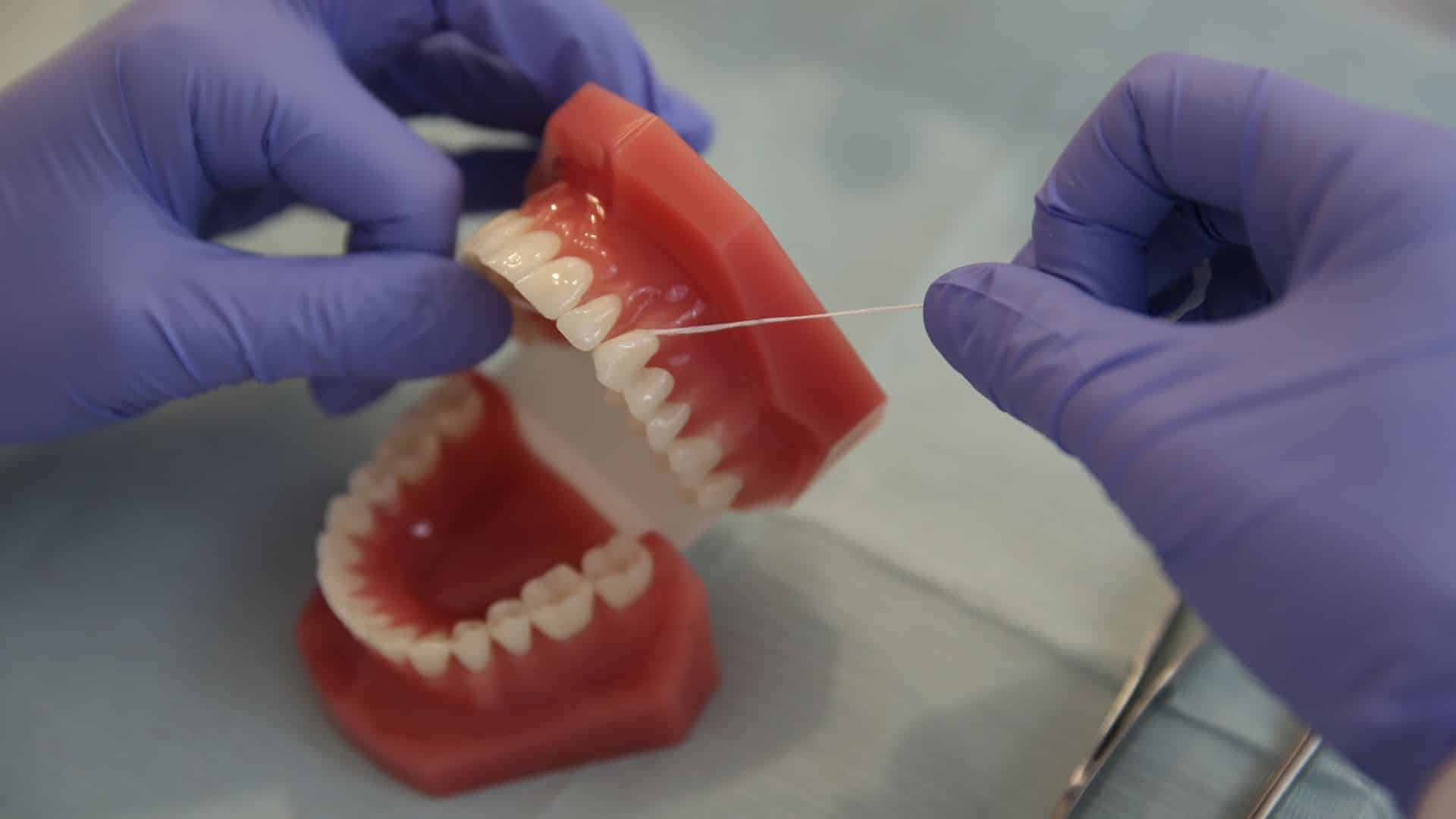
- Use proper technique – Hold the floss tightly using your index fingers to guide the floss and gently move the floss between teeth. Be sure to curve the floss around each tooth and move the floss along the gum line to capture hidden debris.
- Start slow – If your child resists, begin with just one or two teeth and work up to the full mouth.
- Let your child try – When they’re ready, allow them to try using flossers under your supervision. Kids typically become able to floss on their own around the age of 10.
Learning How to Floss Can Be Fun
To help your child to floss regularly, try a few tricks to make flossing fun:
- Turn it into a game or part of a bedtime routine
- Praise your child for effort, not perfection
- Use colorful or flavored flossing tools that appeal to kids
- Play a short song while flossing to make it routine
The goal is to help your child brush and floss without stress or frustration.
Make Flossing Easier with the Right Tools
Flossing doesn’t have to be a battle. These tools can make flossing easier:
- Water flossers (also called oral irrigators) that gently rinse between teeth
- Flossers with handles designed for small hands
- Traditional dental floss for parents to use until kids can manage on their own
- Floss pick options that simplify technique
Consistency is more important than perfection. Starting early allows your child to learn to floss without fear or discomfort.
When to See a Pediatric Dentist
If you’re unsure about flossing your baby’s teeth, or if your child’s gums bleed frequently, speak with a professional. A pediatric dentist in Edmonton can guide you through each stage and check for early signs of tooth decay or gum disease.
At Edmonton Smiles Pediatric Dentistry, we help parents and kids build strong oral habits, from brushing and flossing to scheduling regular checkups.
Final Thoughts: Keep Your Child’s Smile Healthy
The time to start flossing is when your child’s baby teeth start to fit closely together – typically around age 2. Flossing is a small step that creates a big impact on your child’s future oral health.
Start flossing your child’s teeth today, use the right tools, and make it part of their oral hygiene routine. If you need help or guidance, don’t hesitate to reach out to a local dental professional. By teaching your child the importance of flossing now, you’re setting the stage for a lifetime of healthy teeth and happy smiles.
Want more tips on how to keep your child’s teeth clean? Follow along for more expert insight, or schedule a visit with our team to get personalized help for your family’s dental care journey.