
What to Eat After a Tooth Extraction: Best and Worst Foods for Healing
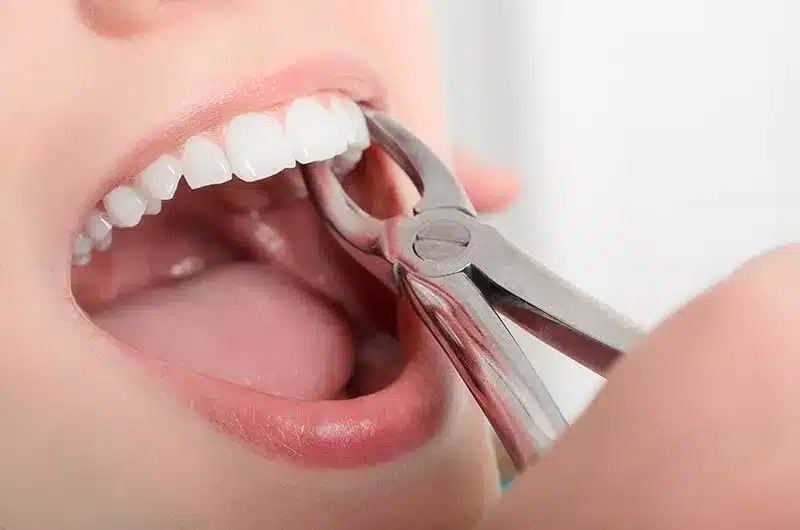
Tooth extraction is a common dental procedure that creates an open wound in the mouth. What you eat during recovery plays a major role in how quickly and comfortably you heal. Eating the right foods can support tissue repair, while the wrong choices may delay healing or lead to infection.
Why Diet Matters After an Extraction
After a tooth is removed, a blood clot forms in the socket. This clot is essential—it protects the bone and nerves underneath. If it becomes dislodged, it can result in dry socket, a painful condition that slows recovery. That’s why your post-extraction diet should be gentle, nourishing, and low-risk.
Best Foods to Eat After a Tooth Extraction
Choosing soft, hydrating, and nutrient-rich foods will protect your healing site while giving your body what it needs to repair tissue and fight infection.
1. Soft Foods
Soft foods are easy to chew and won’t put pressure on the extraction site. They’re safe and comforting during the first few days.
- Mashed potatoes
- Applesauce
- Yogurt
- Scrambled eggs
- Cottage cheese
- Smoothies without seeds
- Oatmeal
2. Soups and Broths
Warm—but not hot—soups and broths provide hydration and essential nutrients. Be sure they are smooth and not chunky to avoid chewing.
3. Blended Vegetables
Steamed and pureed vegetables offer important vitamins and minerals. Blended carrots, peas, or squash are easy on your mouth and support healing.
4. Protein-Rich Foods
Protein helps your body repair tissue. Choose soft protein sources that don’t require much chewing.
- Tofu
- Well-blended soups with lentils
- Soft fish
- Protein shakes (no nuts or seeds)
5. Cool Foods
Cold foods can help reduce swelling and provide relief. Just remember not to use a straw, as suction can dislodge your clot.
- Ice cream without chunks
- Smooth frozen yogurt
- Pudding
Foods to Avoid After a Tooth Extraction
Some foods can irritate the socket, dislodge the clot, or even cause infection. It’s best to avoid these entirely during recovery.
1. Crunchy and Hard Foods
Small, hard pieces can get lodged in the wound or scrape the sensitive area.
- Chips
- Nuts
- Popcorn
- Raw vegetables
2. Spicy Foods
Spices may burn or irritate the open socket and surrounding tissues.
3. Sticky or Chewy Foods
These foods can pull at the clot or become trapped, increasing the risk of dry socket.
- Gum
- Caramel
- Sticky rice
4. Hot Foods and Drinks
Heat can dissolve or loosen the clot. Stick to lukewarm or cold options, especially in the first 48 hours.
5. Acidic Foods and Drinks
Acidic items can irritate your healing tissues and increase discomfort.
- Citrus fruits
- Tomatoes
- Vinegar-based dressings
- Soda
6. Alcohol
Alcohol interferes with your body’s healing process and may react with prescribed pain medication.
7. Caffeinated Beverages
Caffeine can lead to dehydration. Drink water instead to keep your body and mouth hydrated.
Eating Schedule After Tooth Extraction
A structured eating plan helps you transition back to your regular diet safely and gradually.
First 24 Hours
Stick to liquids and soft foods. Avoid chewing on the extraction side. Do not use a straw.
Days 2 to 3
Continue with soft foods and begin adding more nutrient-rich options like eggs, oatmeal, and blended soups. Rinse gently after eating.
Days 4 to 7
If healing is progressing well, you can begin to introduce slightly firmer foods like pasta or rice. Avoid anything crunchy or sharp.
After One Week
If there is no pain or swelling, you may return to your regular diet slowly. Still avoid sticky or hard foods if the area remains sensitive.
Signs to Watch For
Sometimes complications occur. If you experience any of the following, contact your dentist right away.
- Severe pain after day 3
- Bad smell or taste
- Visible bone in the socket
- Swelling that worsens
These may be signs of dry socket or infection and need immediate care.
Supporting Healing Through Hydration
Water is essential for recovery. Staying hydrated helps flush out food particles and keeps tissues healthy. Avoid sugary drinks and carbonated sodas in the first few days. Stick with water and gentle rinses as recommended by your dentist.
Recovery Support in Edmonton
Dr. Molly Rodgers Dental in Edmonton provides post-extraction care and support to help you heal safely. Their team gives patients clear recovery instructions, including what to eat and avoid during the healing process.
If you have concerns after an extraction or want a follow-up checkup, they’re here to help. From simple extractions to complete recovery care, their office is committed to protecting your oral health.
Need help after a tooth extraction in Edmonton? Contact Dr. Molly Rodgers Dental today for trusted care that keeps your recovery on track.