
How To Fix Facial Asymmetry From Chewing On One Side Naturally And Effectively
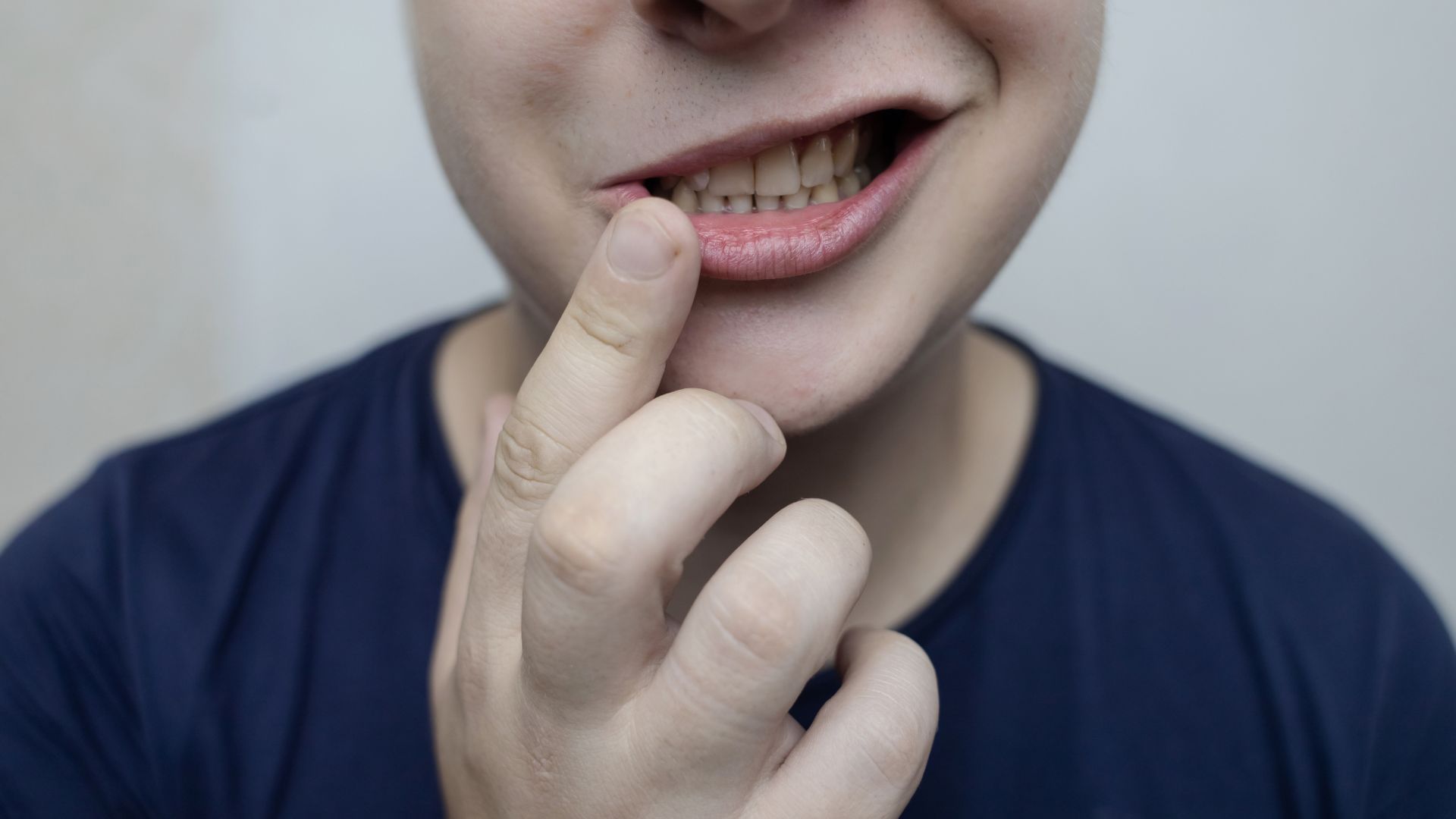
Have you ever looked in the mirror and noticed that one side of the face looks slightly different from the other? Maybe your jawline seems fuller on one side, or one cheek appears more developed. If you tend to chew on one side more than the other, that habit could be playing a bigger role than you think.
The good news is that facial asymmetry caused by uneven chewing is something you can work on. With the right awareness, facial exercise routines, and some professional support, you can improve balance over time.
What Causes Facial Asymmetry From Chewing On One Side
One of the main muscles involved in chewing is the masseter muscle, which sits along the side of the jaw. When you consistently chew on one side, the muscles on that side get more of a workout. Over time, this creates a visible imbalance – one side becomes noticeably more developed while the weaker side stays less developed.
This is a form of muscle imbalance that shows up in the lower face. It is not the same as skeletal asymmetry, which comes from bone structure or genetics. Muscular asymmetry from chewing habits is more flexible and more responsive to correction.
Other Causes Of Asymmetrical Face Development
Chewing on one side is not the only culprit. A few other causes of asymmetrical face changes include:
- Sleeping on one side regularly, which puts pressure on the skull and jaw
- Poor head posture or neck tension that pulls the jaw out of alignment
- Bruxism, or teeth grinding, which can overwork jaw muscles unevenly
- Jaw misalignment or a crooked bite, sometimes called a crossbite
- TMJ issues, specifically temporomandibular joint dysfunction, which causes discomfort and uneven jaw movement
- Improper tongue posture, where the tongue does not rest on the roof of your mouth
Understanding the cause matters because it shapes the approach. Genetics and bone structure are harder to address without intervention, but muscular imbalance responds well to lifestyle changes and targeted habits.
How To Fix An Asymmetrical Face Naturally
Start By Chewing On Both Sides Equally
The most direct way to correct jaw asymmetry caused by one-sided chewing is to consciously chew on both sides. If you normally chew on your right side only, make a deliberate effort to chew on the weaker side too. It feels awkward at first, but with practice, it becomes natural.
Chewing gum can actually be a useful tool here. Putting your right-side chewing tendency aside, try using gum to strengthen the left side by focusing your chewing there helps rebuild muscle balance. Keep sessions short – around five minutes – and stay consistent.
Use Facial Exercise To Rebuild Balance
Targeted facial exercise routines can help correct jaw asymmetry over time. These exercises work the facial muscles on the weaker side to bring them up to match the stronger side.
A few approaches worth trying:
- Jaw resistance exercise – Place your hand gently against the side of the jaw and push lightly while opening and closing your mouth. This activates the lower jaw and surrounding muscles.
- Cheek puff exercise – Fill one cheek with air and hold it, then switch. This works the facial muscles symmetrically.
- Tongue posture correction – Rest your tongue flat against the roof of your mouth with your lips closed. This supports proper jaw alignment and reduces uneven jaw tension.
These exercises will not produce overnight results, but you can see results within weeks if you are consistent and mindful.
Address Your Posture And Sleeping Habits
Your head posture and how you sleep directly affect your jaw and facial symmetry. If you always sleep on one side, try alternating sides or sleeping on your back. This reduces the long-term pressure on one side of the skull and the jaw.
For posture, keep your head upright and your chin parallel to the floor. Letting your head tilt or jut forward creates tension in the neck and jaw muscles that feeds into uneven jaw alignment.
When To Seek Professional Help
Natural approaches work well for muscular asymmetry, but some situations call for professional assessment to achieve a more balanced outcome.
Dental And Orthodontic Options
An orthodontist can help if your asymmetry stems from an uneven jaw alignment or bite issue.
Braces or other orthodontic correction methods can reposition the teeth and mandible to improve facial balance. A dental professional can also assess whether TMJ care – the temporomandibular joint – is contributing to your asymmetry and recommend appropriate therapy.
A night guard may be recommended if bruxism is overworking your jaw muscles during sleep, causing one-sided muscle growth.
Botox and filler treatments
Botox is a well-known cosmetic option for reducing jaw asymmetry. A Botox injection into the overdeveloped masseter muscle can reduce its size over time, making the larger side appear more balanced with the weaker side. This is a temporary but effective solution that does not require surgery.
Dermal filler can also be used to add volume to the less developed side, creating the appearance of facial balance without altering the underlying structure. Both options should be discussed with a qualified dental or medical professional.
TMJ Care And Physical Therapy
If temporomandibular joint dysfunction is contributing to your asymmetry, TMJ care and physical therapy can reduce jaw tension, improve muscle function, and help correct the imbalance over time. At Dr. Molly Rodgers Dental, the team offers headache management and TMJ care to help patients address these underlying issues in a supportive, comfortable setting.
Wellness And Long-Term Maintenance
Fixing an uneven face takes consistency. Once you begin to improve facial symmetry through exercise and better habits, maintaining those gains requires ongoing attention to how you chew, sleep, and hold your posture.
Regular dental checkups also play a key role. Catching bite issues, tooth wear from bruxism, or TMJ problems early means you can address them before they create or worsen asymmetry.
Conclusion
Facial asymmetry from chewing on one side is more common than most people realize, and it is very possible to improve with the right approach. Start with awareness – notice how you chew, how you sleep, and how you hold your jaw. Add in facial exercise and posture corrections, and consider professional dental support if the imbalance is significant. If you are in Edmonton and want guidance, the team at Dr. Molly Rodgers Dental is here to help. Call 780-463-8803 or visit edmontonsmiles.net to get started.
