
How Do I Know If My Jaw Pain Is From Wisdom Teeth? 5 Clear Signs
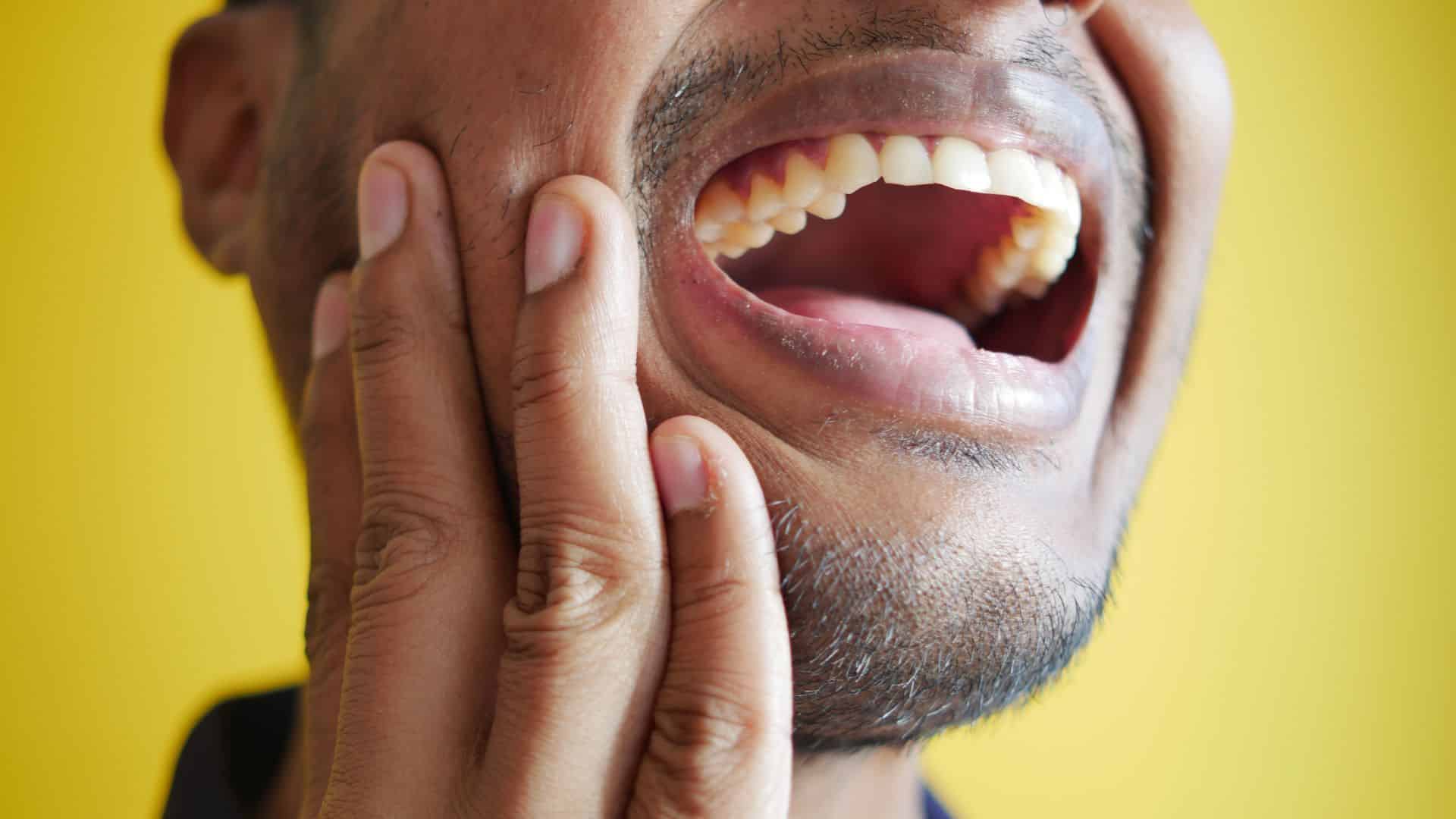 If you’re experiencing jaw pain and wondering if it might be related to your wisdom teeth, you’re not alone. This type of discomfort is common for adults between the ages of 17 and 25 – the age range when wisdom teeth typically emerge. But it’s not always clear when the pain in your jaw is caused by these third molars or something else.
In this article, we’ll explore the key signs, causes, and treatment options that can help you understand if your jaw pain is due to wisdom teeth. Plus, we’ll guide you on when to see a dentist and how to protect your long-term oral health.
Understanding Wisdom Teeth and Why They Can Cause Jaw Pain
Wisdom teeth, also known as third molars, are the last set of adult teeth to develop. They typically erupt in the very back of your mouth, two on the top and two on the bottom.
The problem? Many mouths don’t have enough room to accommodate them. When there isn’t enough space, wisdom teeth can become impacted, which means they don’t fully erupt or grow at an angle.
Why Impacted Wisdom Teeth Can Cause Problems
Impacted wisdom teeth can cause pain and inflammation in surrounding tissues. This may lead to:
- Pressure against neighboring teeth
- Gum infection (pericoronitis)
- Jawbone irritation
- Tooth decay in adjacent teeth
- Cysts or even nerve damage in rare cases
All of these issues can result in jaw discomfort, inflammation, and pain that can radiate throughout your jaw area.
5 Warning Signs Your Jaw Pain Is Related to Wisdom Teeth
So how do you know if your jaw pain is due to wisdom teeth? Here are five clear signs to watch for:
Pain in the Back of Your Mouth
Most wisdom teeth come in at the very back of your jaw. If you’re feeling pain or swelling there, it may signal problems with emerging or impacted teeth. This kind of pain often intensifies while chewing, biting, or moving your jaw.
Swelling and Tender Gums Near Your Molars
Gums surrounding problematic wisdom teeth may become red, swollen, or tender. This could be a sign of bacterial infection or other inflammation caused by partially erupted teeth trapping food and debris.
Difficulty Opening Your Mouth or Jaw Stiffness
Limited jaw movement or stiffness – especially when accompanied by swelling in the jaw – is another sign of impacted wisdom teeth or irritation to the temporomandibular joint (TMJ).
Persistent Headaches or Ear Pain
Believe it or not, problems with wisdom teeth can cause headaches. The pressure and pain from impacted teeth may irritate nearby nerves, leading to symptoms similar to temporomandibular joint dysfunction. Explore more about this with our headache and TMJ treatment page.
Jaw Pain That Doesn’t Go Away
If you’re experiencing jaw pain that doesn’t resolve with rest, warm compresses, or over-the-counter pain relievers like ibuprofen or naproxen, it could be related to wisdom teeth.
Persistent pain is your body’s signal that it’s time to seek dental care.
What Causes Jaw Pain From Wisdom Teeth?
The most common causes of jaw pain due to wisdom teeth include:
- Impacted teeth – When teeth become impacted, they can press against other structures in the jaw.
- Tooth eruption – As wisdom teeth erupt, they may pull or push on the gum line or surrounding tissue.
- Infection – Partially erupted wisdom teeth can trap food and bacteria, leading to pericoronitis or periodontal disease.
- Misalignment – Wisdom teeth may push adjacent teeth, leading to misalignment, pressure, and toothache.
- Cysts or bone damage – Untreated, impacted wisdom teeth can lead to cyst formation in the jawbone, requiring surgical removal.
When Wisdom Teeth Cause Problems With Surrounding Teeth
Even if your wisdom teeth aren’t currently causing pain, they might still cause problems. Wisdom teeth can cause your teeth to shift, especially if they grow in crooked or at odd angles.
This misalignment can damage neighboring teeth and affect your bite.
Early detection through a physical examination and X-ray can help your dentist determine if your wisdom teeth may cause jaw or dental issues down the road.
Treatment Options If You Have Symptoms of Wisdom Teeth Issues
If your wisdom tooth becomes a source of pain or infection, your dentist may recommend dental extraction. Wisdom teeth extraction is a common procedure and can prevent future issues with your oral health.
What to Expect from Wisdom Teeth Extraction
- Your dentist or oral surgeon will first review X-rays to assess the position of the teeth.
- If the teeth are partially erupted or impacted, surgical removal may be necessary.
- Recovery takes about one to two weeks and includes managing swelling, avoiding hard foods, and practicing good oral hygiene.
Your dentist will also discuss options like sedation, aftercare, and monitoring for complications like dry socket (alveolar osteitis).
Frequently Asked Questions
Who usually needs wisdom teeth removed?
Most people between the ages of 17 and 25 will need their wisdom teeth removed if they’re impacted, partially erupted, or causing issues with bite and alignment.
Can wisdom teeth cause headaches and nerve pain?
Yes. Wisdom teeth can compress nearby nerves, including those feeding into the jaw joint, ear, and even the head. This pressure may trigger tension headaches or even symptoms similar to peripheral neuropathy.
Are there natural ways to reduce wisdom tooth pain?
Warm saltwater rinses, applying ice packs, and taking ibuprofen can help temporarily manage mild wisdom tooth pain. However, dental treatment is often needed for long-term relief.
When to See a Dentist in Edmonton
Sometimes, wisdom teeth don’t cause any discomfort at all. But when they do, especially if the pain persists, it’s time to make an appointment with your dentist.
You should seek dental care if you experience:
- Pain in the back of your jaw or mouth
- Red, swollen, or bleeding gums
- Difficulty moving your jaw or opening your mouth
- Signs of infection like fever or bad breath
- Shifting teeth or bite misalignment
Your dentist in Edmonton can assess your dental health, take necessary X-rays, and recommend whether you need wisdom teeth removal.
Why Wisdom Teeth May Need to Be Extracted Early
Catching issues early can significantly reduce your risk of complications. Wisdom teeth can cause damage to healthy teeth, misalignment, and even bone damage if left untreated.
Removing your wisdom teeth early – before they fully develop or become impacted – is one way to prevent future dental problems.
In addition, early removal may lead to quicker recovery and fewer complications.
Don’t Ignore Pain Related to Wisdom Teeth
Your jaw pain may seem minor now, but if it’s caused by impacted wisdom teeth, ignoring it can lead to bigger problems – like infection, tissue damage, or tooth loss. Remember, wisdom teeth can cause jaw pain, crowding, pressure, and even nerve irritation.
The sooner you get to the root of the issue, the better your chances of protecting your dental health and avoiding surgical complications.
What Else Can Help You Maintain Good Oral Health?
In addition to monitoring your wisdom teeth, maintaining daily oral hygiene is essential.
Brushing, flossing with dental floss, and regular dental checkups help prevent decay and inflammation in gums and teeth.
Curious about cosmetic dentistry, teeth whitening, or missing teeth solutions? Your dental care provider in Edmonton can help with comprehensive treatment plans customized for your needs.
Conclusion: Take Action for Relief From Wisdom Tooth Pain
Understanding wisdom teeth and the symptoms of wisdom-related jaw pain gives you the power to address the problem early. If you’re experiencing jaw pain, gum discomfort, or other signs discussed here, don’t wait.
Make an appointment with your dentist in Edmonton to evaluate whether wisdom teeth are the cause and discuss the best treatment option for you. Your future self – and your jaw – will thank you.