
Gum Inflammation vs Infection: Key Differences, Symptoms, and When to See a Dentist
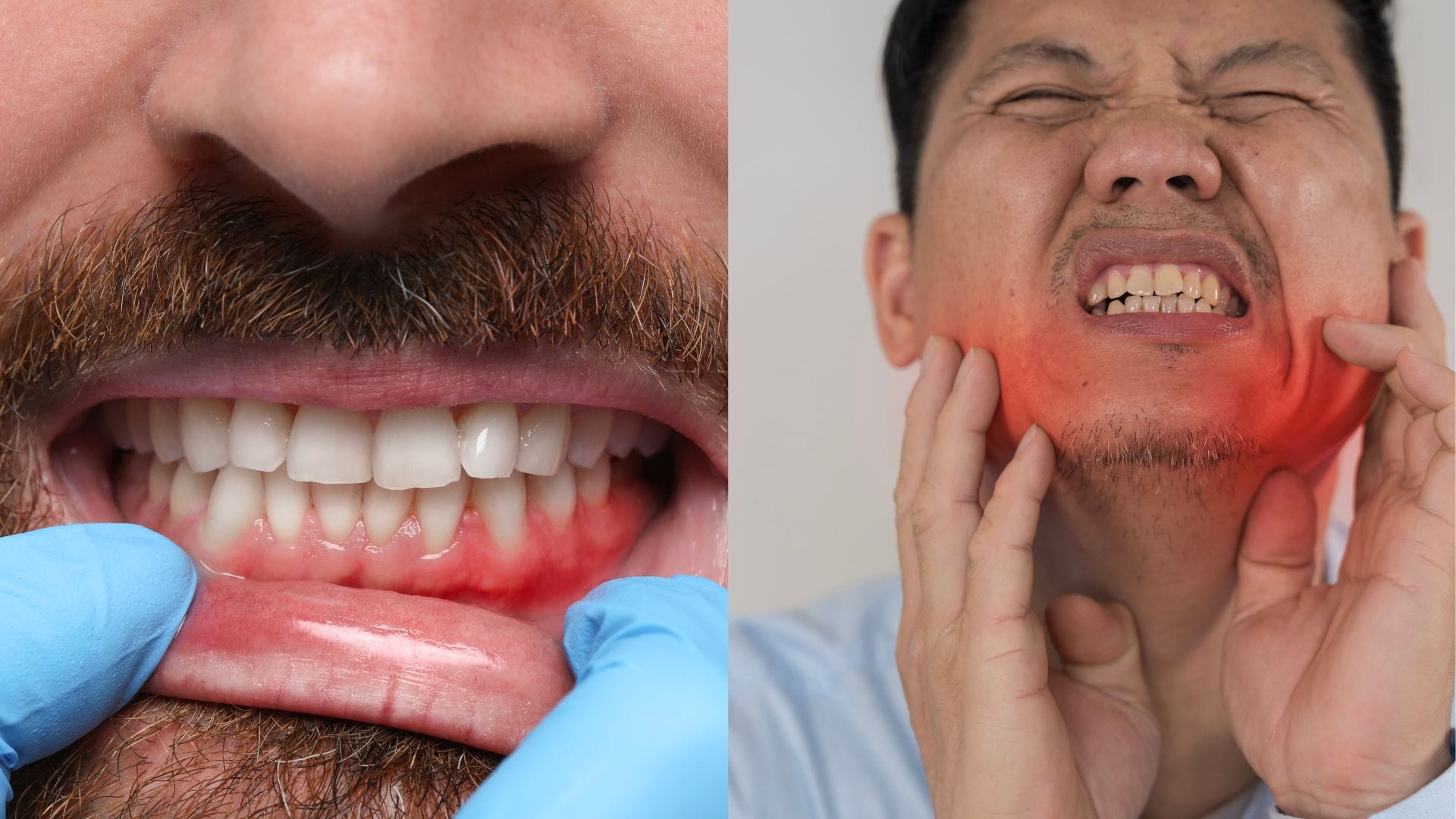
Your gums feel sore. Maybe they bleed a little when you brush. Or perhaps there’s a dull throb that just won’t quit. It’s easy to brush it off as nothing serious, but understanding the difference between gum inflammation and a gum infection could genuinely save your teeth and your overall health.
Let’s break it down in plain language.
What Is Gum Inflammation?
Gum inflammation is your body’s immune response to irritants along the gum line. When dental plaque builds up on your teeth, oral bacteria trigger an immune response that causes your gum tissue to become red, swollen, and tender. This is often the early stage of gum disease, clinically known as gingivitis.
The good news is that at this stage, the damage is usually reversible. Healthy gums are firm and pale pink. When you start seeing signs of inflammation, like puffiness, bleeding gums when you brush or floss, or mild sensitivity, your body is sending an early warning.
Common Signs of Gum Inflammation
- Redness or swelling along the gum line
- Bleeding when you brush or floss
- Tenderness when touching the gum tissue
- Early signs of bad breath
- Gums that look puffy or inflamed around the tooth
Inflammation on its own does not always mean infection. But chronic inflammation from gum disease, if ignored, can progress into something far more serious.
What Is a Gum Infection?
A gum infection goes deeper. It typically involves bacteria actively invading the tissue, bone, or space surrounding your teeth. This is where things get more urgent.
One of the most serious forms is a periodontal abscess, which is a pocket of pus that forms in the gum tissue as a direct response to infection. Dental abscesses can also develop at the root of a tooth due to untreated decay or a cracked tooth; this is where the difference between gum inflammation and a true dental infection becomes critical.
A bacterial infection in the gum or jaw does not resolve on its own. Left untreated, a gum infection may spread to surrounding tissue, the jawbone, or even the bloodstream, which can lead to serious complications affecting your heart, kidneys, and overall health. Research has linked chronic periodontal disease to conditions including cardiovascular disease, type 2 diabetes, stroke, and even Alzheimer’s disease.
Signs of Gum Infection You Should Not Ignore
- Throbbing pain or a persistent ache in the gum or jaw
- Pus or discharge around the tooth or surrounding gum
- A bad taste or strong bad breath that keeps coming back
- Swelling in the cheek or jaw
- Fever or general feeling of being unwell
- Sensitivity to hot and cold temperatures
- Pain may worsen when you bite down
If you are experiencing any of these, this is a sign of an infection that requires immediate dental attention. Do not wait.
Gum Inflammation Vs Tooth Infection: What Is the Difference?
Understanding the difference between gum inflammation and a tooth or gum infection comes down to depth and severity. Inflammation is typically a surface-level immune reaction, often triggered by plaque buildup, poor brushing and flossing habits, smoking, stress, medications, or even genetics.
A tooth and gum infection, on the other hand, involves active bacterial invasion. This can result from untreated gum disease that has advanced to periodontal disease, a cavity that has reached the pulp of the tooth, or trauma to the mouth.
Tooth infections often cause throbbing pain and extreme sensitivity to hot and cold. Gum infections may present with pus, swelling, and fever. Both need professional treatment to prevent the infection from spreading further.
How a Dentist Diagnoses and Treats Each Condition
Recognizing the signs early matters, but getting a proper diagnosis is what leads to appropriate treatment. When you visit the dentist, the dental team will examine your gums, probe the periodontal pockets, and may take an X-ray or a series of X-rays to assess whether the infection has affected the bone.
For gum inflammation and early-stage gum disease, treatment usually starts with professional dental cleanings by a dental hygienist combined with improved oral hygiene at home. Your dentist may also recommend more frequent dental cleanings to control plaque and calculus buildup.
For a more advanced gum infection or periodontal abscess, treatment options may include draining the abscess, scaling and root planing, antibiotics, or, in some cases, root canal treatment if the infection has spread to the tooth pulp. Prompt treatment is essential here, as symptoms can help guide the urgency of care needed.
If you need an explanation of root canal therapy options, the team at Edmonton Smiles dental clinic is ready to walk you through the process in a calm, judgment-free environment.
For patients dealing with pain, pus, swelling, or signs of an abscess, visiting an emergency dental clinic in Edmonton is the right move. Do not delay urgent dental care, hoping the problem resolves on its own.
When Should You See a Dentist?
You should contact a dentist as soon as possible if your symptoms include throbbing pain, visible pus, facial swelling, or fever. These are signs that the early stage of the infection has passed and that the problem needs professional dental care immediately.
For milder signs of gum inflammation, book an appointment for comprehensive general dentistry to get a thorough assessment, diagnosis, and an effective treatment plan before things worsen.
Good oral health is not just about your teeth. Conditions like rheumatoid arthritis, diabetes, and cardiovascular disease have real links to periodontal health. Keeping your gums healthy is part of keeping your whole body healthy.
Conclusion
Both gum inflammation and gum infection are problems if left untreated, but they require different levels of urgency. Recognizing the signs and knowing when to act can prevent tooth loss and protect your overall health.
Whether you need a routine checkup or experienced dental care for something more serious, Dr. Molly Rodgers Dental & Associates is here to help Edmonton patients with gentle, affordable, and effective dental care. Call 780-463-8803 or book your appointment today.
