
Gum Graft Recovery Time: What to Expect Week by Week
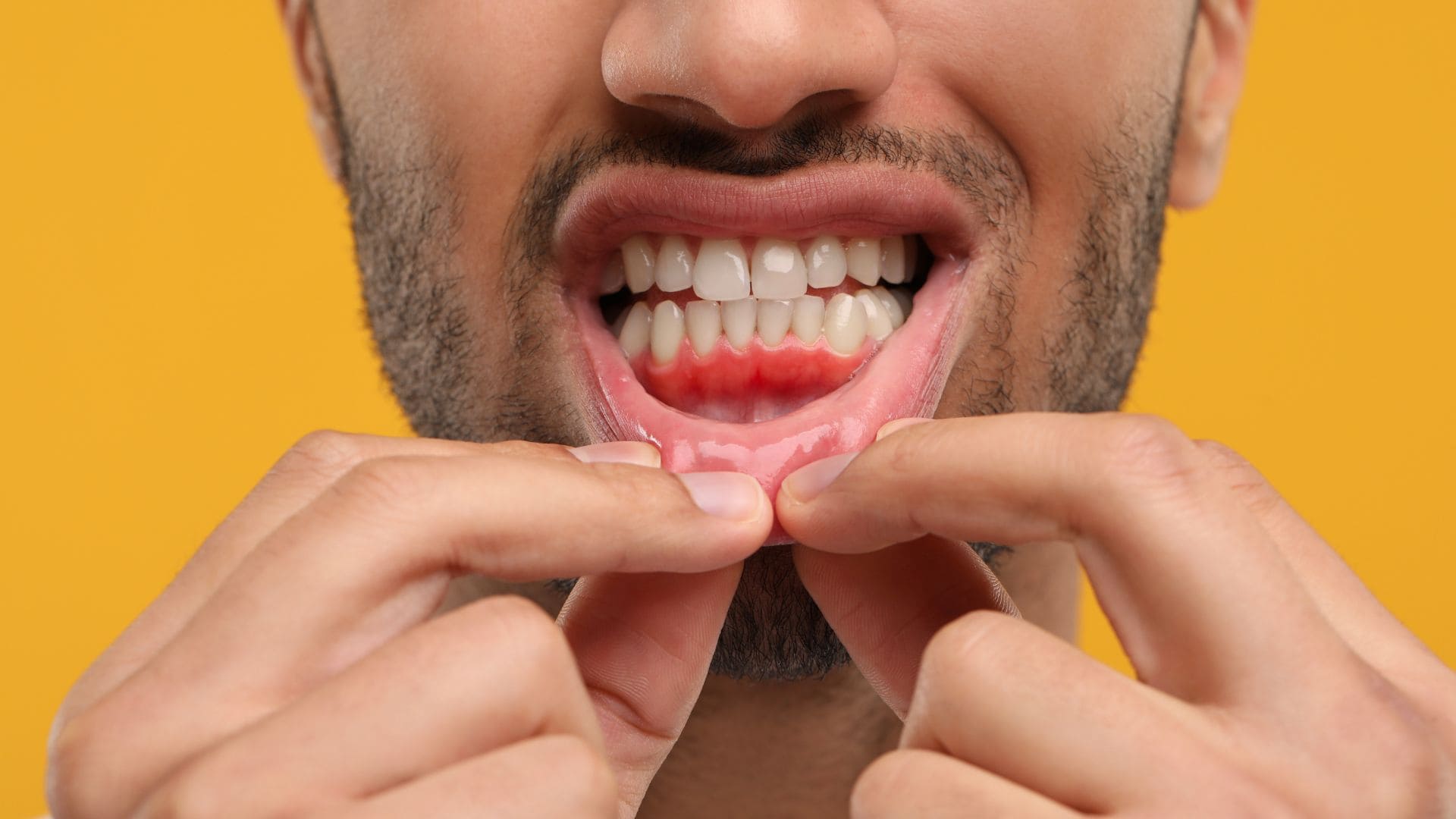
If you have recently been told you need gum grafting, or you are already scheduled for the procedure, you probably have a lot of questions. How long will recovery take? When can you eat normally after a gum graft? What does the healing actually look like from one week to the next?
This detailed guide on gum graft recovery is here to walk you through exactly what to expect, so there are no surprises along the way.
Understanding Gum Grafts and Why They Matter
Understanding gum recession starts with knowing what it does to your teeth. When your gums recede, they expose the root surfaces of your teeth, which can lead to sensitivity, tooth decay, bone loss, and eventually tooth loss if left untreated.
Gum grafting is a dental surgery designed to treat gum recession by replacing lost gum tissue around affected teeth. The procedure involves taking gum tissue – often from the roof of your mouth or using a substitute grafting material – and attaching it to the areas where gum recession has occurred. The goal is to protect the root, restore the gum line, and support long-term oral health.
There are different types of gum grafts used in periodontology, including connective tissue grafts, free gingival grafts, and pedicle grafts. Your dentist or gum specialist will determine which approach suits your situation best based on the condition of your existing gum tissue.
What Happens During Gum Graft Surgery
Gum graft surgery includes several steps, starting with anesthesia to keep you comfortable throughout the dental procedure. Once the area is numb, your dental provider harvests tissue – either from your palate or a donor source – and carefully sutures it to the graft site.
The entire process is more straightforward than most patients expect. Anxiety is common before oral surgery, but modern techniques and patient-preferred anesthesia options, including sedation, make the experience far more manageable. Following gum graft surgery, you will be sent home with care instructions and, in most cases, a prescription or recommendation for an over-the-counter analgesic to manage discomfort.
The Gum Graft Healing Process: A Week-by-Week Breakdown
Recovery from a gum graft is not instantaneous, but it is very manageable when you know what to expect. The gum graft recovery takes time, and the exact timeline can vary based on the individual, the extent of the grafting, and how well post-operative instructions are followed.
Week 1: Initial Recovery and Managing Discomfort
The first week is the most intense part of the recovery period. This is the initial healing phase, and your body is working hard to begin integrating the graft tissue with the surrounding gum tissue.
You will likely experience swelling, tenderness, and some bleeding in the first 24 to 48 hours.
Swelling around the graft site is completely normal and typically peaks around day two or three.
Applying a cold compress to the outside of your face in short intervals can help reduce edema and discomfort.
Pain is manageable for most patients using over-the-counter medication such as ibuprofen. If your dental provider prescribed something stronger, follow their instructions carefully. Do not skip doses in the early days, as staying ahead of the pain is much easier than trying to manage it once it builds.
During this week, you should stick to soft foods only. Think smoothies, yogurt, applesauce, scrambled eggs, mashed potatoes, and other foods that require little to no chewing. Avoid anything spicy, crunchy, or hot in temperature. Spiciness and extreme heat can disrupt the healing tissue and irritate the graft site.
Do not brush and floss the treated area directly. You can gently clean the rest of your mouth, but protecting the graft means avoiding any direct contact with the surgical sutures or newly placed tissue. Your provider may recommend a chlorhexidine mouthwash to help maintain hygiene without disturbing the area.
Week 2: Initial Healing Progresses
By the second week, swelling should begin to decrease noticeably. The graft site will still be sensitive, but most patients find the discomfort is significantly reduced compared to the first few days.
The healing tissue is still fragile during this stage, so oral hygiene practices around the graft site should remain gentle. You may be given the green light to resume soft brushing near – but not directly on – the area. Always follow your provider’s specific guidance, as every gum graft healing experience is slightly different.
You can begin expanding your diet a little, but chewing hard foods is still off the table. Soft-cooked vegetables, fish, pasta, and other gentle options are good choices. Protein is especially important during recovery because it supports tissue repair and helps the body heal efficiently.
Bleeding should be minimal by now. If you notice persistent bleeding, significant swelling, or signs of infection such as increased redness, discharge, or fever, contact your dental provider right away. These could be early warning signs of gum graft failure or complications that need prompt attention.
Weeks 3 and 4: Gum Graft Healing Gains Momentum
The third and fourth weeks are often when patients start feeling much more like themselves.
The initial recovery is behind you, and the graft should be integrating with the existing gum tissue in a meaningful way.
Swelling is largely gone by this point, and most of the tenderness has resolved. You may still notice some sensitivity around the graft site, but this typically improves steadily as healing progresses.
Your dentist will likely schedule a follow-up appointment around this time to assess how the graft is healing. This appointment is a critical part of the recovery process – your provider checks the surgical sutures (which may have dissolved or will be removed), examines the graft site, and ensures there are no concerns about your recovery.
Oral hygiene can gradually return to a more normal routine, but always under the guidance of your dental team. They may advise you to continue using a soft-bristled toothbrush and a gentle mouthwash to support recovery without causing irritation.
Weeks 5 Through 8: Continued Healing and Integration
By weeks five through eight, most patients are eating a nearly normal diet and have returned to their regular oral hygiene routines. This phase of the gum graft healing stages involves deeper tissue integration as the graft continues to bond with the surrounding gum tissue and the circulatory system re-establishes blood flow through the new tissue.
The gum graft healing process during this phase is less visible but no less important. Beneath the surface, new connective tissue is forming, and the body is reinforcing the graft. Avoiding habits that could disrupt the healing – such as smoking, aggressive brushing, or consuming very hard or sharp foods – is still important during this time.
This is also when many patients begin to see the cosmetic benefits of gum grafting. The gum line looks healthier, the teeth appear better proportioned, and sensitivity often decreases considerably.
Months 2 and 3: Approaching Full Recovery
Complete healing from a gum graft procedure can take up to three months for full maturation of the tissue. While the initial gum graft healing stages are largely complete by week eight, the graft continues to mature and strengthen through this extended period.
A second follow-up appointment may be scheduled to assess the long-term success of your gum graft. Your dentist will evaluate whether the graft has fully integrated, whether gum recession has been adequately addressed, and whether any additional treatment is needed.
By the end of this period, most patients are back to their routine dental habits without restrictions.
Recovery Tips for Optimal Healing
A smooth healing process is not just about waiting – it is also about the choices you make during recovery. Here are some practical recovery tips to support a successful gum graft outcome.
- Follow your post-operative instructions to the letter. These are tailored to your specific gum graft procedure and health history.
- Stick to soft foods for as long as your dentist recommends. Rushing back to hard or chewy foods too soon is one of the most common ways patients set back their healing journey.
- Avoid smoking entirely during recovery. Smoking restricts blood flow and can significantly increase the risk of gum graft failure.
- Sleep with your head elevated in the first few days to help reduce swelling and discomfort.
- Take all prescribed medication as directed, and do not skip doses.
- Use gauze as directed if there is any post-surgical bleeding, and avoid disturbing the graft site with your tongue or fingers.
- Attend every follow-up appointment – these visits are an essential part of the gum graft recovery plan.
- Maintain proper hydration and nutrition to support recovery at the cellular level. Vitamins and protein play a key role in tissue regeneration.
What Can Go Wrong: Recognizing Complications Early
Successful recovery after a gum graft is typical, but complications can occur. Knowing the signs helps you act quickly.
Gum graft failure is rare but can happen if the graft does not integrate properly with the existing gum tissue. Signs include prolonged pain, significant swelling that is not improving, exposed surgical sutures, tissue that looks white or grey, or unusual discharge. If any of these occur, contact your dental provider immediately.
Infection is another potential risk following oral surgery. Symptoms include swelling that worsens after day three, fever, bad taste, and persistent bleeding. Bacteria can introduce complications if oral hygiene is neglected, which is why the balance between keeping the mouth clean and avoiding disruption to the graft site is so important.
Undergoing a gum graft is a common and well-established dental procedure, but treating it with the care and attention it deserves is what leads to a successful gum graft outcome.
The Role of Your Dental Team in Recovery
Gum health is not something you manage alone. Your dental team plays an active role throughout the healing timeline, from the initial gum procedure to routine dental check-ups down the road.
At Dr. Molly Rogers Dental & Associates, patients receive personalized care and clear recovery guidance from the moment they walk in. Whether you are exploring comprehensive general dentistry services or dealing with a more complex issue requiring an emergency services, the team is committed to your comfort and oral health at every stage.
Having a dental team you trust makes a significant difference – not only during the procedure itself but also during the weeks of recovery that follow. Open communication, timely check-ins, and personalized support during recovery are what ensure a smooth recovery and long-term gum health.
Conclusion
Gum graft recovery takes time, but most patients are surprised by how manageable it is with the right recovery plan and dental support. By understanding each stage of the healing process – from the first days of swelling to complete healing at the three-month mark – you can approach your procedure with confidence.
If you are considering gum grafting or have concerns about gum recession, reach out to Dr. Molly Rogers Dental & Associates at 780-463-8803. The team is ready to guide you toward a healthier, stronger smile.
