
Does My Child Need Braces? How to Tell and What to Do About It
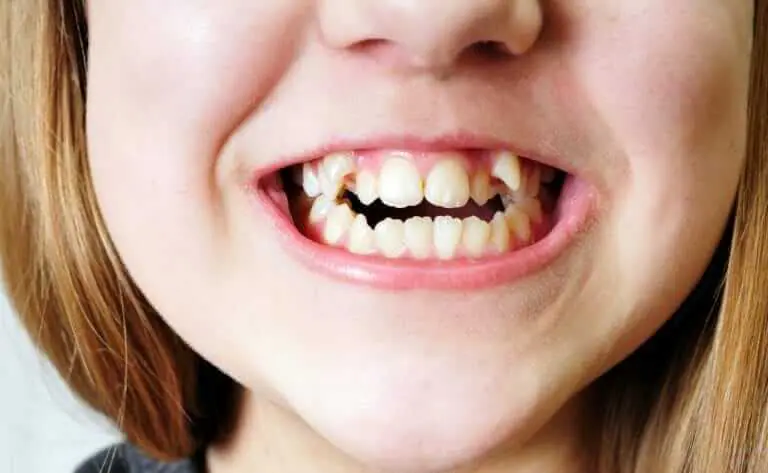
Wondering, “Does my child need braces?” You’re not alone. Many parents in Edmonton find themselves uncertain when noticing misaligned teeth or an unusual bite in their child. It’s normal to wonder whether it’s just a phase – or whether it’s time to take action.
This guide will walk you through how to know if your child needs braces, what signs to watch out for, when to see an orthodontist, and how orthodontic treatment works.
Whether your child is still losing baby teeth or has most of their adult teeth, this article will help you get clarity. We’ll also explain how braces can help, introduce different types of braces, and discuss the best age for orthodontic care.
Signs Your Child Needs Braces: What to Look For
Not all dental issues are obvious, so let’s start with the basics. Here are some common signs your child may need braces or another form of orthodontic treatment:
Crooked or Crowded Teeth
If your child’s teeth appear to…
- Overlap,
- Twist, or
- Bunch together,
…it could mean there isn’t enough space in the mouth for permanent teeth to grow properly. This can lead to crowded or crooked teeth, making effective tooth brushing and dental floss use challenging. This raises the risk of tooth decay and gum disease.
Overbite, Underbite, or Crossbite
An overbite occurs when the upper front teeth extend too far over the bottom teeth. An underbite is when the lower teeth sit ahead of the upper teeth.
Other bite issues like crossbite or open bite malocclusion affect the alignment of the teeth and jaws, causing chewing problems and strain on the jaw.
These are issues involving how the upper and lower teeth come together, and they often require an evaluation from an orthodontist.
Late Loss of Baby Teeth or Early Tooth Loss
If your child loses deciduous teeth (another name for baby teeth) much earlier or later than their peers, that could signal concerns. Late loss of baby teeth might mean permanent teeth are delayed or struggling to erupt properly.
Difficulty Chewing or Biting
Does your child complain about pain while eating or seem to avoid hard foods like apples or popcorn? Trouble chewing can be a sign of deeper alignment issues.
Breathing or Speech Concerns
Sometimes difficulty breathing through the mouth or issues like a noticeable tongue thrust or lisp can trace back to the way the teeth or jaws are formed.
What Age Should My Child Get Braces?
You may be wondering: What is the best age to get braces? Or even, At what age should my child see an orthodontist?
The Best Age to Start Orthodontic Care
The American Association of Orthodontists recommends that children first visit an orthodontist no later than age 7. This doesn’t mean your child will need braces at that age – but it allows the orthodontist to evaluate how the permanent teeth are coming in and how the jaw is developing.
If you’re considering braces for a child, earlier evaluation gives more treatment options and may prevent the need for more extensive work later.
How to Know if Your Child Needs Braces
It’s not always easy to tell if your child needs braces just by looking. Here’s how to get clarity:
Step 1: Watch for the Signs
- Crooked or overlapping teeth
- Trouble chewing or speaking
- Frequent mouth breathing
- Early or late loss of baby teeth
- Gaps between the front teeth
If you notice any of these, it might be a sign your child really need braces or early orthodontic care.
Step 2: Visit a Pediatric or Family Dentist
Your dentist will check your child’s teeth and bite, take X-rays, and if necessary, refer you to an orthodontist.
Step 3: Get a Professional Evaluation
To know if your child needs braces, you’ll need to see an orthodontist. A full consultation includes reviewing X-rays, examining the jaw, and assessing how the teeth in place line up.
Even if your child is younger than 7, don’t hesitate to take your child to an orthodontist if something seems off. Children can wait to get braces if it’s not yet needed, but an early check can make all the difference.
Why Kids Need Braces: Correcting More Than Looks
Braces don’t just create straight teeth and a beautiful smile – they can also prevent long-term issues related to oral health and self-esteem.
Here’s how braces can help:
- Guide permanent teeth into better positions
- Fix spacing or crowding before it worsens
- Improve speech and chewing function
- Reduce the risk of gum disease and tooth decay
- Align the jaw for a healthier bite
Braces improve how the mouth and teeth function together – and thinking long term, the right orthodontic treatment can mean lower dental costs in the future.
What Type of Braces Can My Child Get?
Not all braces are created equal. The right type of braces for your child will depend on their needs and age. Common options include:
- Traditional Braces: Metal brackets and wire that gradually move the teeth.
- Ceramic Braces: Clear or tooth-colored brackets for a less noticeable look. Great for older kids.
- Lingual Braces: Placed behind the teeth, offering a hidden appearance.
- Clear Aligners: While popular, they’re typically better for teens and adults who can wear them consistently.
Whether your child is excited or anxious about wearing braces, your orthodontist will recommend what’s best for your child based on their specific needs.
How Long Will My Child Need to Wear Braces?
How long your child will need to wear braces depends on the complexity of the issue and the type of treatment. On average:
- Mild cases: 12 to 18 months
- Moderate cases: 18 to 24 months
- Complex cases: 2+ years
Wearing Orthodontic headgear, using a retainer (orthodontics) after straighter teeth are achieved, or going through follow-up visits are all part of maintaining your child’s smile and keeping those teeth aligned.
If you’re worried your child might get stuck in wired braces longer than expected, don’t fret. Your orthodontist will set clear expectations and monitor progress.
Should You Wait for Braces?
It’s a common question—should I wait until your child is older?
Sometimes, yes. Children can wait if the bite is developing normally and no crowding is present. Other times, early intervention prevents worse dental issues later.
The truth is, deciding when a child should get braces isn’t a DIY project. It’s important to get a professional opinion from a trusted orthodontist.
Not Sure Where to Start?
If you’re in Edmonton and wondering whether your child does indeed need braces, you might consider visiting a trusted pediatric dentist in Edmonton to begin the assessment process.
Still feeling overwhelmed? That’s okay. Start by speaking with your dentist, and consider an early evaluation even if your child is younger than 7.
Orthodontics is a journey, but it’s one that helps your child’s permanent teeth, jaw, and oral hygiene stay healthy for decades.
Conclusion: Help Your Child Smile with Confidence
Braces aren’t just about looks – they’re about function, confidence, and prevention. Now that you recognize the signs your child needs braces, you’re equipped to take the next step.
If you think your child may need braces, don’t wait and worry. Book an appointment with your family dentist or directly with an orthodontist for an expert evaluation.
Remember: the braces depends on your child’s needs, age, and bite. Early evaluation avoids future complications and supports lifelong oral health. And if you’re looking for a trusted local partner in Edmonton, don’t hesitate to explore our pediatric dentist in Edmonton for warm, expert care dedicated to your child’s dental future.