
Choosing the Different Types of Veneers for a Natural-Looking Smile
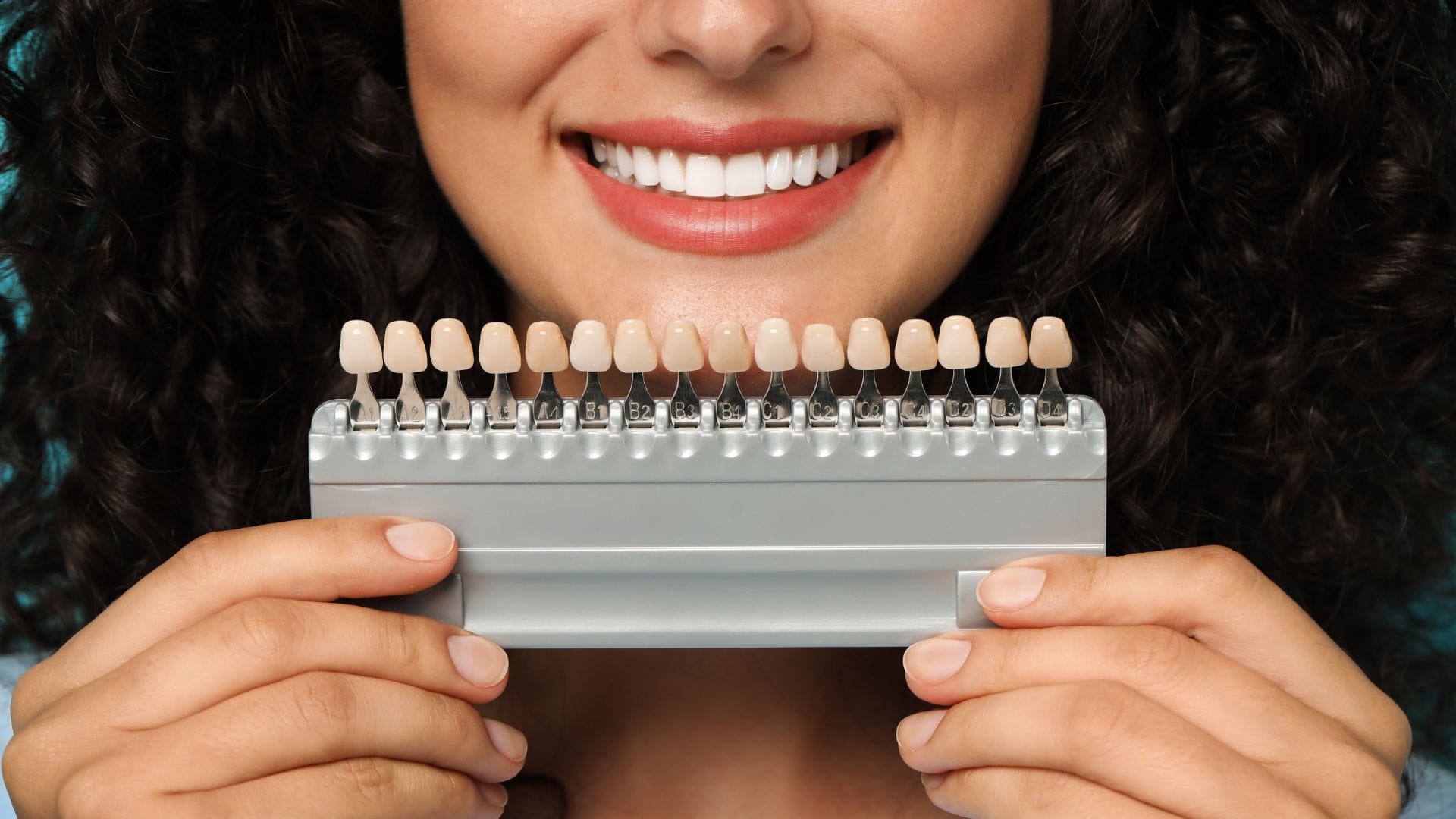
If you’ve ever looked in the mirror and wished your smile looked a little more polished, you’re not alone. Veneers have become one of the most popular solutions in cosmetic dentistry for people who want to address chipped, stained, or uneven teeth without major dental work.
But here’s where many patients get stuck: there isn’t just one kind of veneer. The different type of veneers available today vary in material, thickness, cost, and how much tooth enamel needs to be altered. Understanding your options before you sit down with a dentist makes a big difference in getting results you’ll actually love.
What Are Dental Veneers, Exactly?
A veneer in dentistry is a thin shell, usually made from dental porcelain or dental composite, that gets bonded to the front surface of a tooth. They’re most commonly applied to the incisors and other visible front teeth to improve shape, color, or symmetry.
Think of them like a cover for your tooth. They don’t restore the inner structure the way a crown (dental restoration) would, but they’re highly effective at changing the appearance of your smile without invasive procedures.
Veneers are generally considered a cosmetic dentistry solution, although they may also support certain restorative goals depending on the patient’s needs.
The Main Types of Veneers You Should Know About
Porcelain Veneers
Porcelain veneers are the gold standard in smile transformations. Crafted from dental porcelain in a dental laboratory by a skilled dental technician, these veneers are incredibly lifelike. They mimic the way natural tooth enamel reflects light, which is why they tend to look the most natural.
The process typically involves removing a small layer of enamel from the tooth surface before the veneer is placed. This makes the procedure mostly irreversible, but the results are long-lasting – often 10 to 15 years with proper care. Porcelain also resists staining better than composite material, which is a significant advantage for patients who drink coffee or tea regularly.
Composite Veneers
Composite veneers are made from resin, a tooth-colored composite material that your dentist applies and sculpts directly onto the tooth in a single visit. This is sometimes called dental bonding, and it’s a much quicker and more affordable option than porcelain.
Because no dental laboratory is involved and the work is done chairside, composite veneers can often be completed with minimal or no enamel removal, depending on the case. They’re a great entry point for patients who want to improve their smile but aren’t ready to commit to a more permanent treatment.
The trade-off is durability. Resin is more prone to staining and chipping over time, and composite veneers typically last 5 to 7 years before they need to be touched up or replaced.
No-Prep Veneers
No-prep veneers are ultra-thin veneers designed to require little to no enamel removal in many cases.
Because they’re thinner than traditional porcelain, Lumineers can sometimes be placed directly over existing teeth. This makes the process more reversible than conventional veneers, which appeals to patients who are nervous about permanent changes to their teeth.
However, Lumineers aren’t ideal for everyone. If your tooth has significant discoloration or damage, the ultra-thin ceramic may not be enough to fully camouflage the issue. A conversation with your dentist will help you figure out whether Lumineers would actually give you the results you’re hoping for.
Removable or Snap-On Veneers
These are a non-dental option that clips over your teeth and can be removed at any time.
They’re often sold as direct-to-consumer options and do not involve the same clinical process as professional veneers.
While they might sound convenient, they aren’t recommended as a substitute for professional veneers. They can affect speech, make you feel uncomfortable, and don’t address the underlying health of your teeth. Most dental professionals would steer patients away from these as a long-term solution.
How to Choose the Right Type for Your Smile
Choosing between these options comes down to a few key factors.
- Your goals matter most. If you’re looking for a dramatic, long-lasting smile transformation, porcelain or Lumineers are likely your best path. If you want a quick fix for a minor chip or gap, composite dental bonding might be all you need.
- Your budget plays a role. Composite veneers cost significantly less than porcelain. It’s also worth noting that dental insurance typically doesn’t cover cosmetic procedures, so most veneer treatments are paid out of pocket. At Dr. Molly Rodgers Dental, flexible in-house financing options are available to help make treatment more accessible.
- Your tooth’s condition matters. Teeth with deep staining, decay, or structural damage may not be good candidates for veneers at all. In those cases, a crown (dental restoration) or other treatment might be more appropriate for your health and your smile.
- Anesthesia preferences. Some patients feel anxious about dental procedures. If you’re considering veneers but worry about discomfort, it’s worth asking about anesthesia options, including laughing gas, to make the experience more comfortable.
Frequently Asked Questions
Do veneers damage your teeth?
Traditional porcelain veneers require removing a thin layer of tooth enamel, which does alter the natural tooth permanently. Composite and no-prep options like Lumineers are more conservative.
Can veneers fix stained teeth?
Yes. Porcelain is excellent at covering deep staining that tooth whitening treatments can’t fully address. Composite resin can also camouflage discoloration, though it may stain more easily over time.
Are veneers covered by dental insurance?
In most cases, dental insurance does not cover cosmetic procedures. However, financing plans can make veneers more attainable.
How long do veneers last?
Porcelain veneers typically last 10 to 15 years. Composite veneers generally last 5 to 7 years, depending on care and habits.
A Natural Smile Is Closer Than You Think
Choosing the right type of veneer is a personal decision, and there’s no single answer that works for everyone. What matters is getting clear, honest guidance from a dentist you trust.
To explore whether veneers or another cosmetic option is right for you, learn more about the cosmetic dentistry services available at Dr. Molly Rodgers Dental. The team is ready to help you find a solution that fits your smile, your health, and your budget.
