
Can Receding Gums Grow Back? Real Solutions That Actually Work
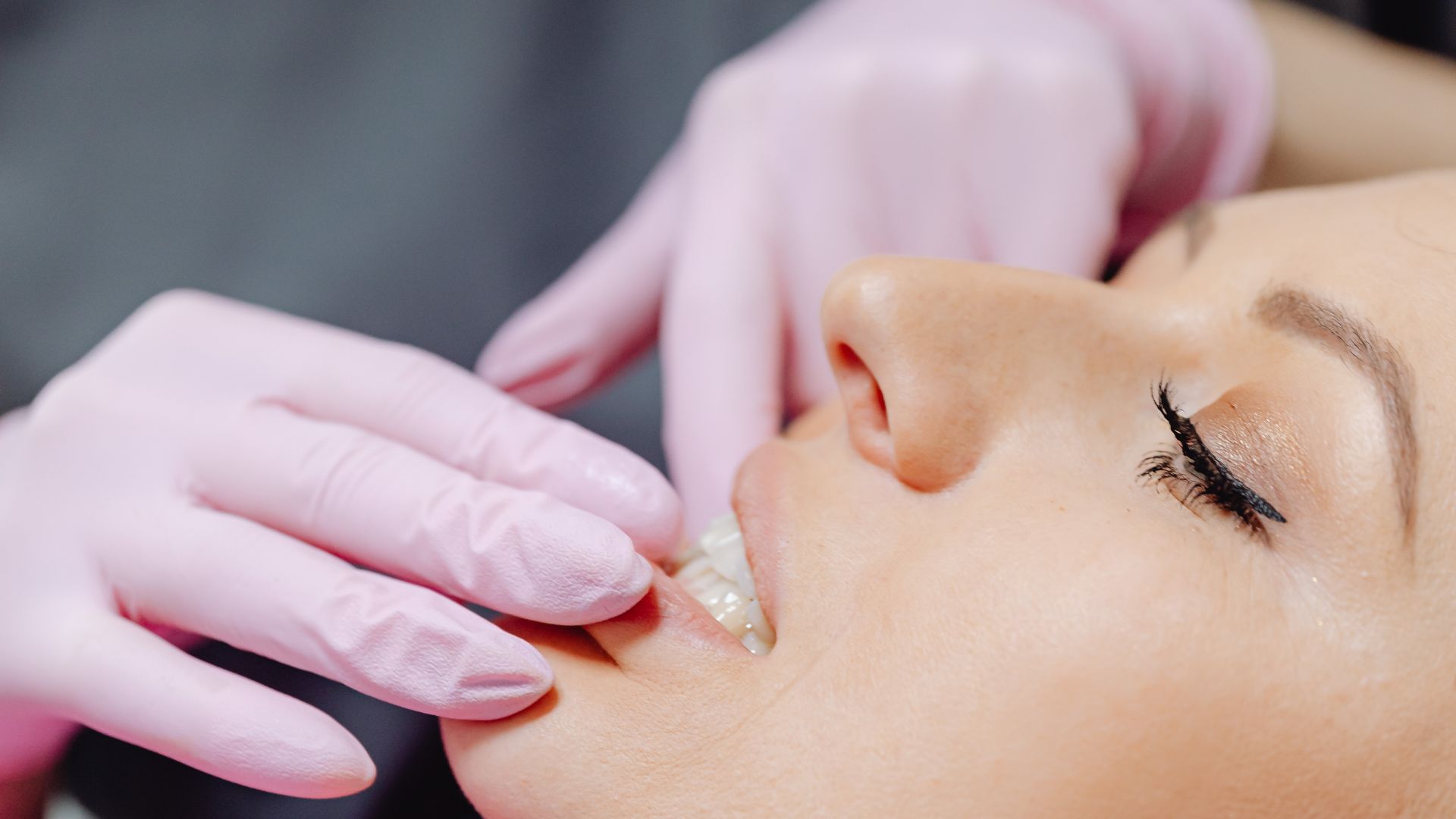
If you’ve looked in the mirror and thought your teeth look longer than they used to, you’re not imagining it. When gums recede, they expose more of the tooth and sometimes even its root. It can be alarming, especially if you’re also noticing sensitivity or bleeding gums.
A common question we hear at Dr. Molly Rodgers Dental & Associates in Edmonton, Canada, is: Can receding gums grow back?
The honest answer is not always what people want to hear, but understanding the truth is the first step toward protecting your smile.
What Is Gum Recession?
Gum recession, also called gingival recession in Dentistry, happens when the gum tissue surrounding a tooth pulls back or wears away. As the gum tissue recedes, more of the human tooth or its root becomes visible.
This can affect one tooth or several. Gum recession occurs slowly in many cases, which is why people don’t notice it at first.
When gum tissue pulls away, small spaces called gingival and periodontal pocket areas can form between the gums and teeth. These pockets can trap bacteria, dental plaque, and calculus (dental), increasing the risk of infection.
Over time, this can lead to gum disease and recession, damage to bone, and even tooth loss if not treated.
Can Receding Gums Grow Back?
Here is the clear answer: receding gums cannot grow back on their own.
Gums are a type of soft tissue. Once healthy gum tissue has been lost, it does not naturally regenerate in the same way skin might. In other words:
- Receding gums won’t grow back naturally
- Gums don’t grow back
- Gums cannot grow back naturally
- Receding gums can’t grow back
- In most cases, they can’t grow back without professional treatment
So if you’re wondering whether it’s possible for receding gums to grow back naturally, the answer is no.
That said, while receding gums won’t grow back on their own, there are very effective ways to stop receding gums, treat gum recession, and, in some cases, restore lost gum tissue through dental procedures.
Why Do Gums Recede?
To treat the problem, we need to learn more about what causes it. There are several common causes of receding gums that we see in our Edmonton practice.
Gum Disease
Gum disease is the leading cause of gum recession. It starts as gingivitis, an early stage of gum disease marked by gum inflammation, bleeding, and sometimes edema. If untreated, it can progress into periodontal disease, a more severe form of gum disease.
As bacteria build up around the teeth and gum line, they cause an infection that can damage gum tissue and bone. This infection can lead to gum recession and, in advanced cases, severe gum recession and tooth mobility.
Gum recession may be one of the key signs and symptoms of this disease process.
Brushing Too Hard
It surprises people, but brushing too hard is a major cause of gum recession. Aggressive brushing with a hard toothbrush creates pressure on the teeth and gum line.
Over time, this can damage gum tissue and even wear down tooth enamel, exposing dentin and leading to dentin hypersensitivity. If your gums begin to pull back and you are not dealing with gum disease, your toothbrush may be the culprit.
Tooth brushing should be gentle and done with a soft-bristled toothbrush and fluoride toothpaste, such as one with tin(II) fluoride.
Poor Oral Hygiene
Inconsistent brushing and flossing allow bacteria, dental plaque, and calculus (dental) to accumulate. This buildup can cause gum inflammation and infection, which may lead to gum recession.
Good oral hygiene is not complicated, but it must be consistent. This includes brushing, dental floss, and sometimes mouthwash, such as chlorhexidine in specific cases.
Other Contributing Factors
Other factors associated with gum recession include:
- Genetics and risk factors you cannot control
- Dental trauma
- Dental braces or certain orthodontic movements
- Teeth grinding
- Ill-fitting dentures
- A severe gum infection
Sometimes the cause of your gum recession is a combination of these issues.
Signs of Gum Recession
The signs of gum recession can be subtle at first. Gum recession early may not cause pain.
Watch for:
- Teeth that look longer
- Sensitivity to cold or heat
- Bleeding gums
- Gums look red or swollen
- A visible change in the teeth and gum line
If your gums are receding or your gums begin to pull away from a tooth, it is important to see a dentist before the condition progresses.
What Happens If You Ignore It?
When gums recede significantly, the gum tissue surrounding the tooth no longer protects the root.
The root does not have enamel like the crown of the tooth. Instead, it is covered by cementum, which is softer and more vulnerable.
Untreated gum recession can lead to:
- Root cavities and tooth decay
- Severe gum infection
- Bone loss
- Tooth mobility
- Eventual tooth loss
Gum recession can lead to serious oral health problems if not addressed early.
Real Solutions That Actually Work
Even though receding gums won’t grow back naturally, there are real solutions available in modern Dentistry and Periodontology.
Professional Cleaning and Scaling
In mild to moderate cases of gum recession caused by plaque buildup, your dentist may recommend scaling and root planing.
Scaling and root planing is a deep teeth cleaning procedure that removes plaque and calculus from below the gum line. It smooths the root surface, making it harder for bacteria to stick and helping reduce gum inflammation.
This can help the gums reattach more closely to the tooth surface in some cases, reducing pockets and helping stop further gum recession. It also helps treat gum disease and prevent further gum recession.
Gum Graft Surgery
In cases of severe gum recession, a gum graft may be the most effective solution.
During gum graft surgery, a periodontist or dentist takes tissue, sometimes from the roof of your mouth, and attaches it to the area where gum tissue has pulled back. This type of gingival grafting or grafting procedure can cover exposed roots to help the gums reattach and restore protection.
Your dentist may recommend a gum graft if the gum tissue has pulled back significantly or if you are at high risk of further damage.
Local anesthetic or anesthesia is used during the surgery to keep you comfortable. Recovery typically involves careful hygiene and sometimes an antimicrobial or antibiotic rinse.
Correcting Your Home Care
If the cause of gum disease is aggressive brushing, switching techniques can make a big difference.
To prevent receding gums from getting worse:
- Use a soft toothbrush.
- Brush gently in small circular motions.
- Floss daily to prevent gum disease.
- Use fluoride toothpaste.
- Visit your dental hygienist for regular teeth cleaning.
These habits help maintain healthy gums and protect your gums from further recession.
Can You Naturally Grow Back Gum Tissue?
Many people hope for natural remedies. Unfortunately, lost gum tissue does not naturally grow back.
There is no toothpaste, mouthwash, or supplement that will cause significant loss of gum tissue to regenerate. While good oral hygiene supports gum health and may reduce inflammation, it cannot reverse established recession.
The goal is not to make receding gums grow back naturally. The goal is to stop the damage and protect the tooth and bone underneath.
The Link Between Gum Disease and Recession
Gum disease and recession are closely connected. An early stage of gum disease, called gingivitis, may cause bleeding and inflammation. If it progresses to periodontal disease, the infection can destroy the supporting tissue (biology) and bone structure around the tooth.
Advanced periodontal disease is a severe form of gum disease. At this stage of gum disease, gum tissue and bone are irreversibly damaged.
That is why prevention and early treatment matter so much.
How to Prevent Gum Recession
While you cannot always reverse it, you can prevent gum recession from worsening.
Focus on:
- Consistent brushing and flossing
- Regular checkups through our general dentistry services.
- Early treatment of gingivitis
- Using proper Tooth brushing techniques
- Addressing dental trauma quickly
Prevention is far easier than treating severe gum problems later.
If you notice a sign of gum issues, do not wait.
When to See a Dentist in Edmonton, Canada
If your gums pull back, feel sensitive, or you suspect gum disease, schedule an evaluation. A dentist can measure gum levels with a periodontal probe, check for infection, and determine the cause of gum recession.
At Dr. Molly Rodgers Dental & Associates in Edmonton, we believe in patient education. We will explain what is happening in your mouth, whether the issue is gingivitis, periodontal disease, or mechanical wear from brushing too hard.
From conservative scaling and root planing to discussing whether you may need a gum graft, we guide you step by step.
The Bottom Line
So, can receding gums grow back?
In simple terms, no. Receding gums cannot grow back on their own, and gums don’t grow back once they are lost. It is not possible for receding gums to grow back naturally.
But that does not mean you are out of options.
With early diagnosis, proper oral hygiene, professional cleaning, and advanced treatments like gum graft surgery when needed, you can stop receding gums, protect your teeth, and maintain long-term gum health.
If you are concerned about gum recession or gum disease, call Dr. Molly Rodgers Dental at 780-463-8803 to book a consultation. Taking action now can protect your smile for years to come.