
Bruxism (Teeth Grinding): Causes, Symptoms, and Solutions
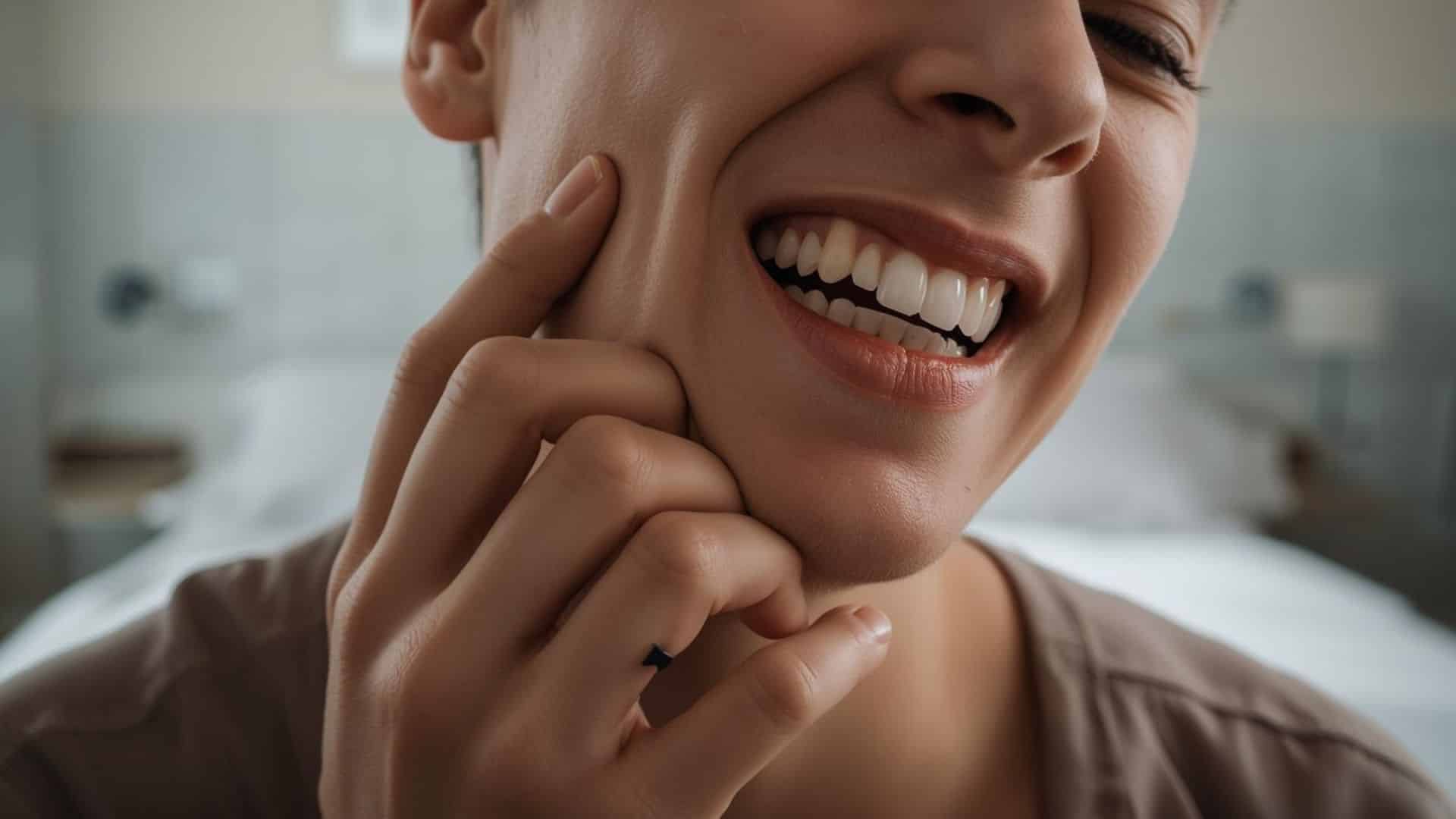 Teeth grinding, medically known as bruxism, is a surprisingly common condition that affects people of all ages. Yet many live with it for years without realizing the impact it has on their oral health.
This article explores what causes bruxism, the signs to watch for, and practical solutions to protect your teeth and improve your overall well-being.
What is Bruxism?
Bruxism refers to the involuntary clenching, grinding, or gnashing of teeth. It can occur during waking hours (awake bruxism) or while sleeping (sleep bruxism).
- Awake bruxism: Clenching and grinding while conscious, often linked to stress, concentration, or habit.
- Sleep bruxism: Grinding or clenching during sleep, sometimes without the sufferer’s awareness, and often noticed first by a sleeping partner or during a dental exam.
Because bruxism is often unconscious, you may not realize you have it, but effects like jaw soreness or worn teeth may signal a problem.
What Causes Bruxism?
There is rarely a single cause of bruxism. Instead, several factors often combine to trigger or worsen it. Experts consider bruxism to be a multifactorial condition involving lifestyle, psychological, genetic, and physical elements.
Key contributors include:
- Stress, anxiety, and emotional tension: One of the most common triggers, especially for awake bruxism. Emotions such as anger, frustration, or concentration can lead to unconscious clenching or grinding.
- Lifestyle factors: High caffeine intake, alcohol consumption, tobacco use, and frequent gum chewing have all been linked to a higher risk of teeth grinding.
- Medications and medical conditions: Some medications (for example, certain antidepressants) may contribute. Also, bruxism may coexist with other conditions like sleep disorders, neurological disorders or sleep-related issues such as sleep apnea.
- Genetic or family tendency: Bruxism often runs in families, suggesting heredity plays a role.
- Bite problems or misaligned teeth (malocclusion): In some cases, an improper bite may create discomfort or uneven tooth contact that triggers grinding or clenching.
Because of these many factors, bruxism often emerges as a combination of stress, lifestyle, and physical conditions, not solely as a dental issue.
Recognizing the Signs: Symptoms of Bruxism
Because bruxism often happens unconsciously, many people are unaware until symptoms become more serious. Common signs and consequences include:
- Grinding or clenching noises; sometimes loud enough to wake a sleeping partner.
- Flattened, chipped, fractured, or worn tooth enamel; exposed inner tooth layers leading to sensitivity.
- Tooth pain or increased sensitivity to hot, cold, or pressure.
- Tiredness or tightness in jaw muscles, often worse in the morning.
- Pain or stiffness in the jaw, face, neck; a jaw that locks or doesn’t open/close properly.
- Headaches, especially around the temples, or earache-like pain (referred pain).
- Clicking, popping, or other noises in the jaw joint.
- Cheek biting or tongue indentations; sometimes a subtle sign of grinding or clenching habit.
- Sleep disruption or poor-quality sleep, especially for sleep bruxism sufferers.
If you experience jaw clicking, locking, or chronic pain, you may benefit from guidance found on the TMJ treatment page on Edmonton Smiles.
How Is Bruxism Diagnosed?
Detecting bruxism often begins at the dental chair. During a routine exam, your dentist may notice telltale signs: worn enamel, flattened teeth, or changes in jaw muscles and alignment.
If bruxism is suspected, dentist may:
- Monitor tooth and jaw changes over several visits.
- Check for tenderness in jaw muscles or joints, stiffness when moving the jaw, or damage to teeth and surrounding bone.
- Use X-rays if needed (especially if there is dental damage or TMJ issues).
- Ask questions about sleep patterns, lifestyle habits, stress, and possible medications or other health issues.
For some patients, especially when sleep-related bruxism is suspected, a referral to a sleep medicine specialist may be recommended, sometimes including a sleep study (polysomnography) to detect grinding episodes during sleep.
If other conditions are suspected (for example, a misaligned bite or TMJ disorder), additional dental or medical evaluation may follow.
Managing and Treating Bruxism
Not everyone with bruxism needs aggressive treatment. For mild cases, especially occasional grinding, simple lifestyle adjustments may suffice. Yet when grinding is frequent or causing damage, a combined approach often works best: dental protection, behaviour change, and stress management.
Dental Solutions
- Mouth guards or splints: Custom-fitted guards worn at night (or during waking hours for awake bruxism) can keep upper and lower teeth separated, preventing direct grinding.
- Dental corrections: If grinding has caused significant wear or damage, treatments such as reshaping biting surfaces, crowns or overlays might be needed to restore proper function and protect teeth.
Behavioural and Lifestyle Strategies
- Stress and anxiety management: Because stress is one of the biggest triggers, techniques such as mindfulness, relaxation exercises, yoga or regular physical activity can help.
- Jaw awareness and practice: People with awake bruxism may benefit from training to keep their teeth slightly apart, lips closed, and jaw relaxed during the day. Dentists can instruct on correct mouth and jaw posture.
- Avoid stimulants and habits that encourage grinding: Reducing or eliminating evening caffeine or alcohol, quitting smoking, avoiding endless gum chewing or biting pens, all of these may lower the risk or severity of bruxism.
- Improve sleep hygiene: For sleep bruxism, good sleep habits, regular sleep schedule, avoiding screens before bed, creating a calm environment, can help reduce nighttime jaw activity.
Medical or Therapeutic Options
- Muscle relaxants, when prescribed: In some cases, short-term use of muscle relaxants before bedtime may reduce grinding.
- Jaw relaxation and biofeedback: Biofeedback can train you to reduce jaw muscle tension, especially helpful for awake bruxism.
- Botulinum toxin (Botox) treatment: For persistent severe bruxism that doesn’t respond to other methods, injections into jaw muscles may reduce grinding by temporarily relaxing those muscles.
Addressing Underlying Conditions
If bruxism is linked to another health issue, for example, sleep disorders like sleep apnea, medication side effects, or neurological conditions, treating those can often reduce or stop the grinding altogether.
Prevention and Long-Term Care
Because bruxism often develops over time, prevention and early intervention matter. Here are practical tips to protect your teeth and jaw health:
- Visit your dentist regularly, early detection can stop grinding before major damage occurs.
- Maintain healthy habits, manage stress, avoid overuse of stimulants, practise good sleep hygiene, and avoid repetitive mouth habits (gum chewing, pen biting, etc.).
- Be mindful of jaw and mouth posture throughout the day: keep lips together, teeth slightly apart, and jaw relaxed unless chewing or swallowing.
- If you suspect grinding, tell your dentist, especially if you experience jaw pain, headaches, or tooth sensitivity.
- For known bruxism, use a custom night guard or splint to protect your teeth.
If you want to establish a preventive care routine, exploring the General Dentistry services on the Edmonton Smiles website can help you stay proactive with your oral health.
Bruxism, whether awake or during sleep, can quietly damage teeth, wear down enamel, cause jaw pain, headaches, and disturb your sleep.
If you suspect you may be grinding your teeth, schedule a dental exam soon. Early action can protect your oral health and prevent long-term complications.