
Teeth Bonding vs Veneers: Choose the Best Fix for Your Smile Fast
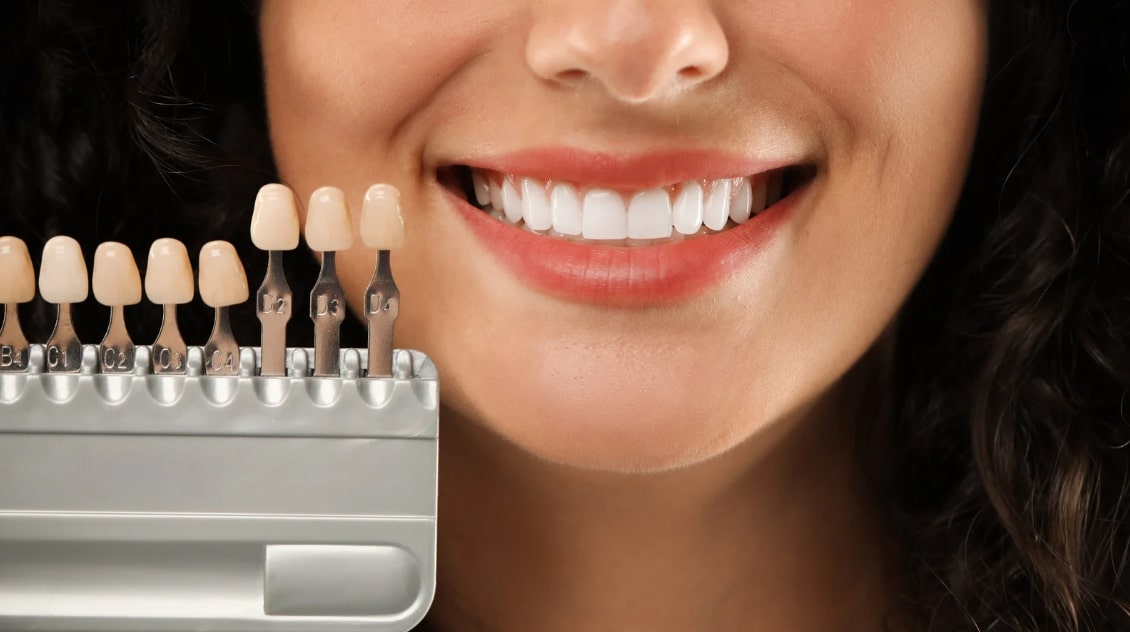
If you’re wondering how to improve your smile, the choice between teeth bonding and veneers can feel overwhelming. You’re not alone. Whether it’s a small gap, a tooth chip, or discolored enamel, knowing the right cosmetic dental treatment for your situation is key. Understanding the difference between dental bonding and veneers can help you make a confident, informed decision.
Let’s walk through teeth bonding vs veneers, so you can find out which one best suits your needs, smile goals, and lifestyle. And if you’re in Edmonton looking for personalized dental care? Dr. Molly Rodgers and her trusted team are ready to guide you every step of the way.
What’s the Difference Between Dental Bonding and Veneers?
Both dental bonding and veneers aim to enhance the appearance of your teeth, but they do it in very different ways.
Dental Bonding Involves Quick Cosmetic Repair
Dental bonding is a cosmetic dental procedure where a tooth-colored resin (a flexible material that mimics the color of your natural teeth) is applied to the surface of your tooth and hardened using a special curing light.
This bonding material can repair:
- Chipped or cracked teeth
- Small gaps between teeth
- Discolored or misshapen teeth
Bonding uses composite resin, which is molded directly onto the tooth. This makes it minimally invasive and quick – often completed in one dental visit.
Pros of Composite Bonding:
- Usually completed in under an hour
- Less expensive than veneers
- Doesn’t remove the enamel from the tooth
- Ideal for small repairs
However, bonding may not last as long as veneers. The composite resin is durable but more prone to staining and wear over time, especially with exposure to coffee, red wine, tea, or tobacco.
Veneers Involve Custom, Long-Lasting Smile Changes
Veneers are thin, custom-made shells that are bonded to the front surface of the tooth to improve its shape, size, or color.
There are two main types:
- Porcelain veneers: More durable and stain-resistant.
- Composite veneers: Made with a similar material to bonding resin, but applied as a veneer rather than shaped on the tooth.
Veneers can be used to treat:
- Severely stained teeth
- Slightly crooked or misshapen teeth
- Worn-down or chipped teeth
- Gaps and alignment issues
Because veneers typically require reshaping the tooth’s surface, they are more permanent than bonding. Veneers may require two or more visits to complete, especially for porcelain veneers, which are crafted in a lab to match the exact color of your natural teeth.
Pros of Veneers (especially porcelain):
- Last 10-15 years with good oral hygiene
- Resist staining better than composite materials
- Provide a dramatic, natural-looking smile makeover
For a closer look at porcelain veneers for a brighter smile, check out our detailed guide.
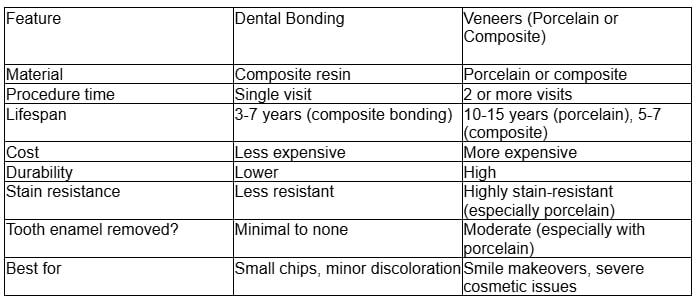
Bonding vs Veneers: A Side-by-Side Comparison
Why Choose Veneers or Dental Bonding?
Choosing the right option depends on your goals, dental history, and budget.
Consider bonding if you:
- Want faster results
- Need to fix small chips or discoloration
- Want a more affordable cosmetic solution
Go for veneers if you:
- Want a longer-lasting, stain-resistant solution
- Need to correct multiple chipped or cracked teeth, gaps, or misshapen teeth
- Are looking for a full smile transformation
Veneers and Dental Bonding: What Do the Procedures Involve?
The Dental Bonding Procedure
The dental bonding procedure is relatively simple:
- Your dentist chooses a composite resin color that matches your natural teeth.
- The surface of the tooth is roughened slightly to help the bonding adhere.
- The bonding resin is applied and shaped.
- A special curing light hardens the resin.
- The dentist polishes the new surface.
Dental bonding is used for cosmetic repairs that don’t require extensive structural changes. It’s a minimally invasive procedure without anesthesia unless there’s decay to treat.
Getting Veneers
Veneers involve a bit more planning:
- X-rays may be taken to ensure your teeth and gums are healthy.
- The front surface of the tooth is slightly filed down to accommodate the veneer.
- A mold is taken and sent to a dental lab (for porcelain).
- Temporary veneers may be placed while your custom-made veneers are being prepared.
- Once ready, veneers are bonded to the surface of teeth with a strong dental adhesive.
Note: Porcelain veneers are thin but durable. Veneers often last longer and resist wear better than bonding.
Who’s a Good Candidate?
You may benefit from cosmetic dental treatments like veneers or bonding if you have:
- Chipped or cracked teeth
- Mild tooth discoloration
- Small spacing issues or misshapen teeth
However, if you have decay, gum disease, or untreated dental problems, these should be addressed first during regular dental visits.
Maintaining Your Bonded Teeth or Veneers
Good dental care and oral hygiene are essential to protect your investment.
Here’s how to extend the life of your dental work:
- Brush your teeth twice daily with fluoride toothpaste
- Use dental floss every day
- Confine coffee, wine, tea, and tobacco use to protect against staining
- Avoid chewing hard objects like ice, pens, or fingernails
- Visit your dentist regularly for cleanings and checkups
Both veneers and dental bonding can be affected by habits and overall dental hygiene. Composite bonding is especially sensitive to tooth brushing technique and products used.
Frequently Asked Questions
Are Veneers Permanent?
Yes, especially porcelain veneers. Once the tooth enamel is removed, the procedure can’t be reversed. But the result is a long-lasting, beautiful look.
Can You Whiten Bonded Teeth or Veneers?
No. Tooth whitening doesn’t affect bonded teeth or veneers. If staining occurs, they may need replacement.
Are Veneers Safe for Sensitive Teeth?
Yes. While veneers generally require enamel removal, most patients report minimal sensitivity after placement.
How Do I Decide on Bonding vs Veneers?
The best way to decide is to talk with a knowledgeable dentist experienced in cosmetic dental treatments like dental bonding and veneers.
They’ll help evaluate:
- The color of your natural teeth
- Shape and alignment issues
- Your dental needs
- Budget and goals
When to Schedule Dental Services in Edmonton
Whether you’re considering bonding or veneers, it’s important to schedule dental consultations with a team that understands your aesthetic and health goals.
Dr. Molly Rodgers offers personalized advice and modern dental services in Edmonton, helping patients choose between leading dental procedures and ensuring your cosmetic dental procedure fits your needs and lifestyle.
Ready to smile with confidence?
If you’re still asking “**What’s the difference between dental bonding and veneers?**” or contemplating dental bonding vs veneers, now’s the perfect time to explore your options.
From resin veneers to longer-lasting porcelain, whether it’s veneers and bonding you’re exploring, the key is finding expert guidance.
Reach out to our team to talk to a qualified dentist in Edmonton and take the first step. Your brighter, healthier smile is closer than you think.
Your smile deserves expert attention – let’s make it happen.