
How Oral Health and Heart Disease Are Connected and What to Do About It
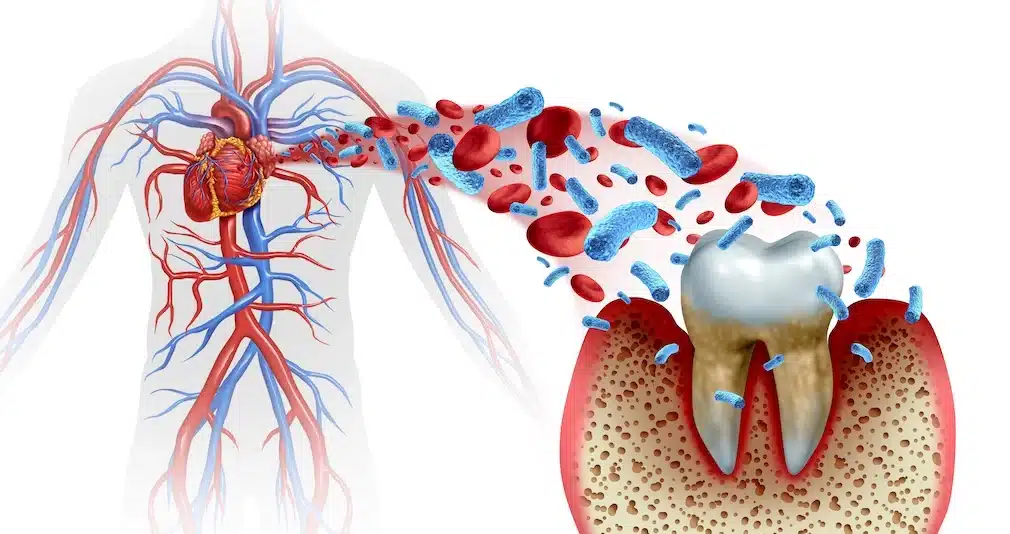
If your dentist has ever reminded you to brush more thoroughly, they might just be protecting more than your smile. Science is showing that the link between oral health and heart disease is more than coincidental. While it might seem strange at first, your mouth could hold important clues to your heart’s health.
So, let’s break down how oral hygiene influences cardiovascular well-being, why this matters for everyone in Edmonton, and what steps you can take for better health—starting with your teeth.
The Connection Between Oral Health and Heart Health
You’ve probably heard the saying, “The mouth is the gateway to the body.” This is especially true when considering the relationship between oral health and heart health.
Your mouth is filled with bacteria—most of which are harmless. But when oral care slips, harmful oral bacteria can multiply and enter your bloodstream. When this happens, it can potentially lead to inflammation and other issues that affect your heart and vascular system.
Here’s how dental care connects to your heart:
- Gum disease like gingivitis and periodontal disease leads to chronic inflammation.
- Inflammation can contribute to the buildup of plaque in arteries (atherosclerosis).
- This process narrows the arteries and increases your cardiovascular risk.
- Oral infections may lead to endocarditis, especially in people with existing heart conditions.
According to the American Heart Association, while a direct causality hasn’t been firmly established, the association between periodontal disease and cardiovascular disease is supported by growing evidence.
Poor Oral Health May Increase the Risk of Heart Disease
Researchers and health professionals have found that poor oral health may be a significant risk factor for cardiovascular disease. People with gum disease are more likely to suffer from conditions such as coronary artery disease and stroke.
One study from the National Health and Nutrition Examination Survey found that a higher number of missing teeth was associated with a greater risk of cardiovascular events.
How This Risk Develops
When people neglect oral hygiene, dental plaque builds up. Plaque carries bacteria deep into the gums, causing inflammation. This chronic inflammation, paired with bleeding and infection in the gums, may contribute to systemic inflammation across the body. The result? Increased cardiovascular risk factors, including higher blood pressure and elevated C-reactive protein levels.
The Link Between Gum Disease and Heart Problems
The link between gum disease and heart problems has become a focus in preventive healthcare research and dental medicine. Periodontal disease does not just affect your mouth – it may lead to heart complications when untreated.
When bacteria from the oral microbiome enter the bloodstream due to poor gum health, they may trigger an immune response. This could lead to:
- Higher production of inflammatory cytokines such as Interleukin 6
- Thickening of blood vessels
- Development of atherosclerotic cardiovascular disease
- Potential clot formation (thrombosis) and myocardial infarction (heart attack)
Some researchers have even identified periodontal disease and atherosclerotic cardiovascular disease cases linked through pathogens like Porphyromonas gingivalis.
How to Improve Your Oral Health to Prevent Heart Disease
Improving oral health is more than just a cosmetic concern. It’s potentially a direct step toward better heart and systemic health.
Here’s what you can do:
- Brush your teeth at least twice a day using a fluoride toothpaste.
- Floss daily to remove plaque between teeth and below the gumline.
- Visit your dentist regularly for cleanings and dental care checkups.
- Treat dental disease like gingivitis or tooth decay early.
- Avoid smoking, which worsens both dental and heart health.
- Eat a healthy diet that’s low in sugar and processed foods.
Good oral hygiene may reduce your risk of gum disease and consequently, your risk of heart disease and stroke.
If you haven’t already, explore our general dentistry services to stay on top of your oral care.
The Role of Inflammation and Infection
Inflammation is the common thread in both periodontal disease and cardiovascular disease. Inadequate oral hygiene leads to long-standing gum inflammation, fostering bacteria and inflammatory cytokines like Tumor Necrosis Factor.
Once the infection spreads from the mouth into the bloodstream, it may weaken the endothelium (inner walls of the blood vessels), contributing to vascular disease. Chronic inflammation can also elevate blood pressure, adding to your overall cardiovascular risk.
Infective endocarditis, although rare, is a serious condition caused by oral bacteria entering the bloodstream and attaching to damaged areas of the heart. This highlights the need for good dental hygiene and routine care, especially for patients with existing heart conditions.
What the Research Says About the Oral Health and Heart Disease Link
Various studies and guidelines have explored the relationship between oral health and blood pressure, the impact of periodontal health on the cardiovascular system, and the association between oral health and myocardial infarction.
One notable long-term follow-up study found that patients with periodontal disease had a higher chance of developing coronary heart disease, especially among those with other cardiovascular risk factors like diabetes and hypertension.
Guidelines from the American Heart Association note that while more research is needed into definitive causality, focusing on oral health could save the health care system millions while improving quality of life.
Why It Matters in Edmonton
Oral health care doesn’t only affect individuals—poor oral health can become a public health issue. Federally Qualified Health Centers, including local clinics in Edmonton, are emphasizing the importance of preventive dental and medical collaboration.
By aligning dental and medical care, Edmonton can make strides in reducing cardiovascular disease in patients who otherwise have limited access to dental procedures.
Take Control of Your Oral and Heart Health
You don’t need to be a health professional to take meaningful steps toward protecting both your mouth and heart. Understand that your oral care choices affect your circulatory system, and that gum disease may do more than harm your smile.
Start small:
- Make brushing your teeth and flossing daily habits.
- Schedule regular dental cleanings.
- Pay attention to signs and symptoms like bleeding gums or bad breath.
Even childhood oral infections can set the stage for a lifetime of heart risk. So encourage good oral habits early—for yourself and your family.
Conclusion: One Mouth, One Heart—Take Care of Both
The relationship between oral health and heart disease is no longer just a theory—it’s being backed by real science and experts. Focusing on your oral hygiene isn’t just about keeping teeth white or fresh breath. It’s about safeguarding your heart and your overall health.
Are you overdue for a dental checkup? Start prioritizing your gum health today. Not just for your mouth, but for your heart.
To take the next step, book an appointment with our trusted team at Edmonton Smiles and commit to a routine that supports your entire body’s well-being. You can also explore these heart-healthy lifestyle habits recommended by the CDC for additional tips.
Better dental health starts with awareness. Share this article with someone you care about—and help them protect their heart, one toothbrush at a time.