
Spot and Stop Early Cavities in Baby Teeth Before They Get Worse
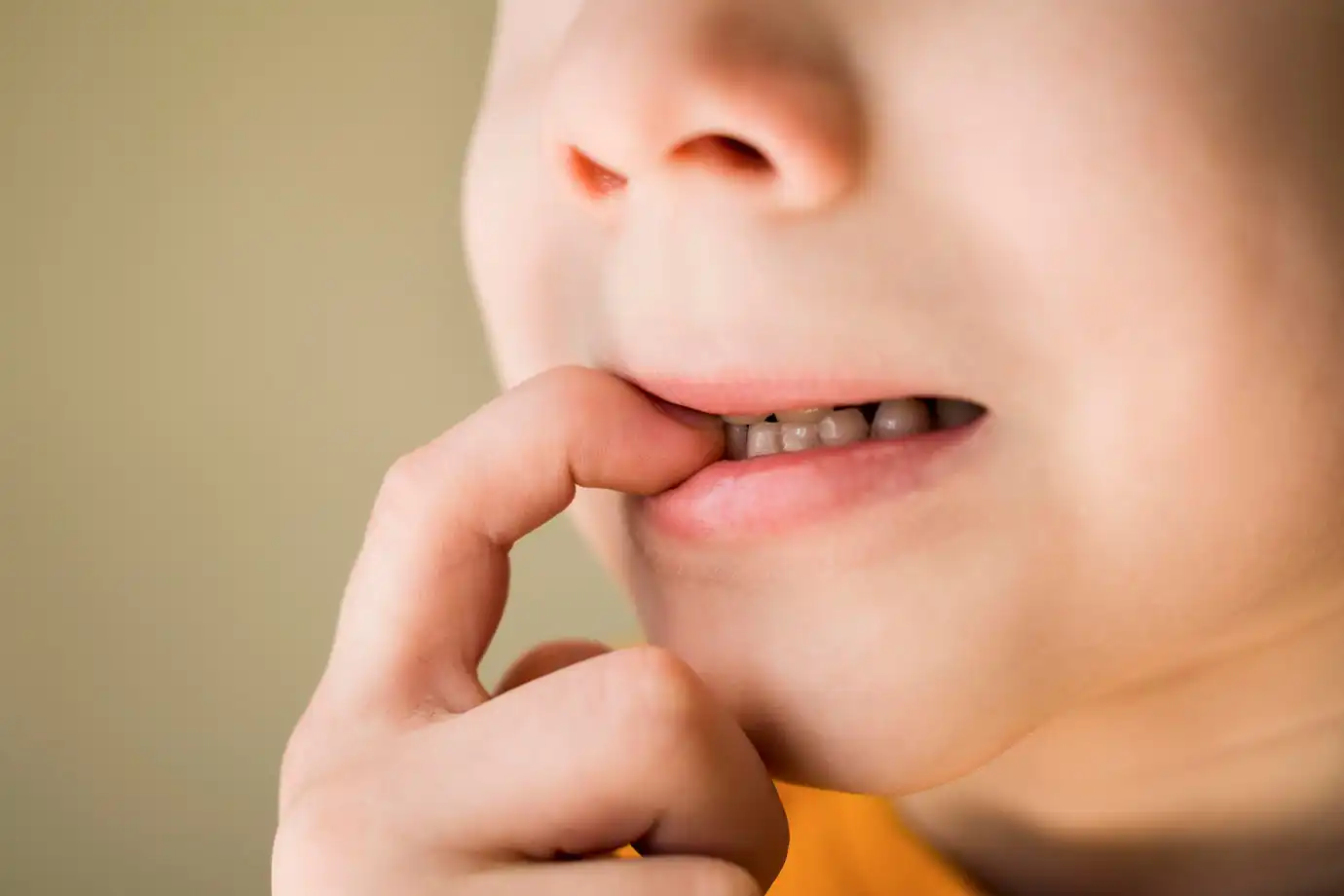
When a baby’s first tooth appears, it’s an exciting milestone. But it also marks the beginning of their oral health journey. Many Edmonton parents are surprised to learn that children can get cavities shortly after their first primary tooth erupts.
These early cavities in baby teeth can impact your child’s comfort, eating habits, speech development, and even the health of their future adult teeth.
Let’s break down what causes early childhood tooth decay, how to spot it, and what you can do to help prevent it.
Why Baby Teeth Matter More Than You Might Think
Just because baby teeth (also called primary or deciduous teeth) eventually fall out doesn’t mean they’re not important. These little teeth:
- Help your child chew food and speak clearly
- Hold space in the jaw for permanent teeth
- Support healthy development of the jaw and facial muscles
If baby teeth get painful cavities or fall out too soon due to decay, it can lead to alignment problems, infections, and even damage to the incoming adult teeth.
What Causes Cavities in Baby Teeth?
Cavities form when bacteria in the mouth feed on sugars from food and drink, producing acid that wears away the tooth enamel. In young children, this can happen fast because:
- Tooth enamel on baby teeth is thinner, making it easier for decay to progress
- Children are at risk due to frequent snacking, sugary drinks, and inconsistent brushing
- Saliva in children is less effective at washing away food debris and neutralizing acid
These factors make baby teeth especially vulnerable to dental caries, the clinical term for decay.
Common Causes of Tooth Decay in Children:
- Putting a baby to sleep with a bottle (known as baby bottle tooth decay)
- Regular consumption of juice, milk, or fruit-based snacks between meals
- Sticky snacks like rice, cereal, cookie, or candy that cling to the tooth surface
- Poor oral hygiene or brushing without fluoride toothpaste
- Sharing utensils with adults, which can transfer bacteria in the mouth
The American Academy of Pediatric Dentistry recommends that brushing begins as soon as your baby’s first tooth appears.
Early Signs of Tooth Decay in Baby Teeth
Watching for the early signs of tooth decay can help you catch problems before they get worse. In Edmonton, where water fluoridation is present, following proper oral hygiene habits can make a difference, but cavities can still happen.
Look for:
- White spots on the teeth, especially near the gums (a sign that tooth enamel is demineralizing)
- Brown or black discoloration on front teeth or molars
- Avoiding certain foods due to pain or tooth sensitivity
- Fussiness during meals or when brushing
If a child has a cavity, they may not always say so. Regular checkups with a qualified pediatric dentist can help detect decay early.
What Is Early Childhood Caries?
Early childhood caries is a specific form of tooth decay in young children, often affecting children under the age of 6. It can progress rapidly, especially in children younger than 3, and is often related to prolonged bottle feeding or sleeping with a bottle.
This condition can lead to:
- Severe painful cavities
- Infections that require dental restoration, such as crowns
- Speech problems, missing teeth, and potential delays in chewing and eating
Why Children Are at Increased Risk for Tooth Decay
Many parents don’t realize how early children can get cavities. Once the first tooth erupts (typically around 6 months), your child is at increased risk for tooth decay. Dental plaque, formed from food and saliva, begins to coat the teeth and harbor acid-producing bacteria.
Children are at risk for several reasons:
- Thin, soft enamel
- Frequent snacking throughout the day
- Inability to brush teeth thoroughly on their own
- Preference for sugary or starchy foods
How to Help Prevent Tooth Decay in Children
As a parent, you can take steps to establish strong oral health habits right from the beginning. Here’s what’s recommended for children living in Edmonton:
Start Early
- Begin cleaning your baby’s gums with a clean, damp cloth even before the first primary tooth appears.
- Start brushing baby’s teeth as soon as the first tooth appears, using a rice-sized amount of fluoride toothpaste.
Be Consistent
- Help brush your child’s teeth twice a day until they can do it well on their own – usually around age 6
- Avoid putting your child to sleep with a bottle or allowing them to sleep with a bottle of milk or juice
Make Smart Choices
- Limit sugary drinks and snacks between meals
- Offer water after meals to help rinse the mouth
- Schedule a first dental visit by the time your baby turns one
When to Visit a Pediatric Dentist
A visit to a pediatric dentist in Edmonton isn’t just for emergencies. Pediatric dentists are trained specifically in pediatric dentistry, understanding how children’s mouths grow and change. These professionals:
- Monitor for early tooth decay
- Apply protective treatments like fluoride varnish and dental sealants
- Provide age-appropriate guidance on oral hygiene
Even mild signs of decay, like white spots or tooth sensitivity, should prompt a professional evaluation. Untreated cavities can become infected, requiring more extensive treatments like dental abscess management or even hospitalization in severe cases.
What Happens If Early Cavities Are Left Untreated?
If decay in baby teeth is not treated, it can spread quickly due to the porous nature of baby enamel. Tooth decay may lead to:
- Dental pain that affects eating and sleep
- Infections that damage permanent adult teeth
- Missed school days and costly treatments
- Emotional stress for both child and parent
In some cases, damaged teeth require crowns, fillings, or even extractions, impacting the child’s ability to chew, speak, or smile with confidence.
Stay Ahead of Early Cavities
Early cavities in baby teeth are preventable, but only if parents stay proactive. Edmonton families have access to quality dental care and pediatric dental professionals ready to help.
So, what’s your next step?
- Start or improve your child’s oral hygiene routine
- Book that first dental visit if your baby’s first tooth has appeared
- Stay alert for white spots, discoloration, or signs of discomfort
For expert support, connect with a trusted pediatric dentist in Edmonton.
Protecting your child’s smile starts today – because strong baby teeth lead to healthier adult teeth tomorrow.