
How to Prevent Dry Socket After an Extraction
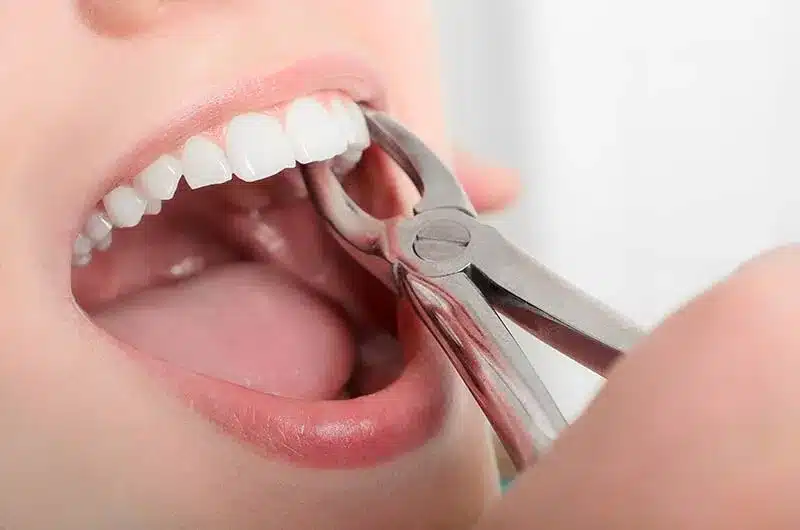
Tooth extractions are common, whether it’s for wisdom teeth, damage, or infection. But once the tooth is out, another problem can sometimes sneak in: dry socket.
Dry socket isn’t just uncomfortable — it can delay healing and be quite painful. At Edmonton Smiles, we often hear questions from patients about how to avoid it. The good news? With the right steps, dry socket is usually preventable.
What Is Dry Socket?
After a tooth is removed, a blood clot naturally forms over the extraction site. This clot plays a key role in protecting the bone and nerves underneath as the area heals.
Dry socket (also called alveolar osteitis) happens when:
- The clot becomes dislodged
- The clot dissolves too early
- The clot doesn’t form at all
Without that protective layer, the socket is exposed — and that’s when inflammation, pain, and even infection can occur.
Why Is Dry Socket a Problem?
Most people describe dry socket as significantly more painful than the extraction itself. You might notice:
- A throbbing pain that radiates toward the ear, eye, or neck
- A foul taste in your mouth
- Bad breath
- Visible bone in the socket
Dry socket can set in within a few days after extraction — typically between day 2 and day 5. That’s why following your dentist’s aftercare instructions is so important.
Who’s Most at Risk for Dry Socket?
Dry socket doesn’t happen to everyone, but certain factors increase your risk, including:
- Smoking or using tobacco products
- Poor oral hygiene after surgery
- Using a straw or spitting forcefully
- Having a difficult or traumatic extraction
- Previous dry socket history
- Taking birth control pills (some hormones can affect healing)
How to Prevent Dry Socket: 10 Proven Tips
Prevention starts immediately following your extraction. Here’s how you can greatly reduce your chances of developing dry socket:
1. Follow Your Dentist’s Aftercare Instructions Closely
It sounds obvious, but this is your best line of defense. Your dentist or oral surgeon at Edmonton Smiles will provide detailed aftercare tailored to your procedure.
Don’t just skim it. Take the time to read it fully and ask questions if anything is unclear.
2. Don’t Smoke or Vape
Tobacco is one of the top risk factors. Smoking causes two major issues:
- It creates suction that can dislodge the clot
- It reduces blood flow, which slows healing
Even vaping carries similar risks due to inhalation pressure. If possible, avoid smoking for at least 72 hours after your extraction — the longer, the better.
3. Skip the Straw (And Avoid Spitting)
Like smoking, suction from straws and forceful spitting can pull the blood clot right out.
- Drink directly from a glass
- Let saliva drool out gently instead of spitting
Do this for at least 3–5 days after surgery to give the clot time to fully stabilize.
4. Eat Soft Foods
Stick to soft, cold or lukewarm foods for the first few days. Good options include:
- Applesauce
- Yogurt
- Mashed potatoes
- Scrambled eggs
- Smoothies (with a spoon — no straw!)
Avoid crunchy, spicy, hot, or sticky foods that could disturb the healing site.
5. Keep the Surgical Site Clean (Gently)
Don’t brush the extraction site for the first 24 hours. After that, resume gentle brushing, but avoid direct brushing over the socket for at least a few additional days.
You can rinse with salt water starting 24 hours after the extraction:
- Mix 1/2 teaspoon salt with 1 cup warm water
- Gently swish and let it fall out of your mouth, no spitting
- Rinse 2–3 times a day
Avoid commercial mouthwashes unless your dentist recommends one.
6. Take Medications as Prescribed
Your Edmonton Smiles dentist may prescribe the following medications to help with the healing process:
- Pain relievers
- Antibiotics to prevent infection
- Anti-inflammatories
Follow dosage instructions exactly — don’t stop taking antibiotics early, even if you feel fine.
7. Rest and Keep Your Head Elevated
Skip intense physical activity for 2–3 days post-extraction.
Lying flat for long periods can increase blood pressure to the head and may dislodge the clot. Try to keep your head propped up with pillows, especially when sleeping.
8. Avoid Alcohol and Carbonated Drinks
These beverages can both irritate the socket, so skip the alcohol and fizzy drinks while you’re healing.
- Alcohol can interfere with healing and medications
- Fizzy drinks can dissolve the clot
Stick with water or non-acidic juices while you’re healing.
9. Watch for Warning Signs
Pay attention to how you feel. Dry socket is usually marked by worsening pain after the initial soreness has started to improve.
Call your dentist if you notice:
- Severe pain that doesn’t go away
- A visible empty socket
- Bad breath or a bad taste that lingers
- Swelling that gets worse instead of better
10. Schedule and Attend Follow-Up Appointments
We want to make sure everything is healing properly. At Edmonton Smiles, we may schedule a check-in or ask to see you if you’re not recovering as expected.
These visits give us a chance to catch any concerns early — before they become bigger problems.
What Happens If I Get Dry Socket Anyway?
Sometimes, even with the best care, dry socket can happen. If it does, don’t panic — it’s treatable.
Treatment might include:
- Cleaning the socket
- Applying medicated dressings
- Prescribing pain relievers or antibiotics
The pain can often be managed quickly once treatment begins. The key is getting in touch with your dental provider as soon as you suspect something isn’t right.
Frequently Asked Questions About Dry Socket
Can I use over-the-counter painkillers to manage dry socket?
Yes, but only as a temporary measure. OTC pain meds like ibuprofen can help relieve discomfort, but you still need to see your dentist to treat the actual cause.
How long does it take a dry socket to heal?
With proper treatment, most dry sockets heal within 5–10 days. Pain usually improves within 1–2 days after beginning treatment.
Can I prevent dry socket if I keep my mouth super clean?
Good hygiene is important, but it has to be done gently. Spitting, over-rinsing, or brushing directly on the socket can actually cause more harm in the first few days.
Focus on gentle cleaning and follow your provider’s advice on when to resume regular brushing.
Is dry socket contagious?
No, dry socket isn’t caused by bacteria alone, and it’s not contagious. It’s mostly a result of mechanical disturbance to the healing site.
Edmonton Smiles Cares About Your Recovery
Tooth extractions don’t have to end in complications. At Edmonton Smiles, our job doesn’t stop after the procedure — we’re here to help you recover comfortably and completely.
Our experienced dental team, led by Dr. Molly Rodgers and Associates, is proud to offer personalized care to South Edmonton families. We follow the Alberta Dental Association’s fee guide and work to make every visit transparent and stress-free.
If you’re planning a tooth extraction or have questions about post-operative care, give us a call or browse our other dental health resources. We’re happy to walk you through every step.
Your comfort matters — let’s make this a smooth healing experience from start to finish.
Want more practical tips like this? Follow the Edmonton Smiles blog and stay informed about your oral health from trusted local experts.