
Professional Teeth Whitening vs Strips: Which Works Best for a Brighter Smile?
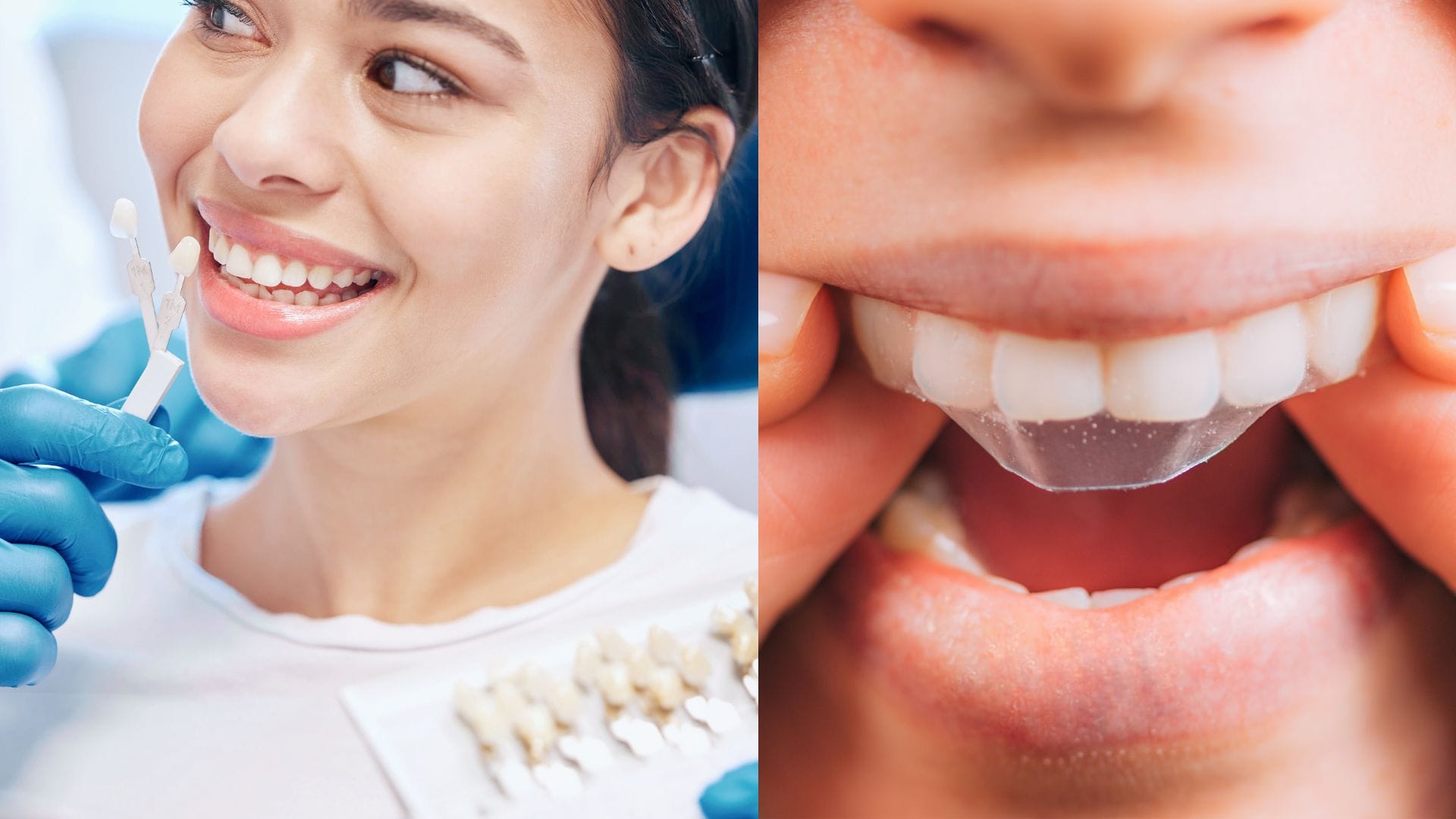
If you have ever stood in a pharmacy aisle staring at rows of whitening strips and wondered whether they work as well as the professional treatments your dentist offers, you are not alone.
When it comes to teeth whitening, the options can feel overwhelming. And the real question most people have is simple: are strips good enough, or is it worth seeing a professional?
Let us explore the differences between professional whitening and over-the-counter strips so you can make a confident, informed choice.
What Are Teeth Whitening Strips?
Teeth whitening strips are flexible plastic strips coated with a whitening gel – usually containing a low concentration of hydrogen peroxide or carbamide peroxide. They are applied directly to the teeth and left in place for a set amount of time, depending on the brand.
Whitening strips are available at most pharmacies without a prescription. Brands like Crest Whitestrips are among the most recognized over-the-counter products on the market. They are easy to use and relatively affordable, which makes them a popular first step for people who want to whiten their teeth at home.
The whitening agent in strips works by lifting surface-level stains caused by things like coffee, red wine, and general tooth discoloration over time. However, the concentration of the bleaching agent is much lower than what a dentist uses, which affects how dramatic or lasting the results are.
How Does Professional Whitening Work?
Professional whitening, also called in-office whitening, uses a significantly stronger whitening gel applied by a trained dental professional. The bleach concentration is carefully controlled to whiten your teeth effectively while protecting your gums and enamel.
In many cases, you can get professional teeth whitening in a single visit to your dental office and walk out with teeth several shades lighter. The process involves applying a protective barrier to your teeth and gums before the whitening gel is activated – sometimes with a specialized light or laser to enhance the results.
Some dentists also offer a custom tray system as an at-home whitening option. This involves having trays made specifically to fit the shape of your mouth, which helps ensure every tooth gets an even coating of the whitening gel. Custom trays are far more effective than one-size-fits-all over-the-counter strips because they are designed around your unique dental structure.
Key Differences Between Professional Whitening and Strips
When you are comparing teeth whitening options, a few differences stand out right away.
Strength of the Whitening Agent
Over-the-counter whitening strips typically contain between 3% and 10% hydrogen peroxide or a similar bleaching agent. Professional treatment at a dental office uses concentrations that can be several times stronger – often lightening teeth by several shades in one visit. That level of whitening is not achievable with over-the-counter strips bought off the shelf.
Coverage and Consistency
Strips sit flat against your teeth, but human tooth surfaces are not perfectly flat. This means whitening strips may not reach into the natural curves and contours of each tooth, leading to uneven whitening in some areas. Professional care ensures the whitening gel is applied accurately for consistent results across every tooth.
Speed of Results
With strips, you are typically looking at days to weeks of consistent use before noticing a meaningful change. With in-office whitening, dramatic results can appear within a single hour or two. For people with an event coming up or who simply want faster outcomes, professional whitening is the clear choice.
How Long Do Whitening Results Last
The durability of your results depends on your oral hygiene habits and lifestyle. Generally speaking, professional whitening can last anywhere from one to three years with proper care, while results from whitening strips typically fade within a few months.
When considering whitening results, professional supervision makes a significant difference in ensuring those results last.
What About Tooth Sensitivity and Gum Irritation?
Both methods carry some risk of tooth sensitivity and gum irritation, but the lack of professional oversight with strips can make these side effects more likely.
With strips, there is no custom fit and no dental professional monitoring how your teeth and gums are responding. The bleach can seep under the strip and irritate gum tissue. People with dentin hypersensitivity or existing dental restorations like crowns or veneers may find over-the-counter strips particularly uncomfortable or ineffective.
A dentist can evaluate your oral health before recommending a whitening treatment, identify any risk factors, and help protect your gums throughout the process. If you already deal with tooth sensitivity, professional guidance is especially important before starting any whitening routine.
Who Are Whitening Strips Best For?
Over-the-counter whitening strips are a reasonable option for people with mild stains, a limited budget, and patience for gradual results. If your teeth are generally healthy and you just want to maintain brightness between professional visits, strips can serve as a convenient upkeep tool.
That said, whitening strips are not ideal for removing stubborn stains from your teeth caused by deep discoloration, certain medications, or years of staining from food and drink. In those cases, you will need stronger whitening products and professional care to see meaningful improvement.
Professional vs At-Home Whitening: Which Should You Choose?
The best whitening approach depends on your goals, your timeline, and the current state of your oral health.
If you want fast, reliable, and longer-lasting results, professional whitening vs over-the-counter options is not much of a contest. In-office whitening delivers better results with fewer risks, and a dentist can customize your treatment to suit your specific needs.
If you have teeth whitened professionally before and want to maintain that brightness at home, over-the-counter strips or dentist-recommended at-home kits can be a practical supplement.
Just keep in mind that they are generally safe for maintenance, not transformation.
At Dr. Molly Rodgers Dental in Edmonton, professional whitening is available as part of a broader cosmetic dentistry approach. In fact, every adult who comes in for a checkup and cleaning receives complimentary teeth whitening – making it easier than ever to keep your smile looking its best without extra cost.
A Note on Dental Hygiene and Oral Health
No whitening service replaces good oral hygiene. Brushing regularly, flossing, avoiding dental plaque buildup, and visiting your dentist consistently are the foundation of a healthy, confident smile.
Whitening treatments – whether professional or over-the-counter – work best on clean, healthy teeth. Tooth decay, dental plaque, or untreated gum issues can interfere with results and even make whitening uncomfortable or unsafe. Always consult a dental professional before beginning any whitening treatment, especially if it has been a while since your last checkup.
Conclusion
When it comes to choosing between whitening strips vs professional whitening, the answer really comes down to what you need. Strips can help with surface-level maintenance, but professional whitening is safer, faster, and produces more effective results than whitening strips – especially for stubborn stains or significant discoloration.
If you are in Edmonton and ready to whiten your smile properly, Dr. Molly Rodgers Dental offers complimentary whitening with every adult cleaning. Call 780-463-8803 or visit edmontonsmiles.net to book your appointment today.